
Timanfaya National Park: How to Visit the Fire Mountains of Lanzarote
Timanfaya is the reason half the island is black. In 1730 the earth opened near this spot and lava rolled over the best farmland Lanzarote ever had, and the fire mountains have been the island's icon ever since. Visiting is easy but it is not like a normal hike: the park is protected and the main route is done by park coach. Here is how the visit works, when to come and what to combine it with.
⚡ Quick summary before you plan your days in Lanzarote
- What to know firstTimanfaya is the reason half the island is black.
- Who it is forEverything you see inside the park is young.
- Main optionsWhat Makes Timanfaya So Special · The Visit: Routes, Geysers and the Islote de Hilario · How to Get There and When to Go · What to Do Around Timanfaya
- Duration, prices and detailsCan I visit Timanfaya without a tour? Yes and no. You can drive up to Islote de Hilario on your own, watch the demonstrations and eat at El Diablo, but the only way into the interior of the park is the Ruta de los Volcanes, run by the…
- How to bookBook on WhatsApp · +34 603 27 93 06


📷 Gallery
🧭 Zack's 3-click Lanzarote experience planner
💬 Send my plan to Zack on WhatsApp
Because a tour should feel like travelling with a friend: Zack designs the route around your rhythm, your curiosity and your camera roll — and changes it whenever you wish.
What Makes Timanfaya So Special
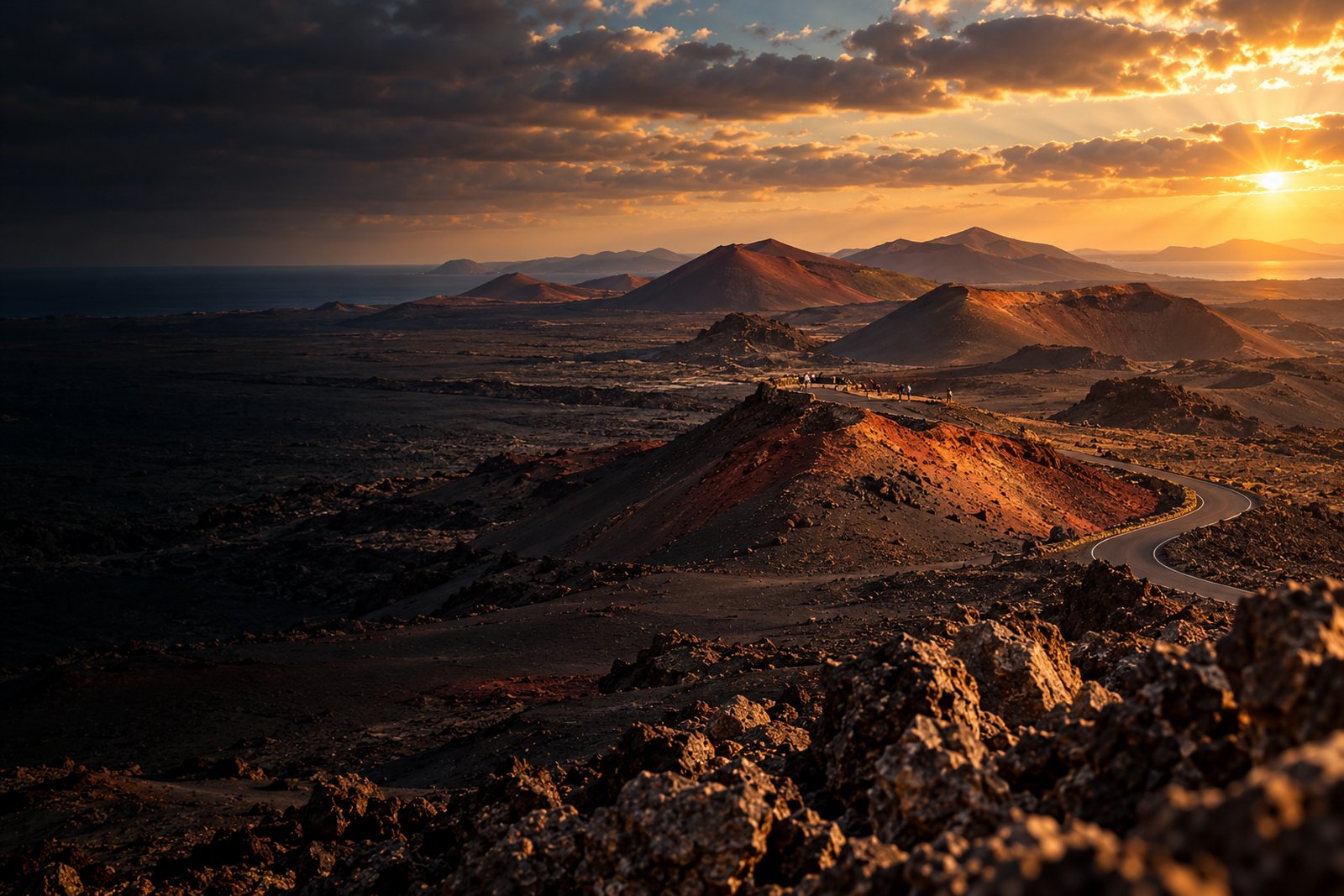
Everything you see inside the park is young. Between 1730 and 1736 more than a hundred volcanic cones rose out of the plain and the lava covered about a quarter of the island, burying villages, churches and the most fertile fields of the south. Nobody rebuilt on top of it. What is left is a desert of black ash, red scoria and frozen rivers of stone that looks exactly the way it did three hundred years ago, when the fire finally stopped.
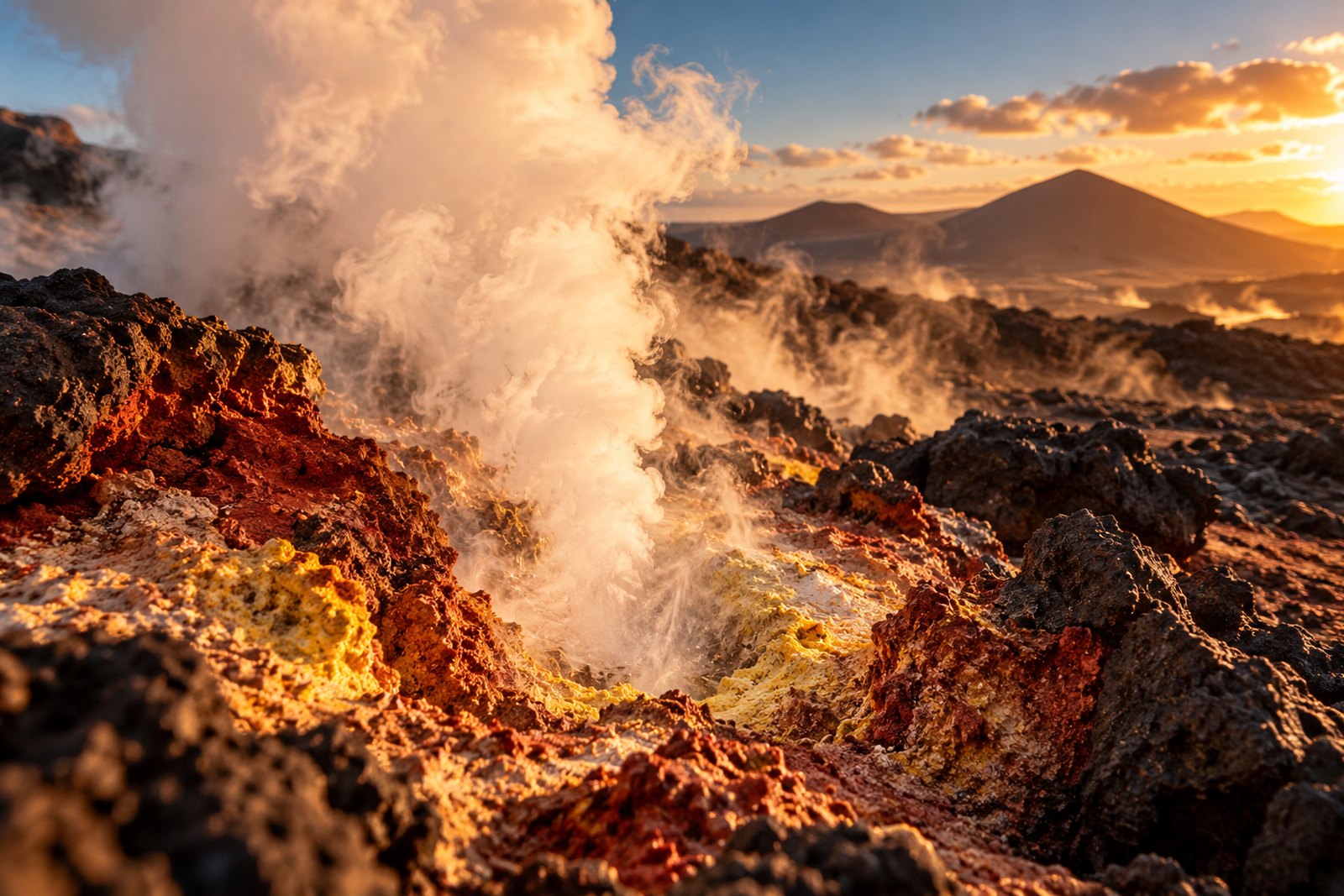
That rawness is what makes Timanfaya special. There are no forests to soften the view, no terraces, no colour except ochre, rust and black against a blue Atlantic sky. Photographers lose their minds here because the light repaints the landscape every hour. And under your feet nothing is dead at all: a few metres down the rock is still hot, and in the right places you can feel the island breathing.
The park covers about 51 square kilometres and it is one of the most protected areas in the Canary Islands. Cars cannot roam free, you cannot wander off alone into the lava and drones are out of the question. The rules are strict because the landscape is fragile: a footprint on a volcanic cone stays visible for decades, and nobody wants to be the person who left it there. The park is part of a UNESCO biosphere reserve, and the people who manage it walk a daily line between letting visitors in and keeping the lava fields exactly as the eruptions left them.
Do not let the word protected put you off, though. The visit is well organised and surprisingly fun: a coach ride through scenery that looks like Mars, live demonstrations of what is happening under your feet and a restaurant that cooks lunch with volcano heat. Half a day is enough to understand why Lanzarote looks the way it does, and why people keep coming back to stare at it.
The eruptions that built the fire mountains
In September 1730 the ground cracked open near Timanfaya and for six years lava poured out in waves. Old accounts describe rivers of fire running all the way to the sea, and whole settlements simply stopped existing: the parish of Tingafa disappeared under the flows and the best farmland of Yaiza turned to stone. The eruptions ended in 1736 but the land never went back. Farmers learned to grow vines in holes dug into the gravel instead, and that strange patient agriculture is what you see today in nearby La Geria.
Why access is so limited
Because nothing here recovers on a human timescale. Volcanic ash and cones are loose and delicate at the same time, and one careless shortcut can scar a slope for generations. The park authority keeps visitors on a handful of routes for exactly this reason. It also keeps the experience honest: you come, you watch, you learn, and the volcano keeps its secrets. Honestly, I think the strict access is what keeps Timanfaya worth the trip instead of turning it into a theme park.
The Visit: Routes, Geysers and the Islote de Hilario
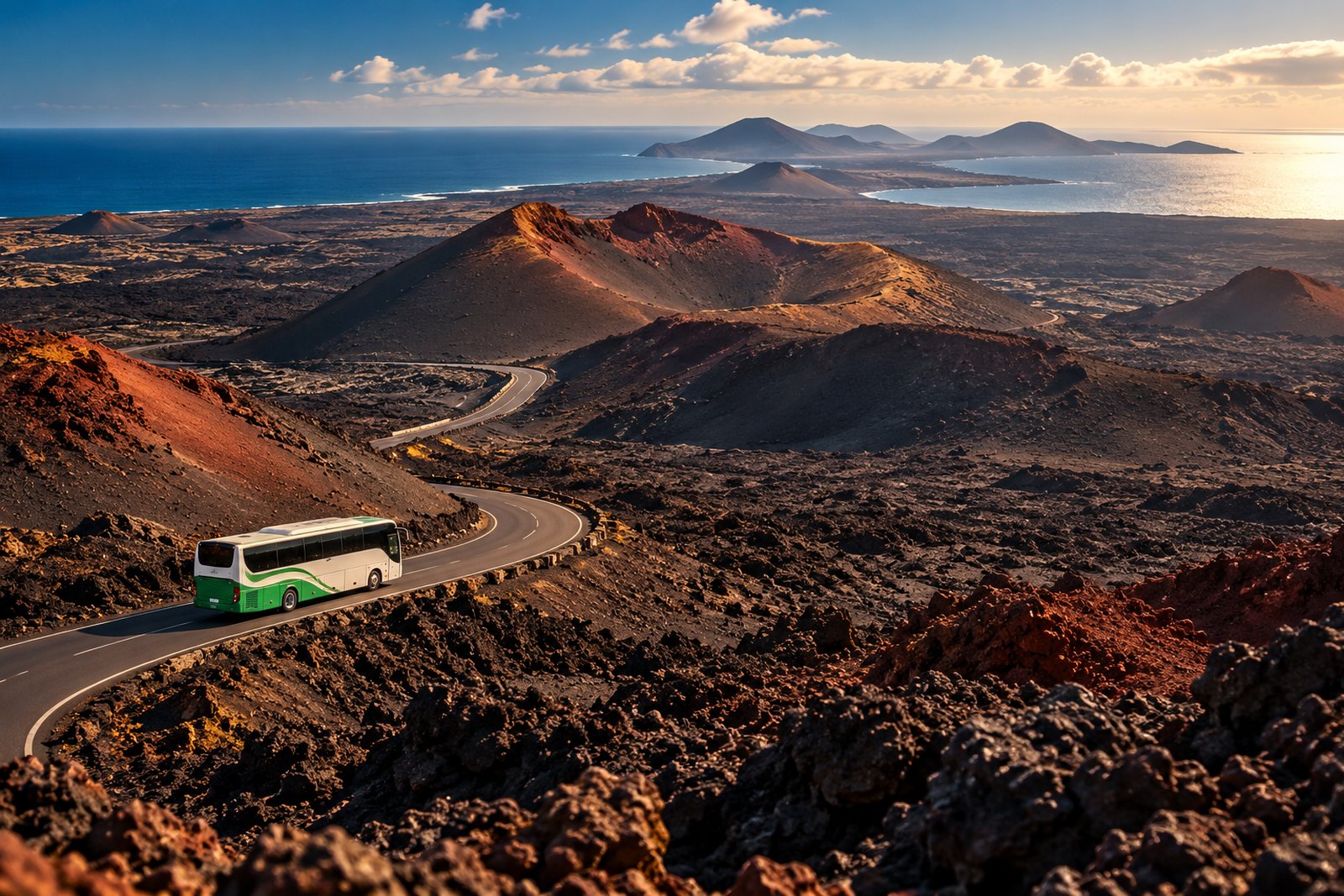
The visit starts at Islote de Hilario, a small volcanic hill right inside the park with a car park, a viewpoint and the famous restaurant. From here you join the Ruta de los Volcanes, the only way to see the interior: a 14-kilometre loop on a black road cut through the lava, done by the park's own coaches with commentary in several languages. The ride takes about 40 minutes and every minute of it is a photograph. The coaches are comfortable, the stops are well chosen and if you sit near the window you will not put the camera down for the whole loop.
The road passes craters you could fit a village inside, lava fields frozen mid-flow and ridges that look sculpted rather than natural. The drivers stop at the best viewpoints and the commentary tells you what happened where, which matters more than you think. Without the story it is just rocks. With it, you are standing in the middle of the biggest event in the island's history and the stones start talking.
Back at Islote de Hilario the ground shows off. Guides pile dry brush into a hole and it bursts into flames within seconds; water poured into a borehole comes back as a geyser of steam. A few metres down the temperature is high enough to cook, and every measurement surprises the people taking them. Nobody forgets the moment the smoke turns to fire, especially the kids.
Then there is the view from the terrace. On clear days you see the whole southern half of the island, from the black slopes in front of you to the Atlantic on both coasts. Stay for lunch if you can. Eating inside an extinct volcano, cooked by a live one, is not something you do twice a week, and the food is much better than any restaurant with a view has a right to be.
The Ruta de los Volcanes coach tour
The coach tour is the classic Timanfaya experience, and it is the only way to see the interior of the park: private cars are not allowed past Islote de Hilario. Coaches run back to back through opening hours, so you rarely wait long, and your park ticket includes both the ride and the commentary. Take a seat on the right side going out for the best crater views, keep the camera ready and keep your arms inside when the road narrows between the cones.
El Diablo: lunch cooked by a volcano
The circular glass restaurant at Islote de Hilario was designed by Cesar Manrique, the artist who shaped modern Lanzarote, and its grill runs on geothermal heat coming straight out of the ground. Meat and fish go onto a rack above a volcanic vent and come off with a flavour you simply cannot fake. It is a simple place with an enormous view. Book ahead in high season, order whatever is fresh and raise a glass of local white to the mountain that made your lunch.
How to Get There and When to Go
Timanfaya sits in the south-west of Lanzarote, roughly between Tinajo and Yaiza, and the access road is the LZ-67. From Puerto del Carmen it is about half an hour by car, from Playa Blanca a little more, and the drive is beautiful: vineyards, black plains and cones growing bigger as you approach. The last stretch climbs towards Islote de Hilario and the landscape turns properly lunar.
Opening hours are shorter than people expect and the park stops letting new visitors in well before sunset, so check the current times the night before. The busiest window is late morning, when the coaches from the resorts all arrive at once. Come early for quiet roads and soft light, or after two in the afternoon for warm colour and thinner crowds. Either way, book your entry online: it costs nothing extra and saves you the queue. If you come without a reservation in the high season you may be asked to wait for the next available slot, which is annoying when the fire mountains are fifty metres away.
Weather matters here more than anywhere else on the island. In summer the black rock radiates heat and there is no shade at all, so bring a hat, proper sunscreen and more water than you think you need. In winter the trade wind turns the viewpoints cold and the road occasionally closes in storms. Layers, closed shoes and a windproof jacket cover every season, and a light scarf saves the day when the dust gets up.
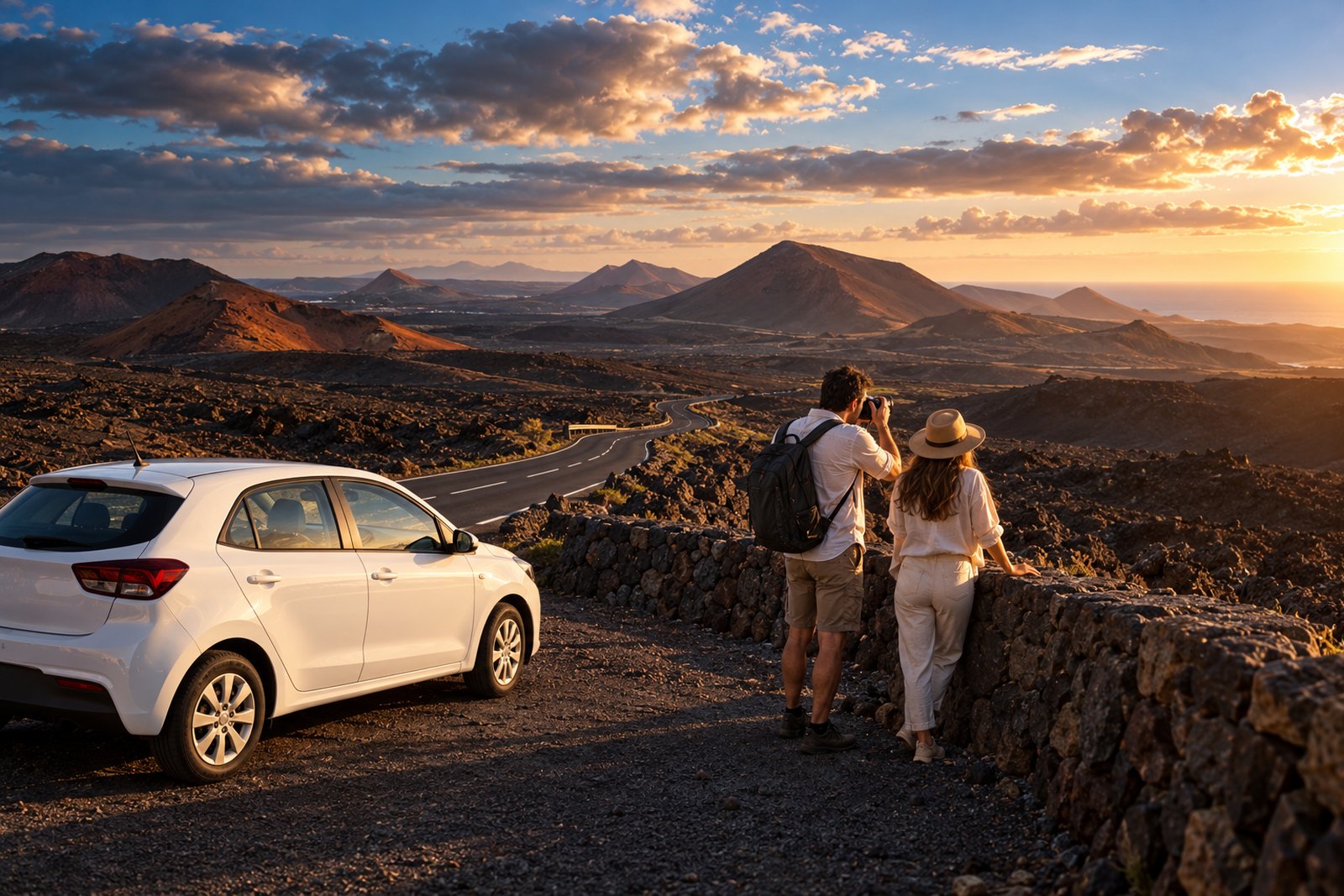
You can visit with your own car or with an organised tour, and both work well. A car hire in Lanzarote gives you the freedom to combine the park with La Geria and the coast in one loop, while the excursions in Lanzarote take care of timing, tickets and driving. If you are travelling with family or a group, the tour version usually wins on stress.
From Puerto del Carmen and the south
Puerto del Carmen is the most common base and the drive is straightforward: inland on the LZ-2, then the LZ-30 towards Tinajo and finally the LZ-67 into the park. Fuel up before you go, because petrol stations get scarce near the cones. If you are staying in Playa Blanca or Puerto Calero, add twenty minutes and enjoy the road through Yaiza, which is the prettiest village on the island and the perfect place for a coffee stop on the way back.
Timing your visit to beat the queues
The rhythm of the park is set by the coaches. Right after opening and just after lunchtime you can walk almost straight onto a coach; between ten and one you will queue. A morning visit also leaves the afternoon free for the camel rides or the wine country, which makes a much better day than three hours in a line. Two to three hours inside the park is plenty for everything, including lunch and the photos you will actually keep.
What to Do Around Timanfaya
The park is the heart of a much bigger volcanic story. The same eruptions created the Malpais de la Arena, the black coast around Tinajo and strange wind-sculpted stones north of the road. Drive slowly on the way out and stop wherever the view opens: every direction gives you a different version of the same dramatic event, and most of the best viewpoints are free, empty and completely silent. Take the small detour towards the coast on the way out and you will find lava tongues that reached the ocean, with black cliffs where the stone met the water and exploded into steam.
South of the park lies Yaiza, the whitest village on the island, kept immaculate by the people who refused to abandon it after the eruptions. From there the road drops to El Golfo and its green lagoon, and the coast continues to the salt pans of Janubio. If you only add one stop to your Timanfaya day, make it Yaiza with a detour down to the sea.
At the foot of the fire mountains you will find the Echadero de Camellos, where dromedaries carry visitors across the ash the way people crossed this land long before roads existed. The camel rides in Lanzarote here are short, gentle and unforgettable, and they fit perfectly between the park visit and lunch. Kids love them, cameras love them and the camels are very clearly in charge.
If you prefer to explore under your own power, the roads around the park are magnificent for cycling and the wind keeps you cool on the climbs. An e-bike turns the loop past the cones and La Geria into pure pleasure, and for groups who want more adrenaline there are buggy tours in Lanzarote on the volcanic tracks. Whatever you choose, the fire mountains are best met at your own pace.
Camel rides at the Echadero de Camellos
The camel station sits on the road to the park and has been there for generations, long before Timanfaya had a car park. Rides are short and run all day: you sit in a padded seat between two humps and sway across the black ground with the cones towering above you. Yes, it is touristy. It is also a genuinely old way of crossing this land, the animals are well treated, and the photos are the ones your friends will ask about first.
La Geria, Yaiza and the south-west loop
The perfect day pairs the fire with the wine. From the park, drop into La Geria where vines grow in half-moons of dry stone, stop at a bodega for a tasting and continue to Yaiza for a coffee in the main square. Then either the coast road to El Golfo or back to Puerto del Carmen for a swim before dinner. That loop takes a full day, and it shows you exactly why this island never lets go of the people who visit it.
You might also be interested in: Camel rides in Lanzarote · Buggy tours in Lanzarote · The best excursions in Lanzarote · Car hire in Lanzarote · Excursions & rentals in Yaiza · Volcano tours & rentals in Tinajo · Lanzarote for families · Lanzarote for couples
Every adventure with Zack follows the same promise: no stress, no surprises, just the right experience at the right moment. Before you even arrive, he is already thinking about the wind, the light, the perfect hour and the little details that turn a holiday into a story you will tell for years. Timanfaya National Park: How to Visit the Fire Mountains of Lanzarote is not just a booking: it is the beginning of your Lanzarote story.
How it works: from the first message to your best memory
1. Choose your adventure
Scroll through this page and feel what fits you: Timanfaya National Park: How to Visit the Fire Mountains of Lanzarote, or maybe something different? Every traveller is unique, and Zack knows it. Look at the photos, read the tips, and if you are not sure, that is the best moment to write: telling him who you are and what you love is enough, and he will build the perfect day around it.
2. Book in one message
No forms, no call centres: one WhatsApp message and you are in. Zack replies with availability, the honest price and the plan for the day, including what to bring and when to start. The more days or people, the better the price — and if your plans change, you are talking to a real person who adapts.
3. Live the experience
This is where Lanzarote shows off. The island unfolds in colours you did not expect: black lava, red volcanoes, turquoise water and light that makes everything look like a film. With Timanfaya National Park: How to Visit the Fire Mountains of Lanzarote you enjoy it your way, with a local team watching over every detail so that your only job is to have the time of your life.
4. Back home, happy
The tan fades, the memories do not. You go home with a phone full of photos, a heart full of stories and that feeling of having discovered a place rather than just visited it. Friends will ask for your itinerary: that is when you know you chose the right adventures.
5. Tell the world
If Zack and his team made your holiday special, the best thank you is a review on Google Maps: sixty seconds that help other travellers find the same magic, and make a local team very proud. Share your story, your photos and your tips — and become part of the Zack Lanzarote family.
Frequently asked questions
Can I visit Timanfaya without a tour?
Yes and no. You can drive up to Islote de Hilario on your own, watch the demonstrations and eat at El Diablo, but the only way into the interior of the park is the Ruta de los Volcanes, run by the park's own coaches with the ticket included. There are also limited guided walks that must be booked in advance through the park authority.
How long does a visit to Timanfaya take?
Plan two to three hours. The coach tour takes about 40 minutes, the demonstrations are short and lunch takes as long as you let it. If you add camel rides and La Geria, the whole day fills up nicely. The park is small, but the memories it leaves are not.
Is Timanfaya good for children?
Very. The coach ride feels like another planet and the fire demonstrations leave kids wide-eyed. Bring water, hats and snacks because there is no shade anywhere, and mind the wind on the viewpoints. Camel rides are the perfect bribe after the visit. Strollers are fine around Islote de Hilario but not on the guided walks.
How do I book bikes, cars or tours in Lanzarote?
Message me on WhatsApp at +34 603 27 93 06 or come to Zack Bike Lanzarote, Calle Roque Nublo 10 in Puerto del Carmen. Kids' bikes are €10 per day, city and trekking bikes €15, mountain bikes €20 and e-bikes €30, and the price drops the longer you keep the bike. Cars, tours and other services on request.
You may also like
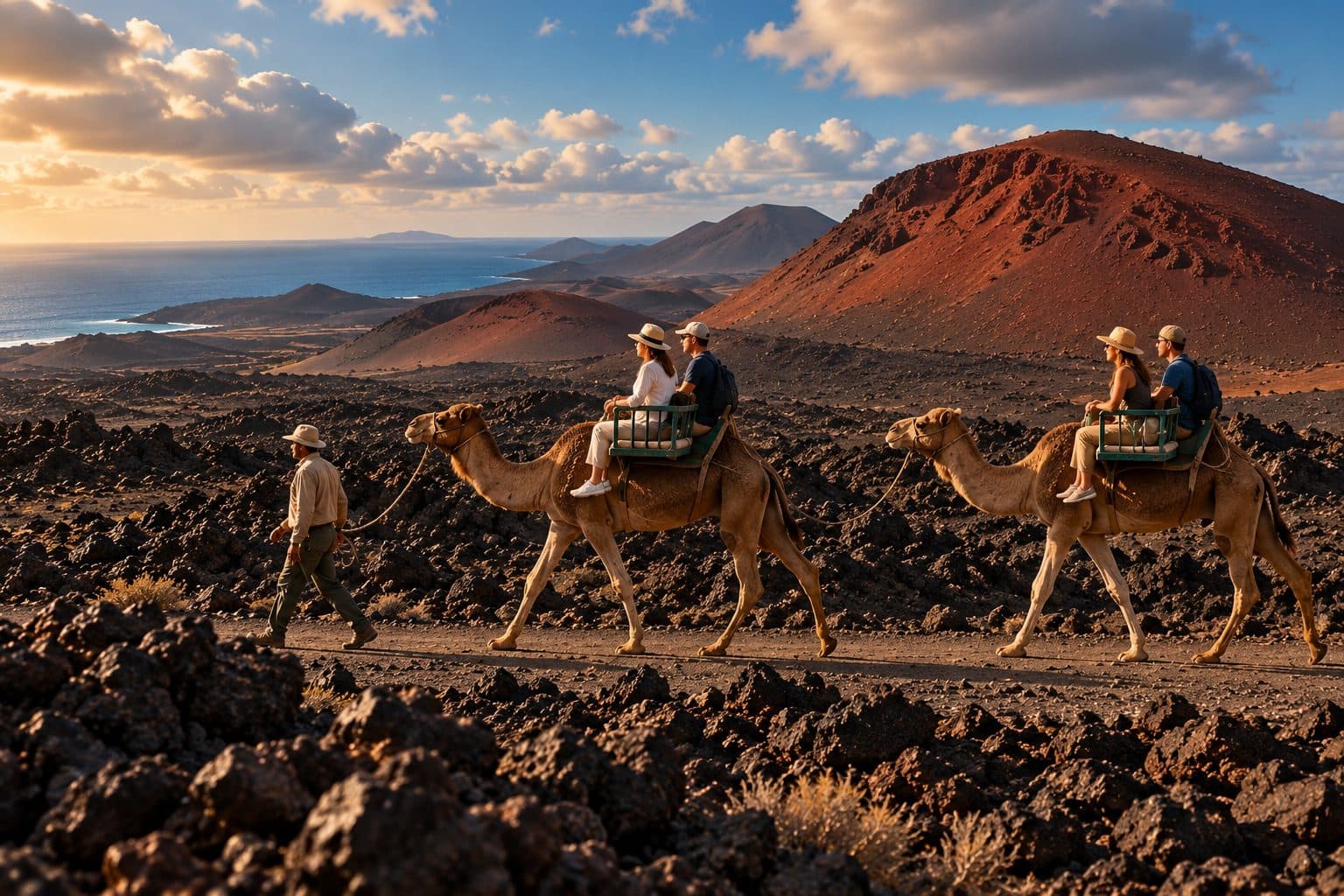
Camel rides in Lanzarote
Discover more →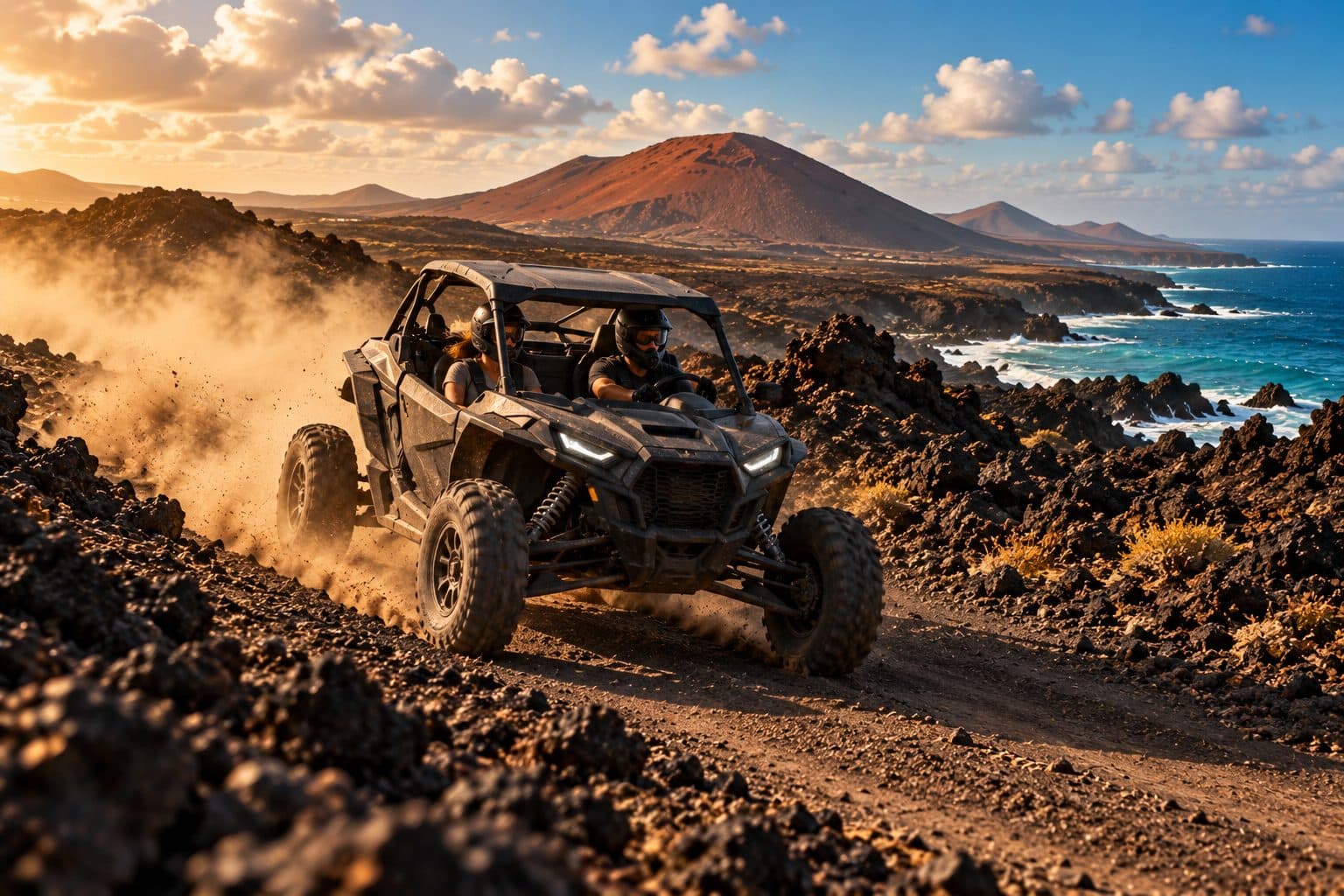
Buggy tours in Lanzarote
Discover more →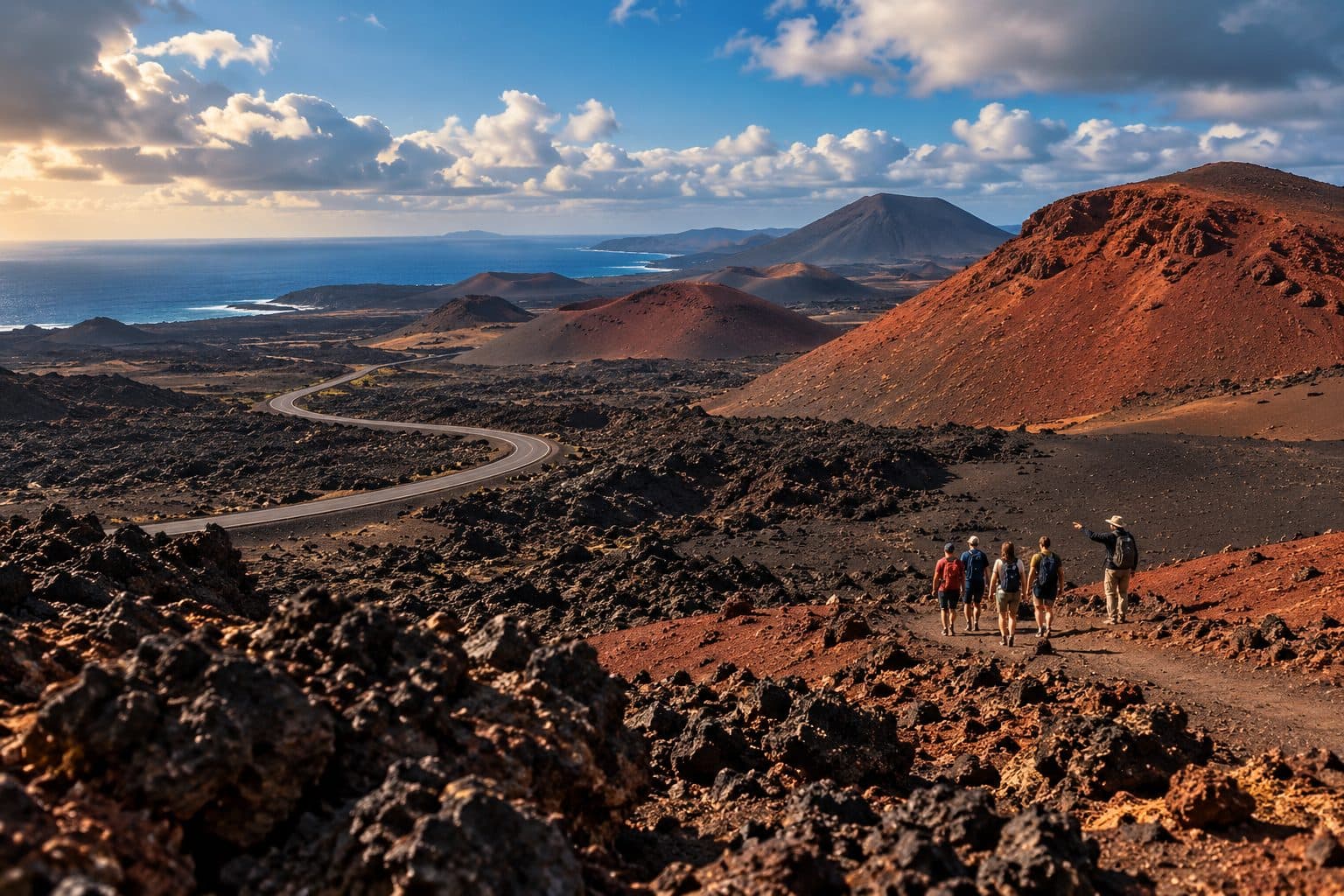
The best excursions in Lanzarote
Discover more →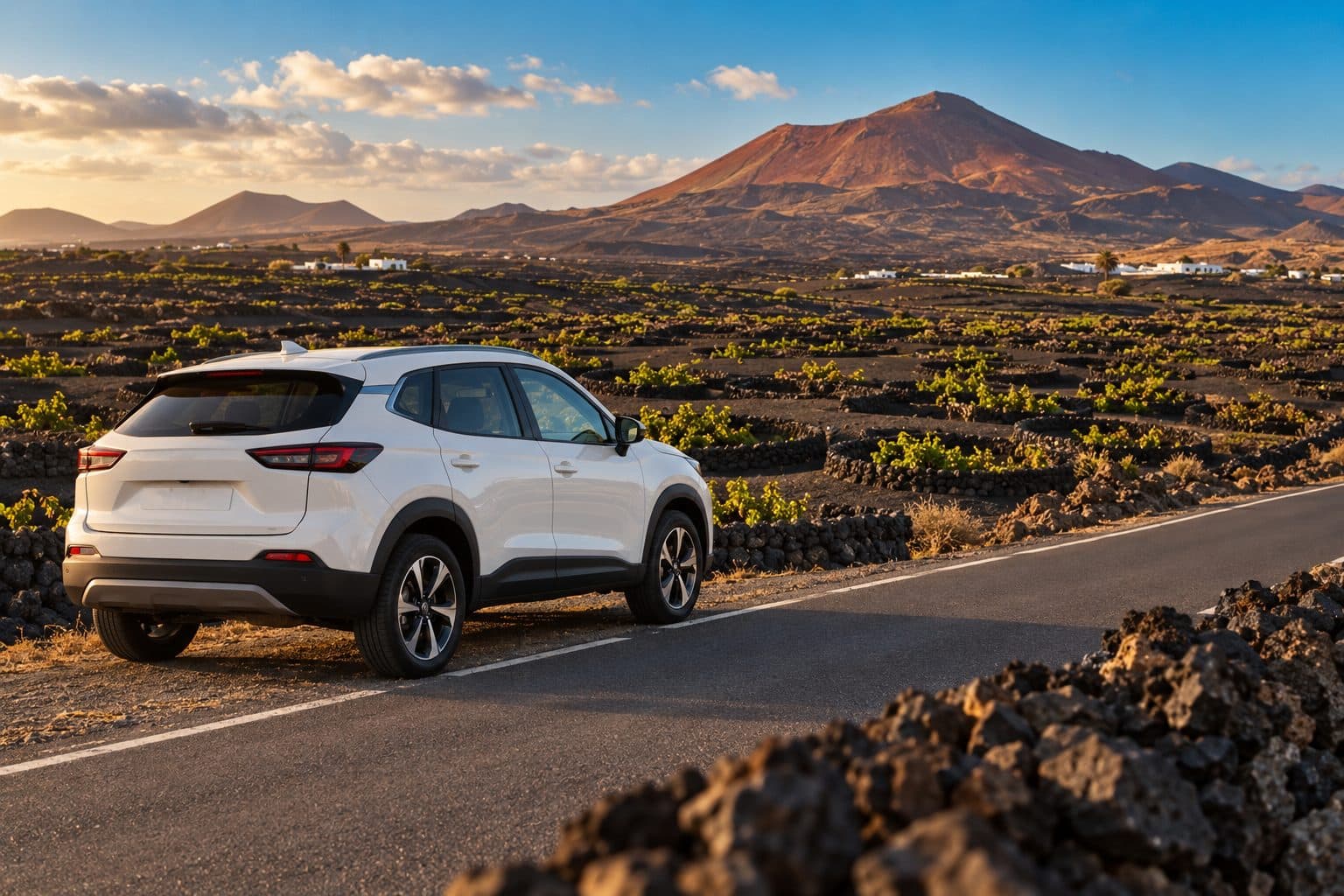
Car hire in Lanzarote
Discover more →Punta Mujeres: The Fishing Village of Natural Pools
Discover more →San Ginés Festival: Arrecife's Biggest Summer Party
Discover more →Lanzarote Food Guide: Eating Like a Local on a Volcanic Island
Discover more →Puerto del Rosario City Guide: The Real Capital of Fuerteventura
Discover more →Costa Teguise City Guide: Beaches, Wind and the Pueblo Marinero
Discover more →Playa Blanca City Guide: Lanzarote's Sunny Southern Harbour
Discover more →Yaiza and El Golfo: Lanzarote's Green Lagoon and Prettiest Village
Discover more →Puerto del Carmen Neighbourhoods: Centro, Los Pocillos and Matagorda
Discover more →Day Trip from Lanzarote to Corralejo, Fuerteventura
Discover more →Las Palmas de Gran Canaria and the Canary Islands Region
Discover more →Famara and Caleta de Famara: the Wild Side of Lanzarote
Discover more →Arrecife City Guide: the Capital of Lanzarote Beyond the Guidebooks
Discover more →Lanzarote in Autumn: Weather, Beaches and the Best Things to Do
Discover more →Teguise City Guide: the Old Capital and the Sunday Market
Discover more →La Graciosa: How to Visit the Eighth Canary Island
Discover more →Haría and the North of Lanzarote: Valleys, Cliffs and Palm Groves
Discover more →Tinajo and the Volcanic North of Lanzarote
Discover more →Lanzarote in Winter: Weather, Festivals and the Best Things to Do
Discover more →San Bartolomé City Guide: The Agricultural Heart of Lanzarote
Discover more →Lanzarote in Spring: Weather, Beaches and the Best Things to Do
Discover more →Órzola and the Far North: the Fishing Village at the End of the Road
Discover more →Lanzarote in Summer: Long Days, Warm Sea and the Island at Its Best
Discover more →Puerto Calero City Guide: The Marina and the Quiet Side of Lanzarote
Discover more →Maspalomas City Guide: The Dunes and the Sunny South of Gran Canaria
Discover more →Christmas and New Year in Lanzarote: Winter Sun, Fiestas and Local Traditions
Discover more →Betancuria and the Heart of Fuerteventura: the White Town in the Green Valley
Discover more →La Geria and the Volcanic Vineyards of Lanzarote
Discover more →Ironman Lanzarote 2027: the Race, the Route and Race Week
Discover more →Timanfaya National Park: How to Visit the Fire Mountains of Lanzarote
Discover more →The César Manrique Route: The Man Who Built Modern Lanzarote
Discover more →Hiking in Lanzarote: The Best Walks on a Volcanic Island
Discover more →Papagayo Beaches: The Wild Southern Coves of Lanzarote
Discover more →Sea Safety in Lanzarote: How to Read the Water Like a Local
Discover more →Lanzarote Markets: The Complete Weekly Market Guide
Discover more →Carnival in Lanzarote: The Wildest Week on the Island
Discover more →Easter in Lanzarote: Semana Santa and Spring on the Island
Discover more →Day Trip to Jandía and Morro Jable from Lanzarote
Discover more →Romería de los Dolores: Lanzarote's Biggest Pilgrimage
Discover more →El Cotillo and the Wild North-West Coast of Fuerteventura
Discover more →Stargazing in Lanzarote: Dark Skies Over the Volcanoes
Discover more →La Santa: the Surf Village on Lanzarote's Wild West Coast
Discover more →Playa Honda and Matagorda: The Quiet Coast Next to the Airport
Discover more →Fiestas del Carmen: Lanzarote Honours the Sea
Discover more →Tías and the Inland Villages of Southern Lanzarote
Discover more →Guatiza and the Cactus Garden: The Green Jewel of Lanzarote
Discover more →Isla de Lobos: Day Trip to the Secret Island near Lanzarote
Discover more →Timanfaya National Park: How to Visit the Fire Mountains of Lanzarote: related services and areas of Lanzarote
🔗 Services in Lanzarote
📍 Areas and towns of Lanzarote

Meet Zack — your adventurous guide in Lanzarote
Founder · adventurer at heart
Elegant on the outside, adventurer at heart. Zack is the one who shows up with a big smile and the perfect plan for your day. Fun, easy-going and always ready for one more adventure, he knows every corner of Lanzarote — and he tailors every experience to your needs. Tell him who you are travelling with and what you love: he takes care of the rest, with the best advice and a joke ready to go.
Your adventure starts with a smile. — Zack
Come and visit us at the shop!
You'll find Zack Bike Lanzarote in Puerto del Carmen — pass by for a coffee, honest advice and the right plan for your days on the island.
🏠 Calle Roque Nublo 10, Puerto del Carmen, Lanzarote, Spain