
La Geria and the Volcanic Vineyards of Lanzarote
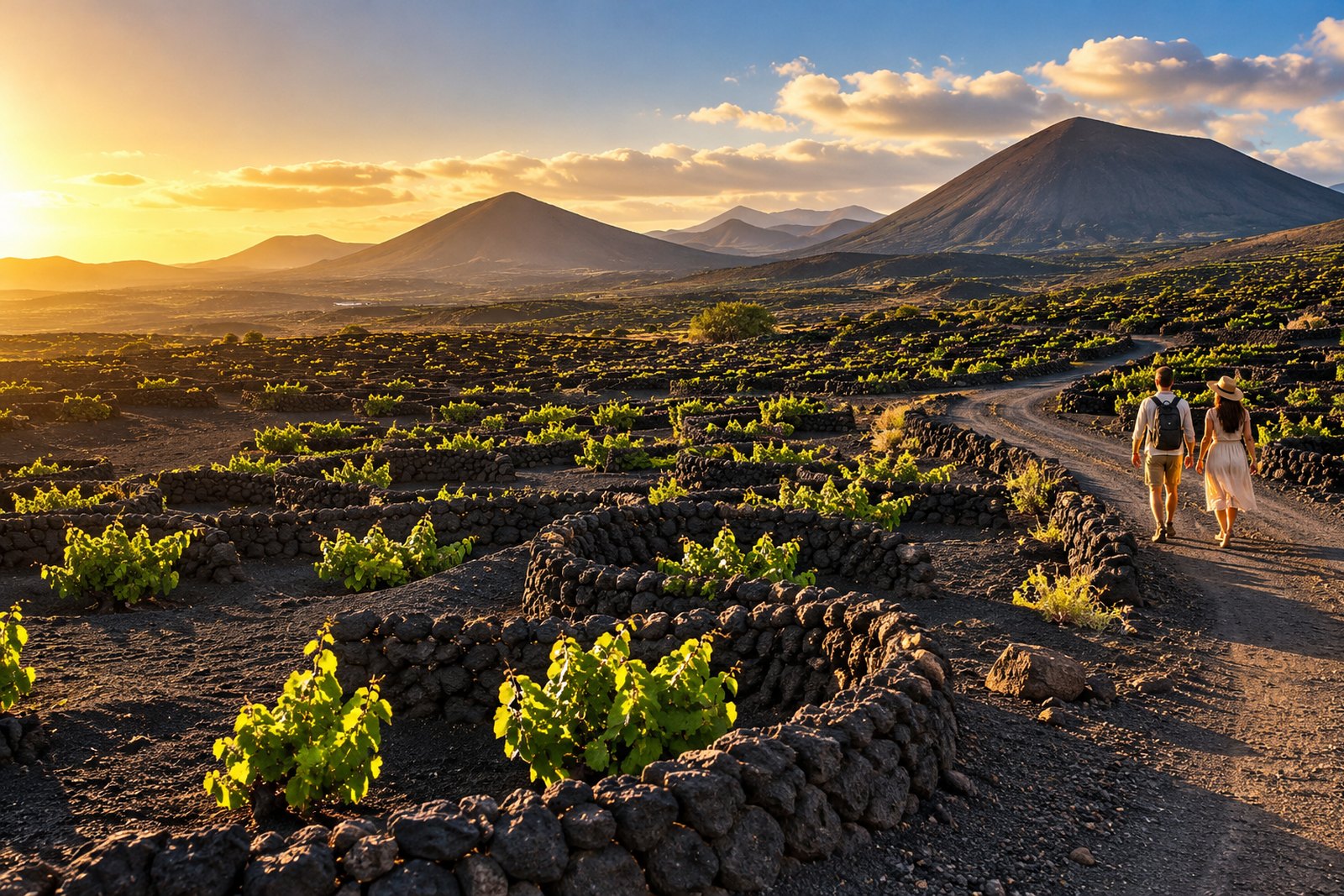
If Lanzarote has one landscape that makes people stop the car in silence, this is it. La Geria is a whole valley of black ash, dotted with thousands of green vines, each one growing in its own hand-dug crater behind a small crescent wall. It is farming as land art, born from the worst volcanic disaster in the island's history. Come with me: I will show you how it works, where to taste and how to see it properly.
⚡ Quick summary before you plan your days in Lanzarote
- What to know firstIf Lanzarote has one landscape that makes people stop the car in silence, this is it.
- Who it is forBetween 1730 and 1736 the volcanoes of Timanfaya erupted for six long years and buried the most fertile farmland on Lanzarote under metres of black ash.
- Main optionsWhy La Geria looks like nowhere else · The wine route: bodegas and tastings · Beyond the glass: exploring La Geria · Planning your day in La Geria
- Duration, prices and detailsIs La Geria worth visiting if I do not drink wine? Absolutely. The landscape alone is worth the drive: green vines in black ash behind thousands of hand-built stone walls, with volcanoes on the horizon. It is one of the most photographed…
- How to bookBook on WhatsApp · +34 603 27 93 06


📷 Gallery
🧭 Zack's 3-click Lanzarote experience planner
💬 Send my plan to Zack on WhatsApp
Because a tour should feel like travelling with a friend: Zack designs the route around your rhythm, your curiosity and your camera roll — and changes it whenever you wish.
Why La Geria looks like nowhere else
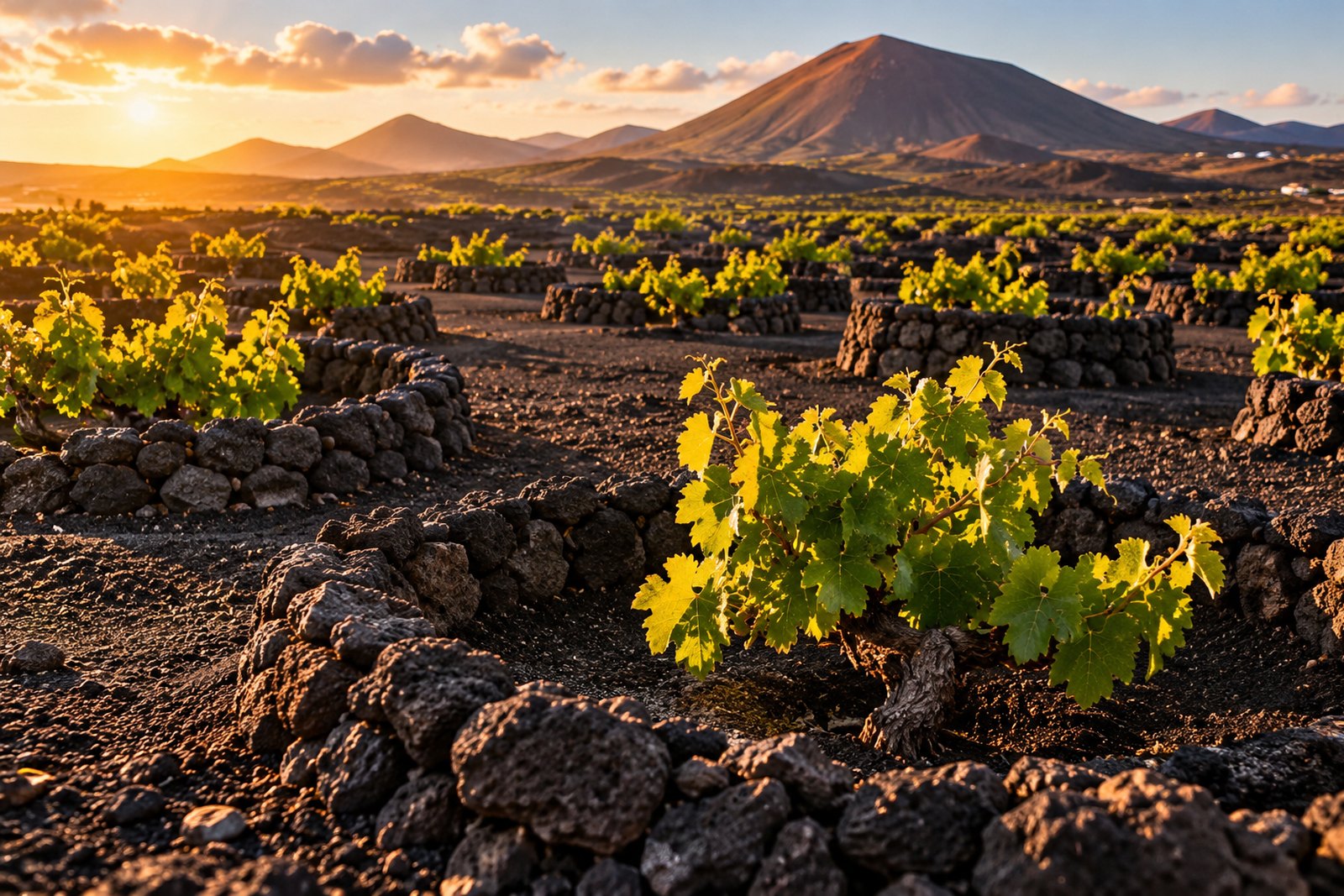
Between 1730 and 1736 the volcanoes of Timanfaya erupted for six long years and buried the most fertile farmland on Lanzarote under metres of black ash. When the eruptions finally stopped, the farmers came back to fields that no longer existed. What they did next is one of the great survival stories of the Atlantic: instead of leaving, they discovered that the ash, called picón, keeps the moisture of the night air and protects the soil from evaporation. So they started digging through it, one vine at a time.
The result is the La Geria you drive through today: a protected landscape of black gravel and green vines that looks more like a lunar garden than a farm. Nothing here is accidental. Every crater, every wall and every row is the answer to a question the islanders asked themselves three centuries ago: how do you grow something in stone? Once you know the story, you never look at these fields the same way again.
What surprises most people is the silence. The black picón swallows sound, so once you step away from the road you hear little more than the wind and the occasional bird. This is one of the few places on earth where a natural disaster turned into an agricultural advantage, and where the landscape that survived it is now protected by law. Nothing may be built here and every wall is kept by hand, exactly as it was three hundred years ago. Come in the late afternoon, when the shadows stretch out from every wall and the whole valley looks like a drawing.
A vineyard planted in volcanic ash
Each vine grows in a hole, a geria, dug about a metre deep through the black lapilli until the planter reaches the soft, fertile soil underneath. The ash works like a mulch: it traps the humidity that rolls in from the Atlantic at night and keeps the roots cool through the long dry summer. There is no irrigation here at all. The vines survive on fog, dew and stubbornness, and the grapes they give are small, intense and worth every drop of sweat.
The little walls that fight the wind
Beside every single vine stands a semicircular wall of hand-stacked lava stone, the zoco. Its job is simple: to break the trade winds that sweep across the island from the north-east every afternoon, sandblasting anything that grows above knee height. Hundreds of thousands of these little walls fill the valley, built one stone at a time. They are the reason La Geria is green, and the reason photographs taken here never look quite real.
The grape that made Lanzarote famous
The star of the valley is the Malvasía Volcánica, a grape that has found its perfect home in this black ground. The wines made from it are dry, aromatic and mineral, with a salty edge you only get from vines within sight of the ocean. Red Listán and a handful of local varieties share the fields. This is not mass production: yields are tiny, harvest is done by hand, and every bottle carries the fingerprints of the person who dug the hole.
The wine route: bodegas and tastings
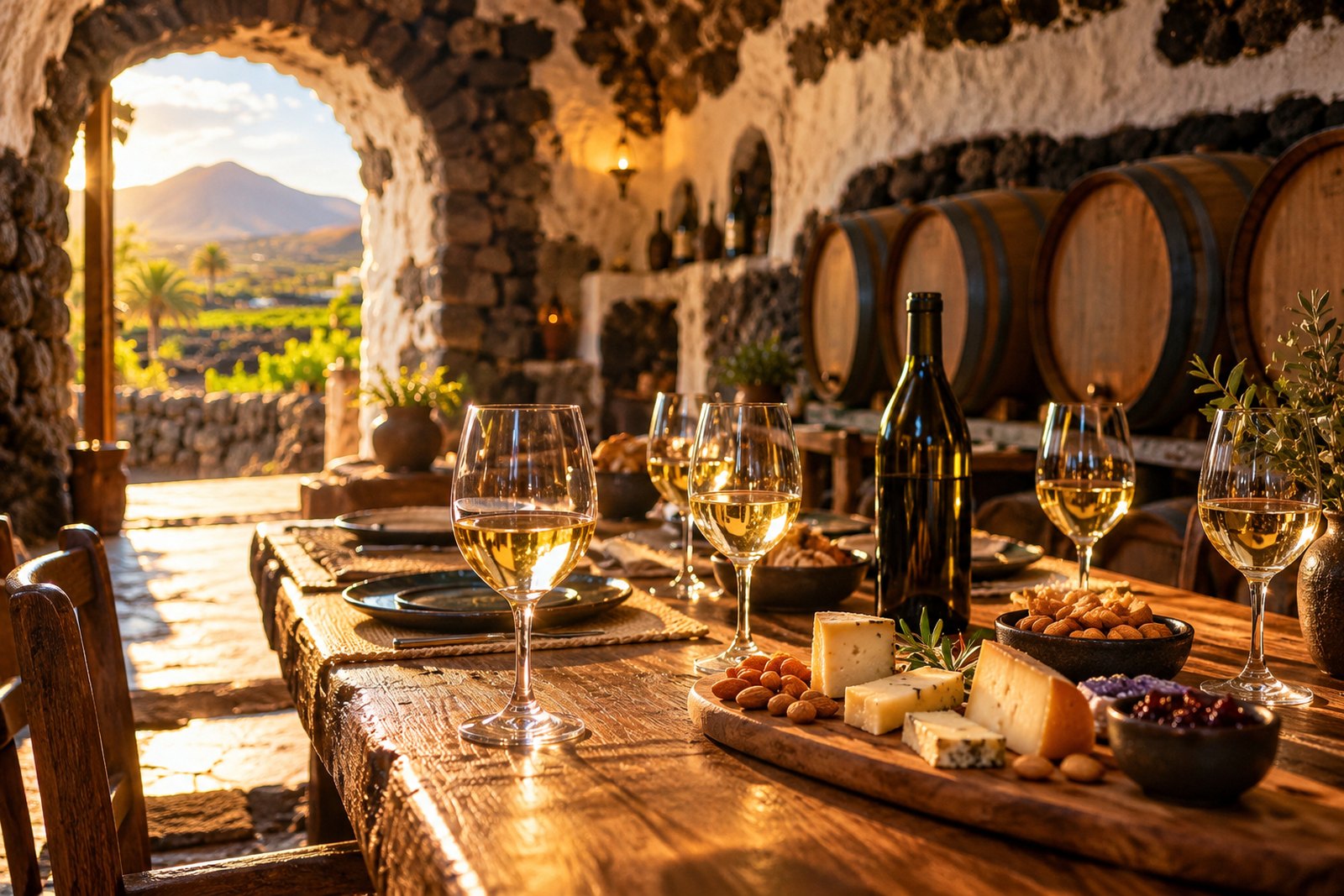
A wine route here is not a motorway with billboards. It is a slow drive along the road that crosses the valley between Uga and Masdache, stopping wherever a sign promises a tasting. Most bodegas are family affairs carved into the ash or built from black stone, and almost all of them welcome visitors. Some pour a quick glass at the counter, others walk you through barrel rooms and old presses, and the best ones sit you down with local cheese, almogrote and a view of the volcanoes.
My advice is always the same: choose two, maybe three bodegas, and give them time. Tasting at speed is just drinking. Book ahead in high season and at weekends, because the small places have limited space and the tasting is the reason many people come at all. If you would rather not think about the driving, let me organise a wine tour with someone else at the wheel, so everyone in the group gets to taste properly.
What a bodega visit looks like
You park on black gravel, walk into a cool room that smells of oak and stone, and someone from the family explains why the vines look so strange. Then you taste: usually a couple of whites from Malvasía Volcánica, sometimes a red or a sweet wine, always with something local to eat alongside. It is relaxed, personal and rarely expensive. Nothing is rushed, nobody gives you a lecture, and questions are very welcome.
El Grifo and the family cellars
The oldest name in the valley is El Grifo, a winery founded in 1775 and one of the oldest in all of Spain, with a small museum of old presses and machinery behind the tasting room. Around it are the smaller family bodegas that make this place special: ones where the winemaker is the person who pours, and where the story of the last harvest is still fresh. Mix one famous name with one small one. That is the perfect wine day.
How to taste like a local
Taste the whites first and take your time, because volcanic Malvasía changes as it warms up in the glass. Look for the mineral, almost smoky note, and the salty finish that pairs so well with fresh island fish. Nobody here expects expert vocabulary: a smile and a real question works far better. Buy the bottle you liked most, carry it to the coast and drink it with the sunset. That is the Lanzarote method.
Wine, cheese and the perfect picnic
Half the pleasure of La Geria is what ends up beside the glass. The island's goats give excellent cheese, from soft and mild to the grainy, salty kind that locals crumble over bread with green mojo sauce. Add some wrinkled potatoes, a handful of almonds and a bottle you chose yourself, and you have the best picnic on Lanzarote. Ask at the bodega: many sell what they produce, and some will put a whole basket together for you.
Beyond the glass: exploring La Geria
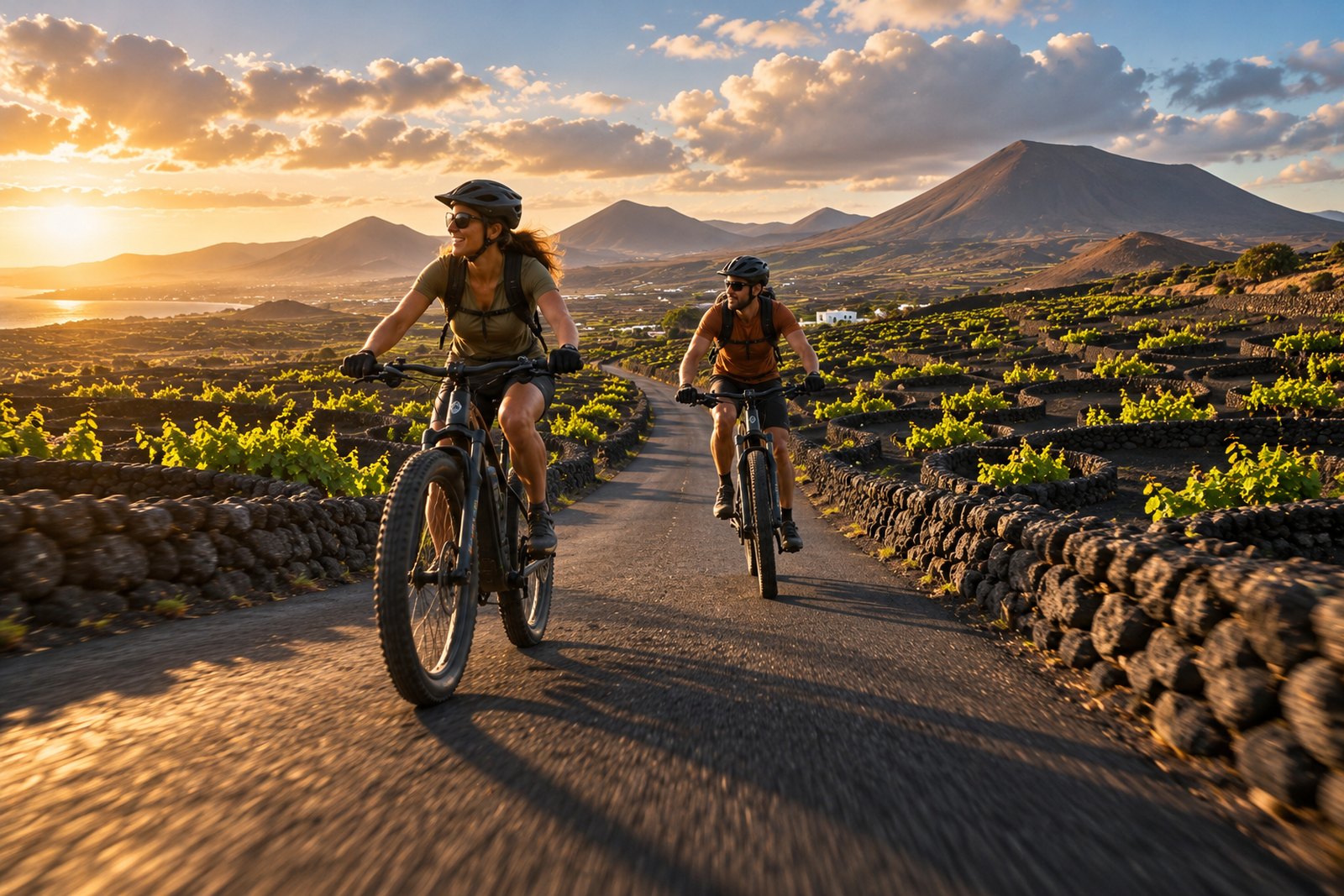
La Geria is beautiful through a car window, but it is unforgettable on two wheels. The roads crossing the valley are quiet, gently rolling and lined with nothing but vines and volcanoes, which makes them some of the most enjoyable cycling on the island. Early morning is magic: the light is low, the wind is still asleep and the black ground is cool under the tyres. Bring water, because there are no shops between the bodegas, and remember that the afternoon belongs to the trade wind.
This is also a landscape for slow walking and serious photography. Dirt tracks run between the vineyards towards the cones on the horizon, and every turn gives you another frame: green vine, black wall, blue sky. Go quietly and you will see kestrels hunting over the ash and the occasional hare. Stay on the tracks, never touch the vines or the walls, and treat this valley like what it is: somebody's workplace and somebody's heritage.
One more thing about the wind, because it catches people out. The trade wind arrives almost every afternoon and can be strong enough to push a cyclist sideways, so plan the riding for the morning and the wine for later. The same goes for the sun: the black ground radiates heat and there is almost no shade anywhere. Start early, drink more water than you think you need and leave the afternoon to the bodegas. That is the island rhythm, and it works perfectly.
Cycling through the vineyards
An electric bike turns the valley into an easy half-day loop from Puerto del Carmen, while a road bike makes it a proper training ride with almost no traffic. The trick is to start early, stop often and keep something warm in your bag for the descent. Renting is simple: my shop fits every rider with the right bike, helmet and route notes, and an electric bike hire makes the hills disappear entirely.
Walking, viewpoints and volcanoes
Tracks and paths cross the protected landscape, from short vineyard strolls to longer routes climbing towards the volcanic ridges at the edge of Timanfaya country. The light does the rest: at sunrise the cones glow pink, at midday the contrast between ash and vine is brutal, and at sunset the whole valley turns bronze. For the big views, follow the track that rises towards the western side of the valley, where the photographers set up their tripods.
Slow mornings and photo stops
The best photographs happen before the first tour minibus, which means before ten in the morning. Park the car, walk twenty metres into the fields and wait for the light. Keep the sky in the frame and let the stone walls lead the eye. If you are travelling with children, this is the easiest landscape on the island to turn into a game: count the walls, spot the lizards, find the greenest vine. Nobody gets bored here.
Planning your day in La Geria
La Geria sits right in the middle of the island's best day. West of here rise Timanfaya and the fire mountains; south lies Yaiza and the road to the Papagayo beaches; east is Uga and the way back to the coast. Most of my guests drive through the valley on their way somewhere else and end up staying two hours longer than planned. That is exactly what this place does to people. Give it half a day of its own and you will not regret it.
Getting here takes about fifteen minutes by car from Puerto del Carmen and even less from Playa Honda or Matagorda. The road is easy and well signed, and you do not need a four-wheel drive: the vineyards are crossed by ordinary roads and well-kept tracks. Parking near the bodegas is free and informal. What you do need is time, a full water bottle and a plan for getting the bottles home without them rolling around the boot.
Getting there and getting around
From the southern resorts, follow the signs towards Timanfaya and you drive straight into the valley. Buses run along the main road, but they will not stop where you want them to, and the distances between the best bodegas are too long to walk in the heat. A car hire gives you freedom, a bike gives you the landscape, and the two together give you the best day of the holiday.
When to come and what to bring
Any season works, but the valley is at its most dramatic after the winter rains, when the vines turn a startling green against the black ash, and in September during the harvest, when the bodegas are busy and full of life. Bring sunscreen, water, shoes with grip if you plan to walk, and a jacket in the winter months. And leave space in the suitcase: the bottles you buy here have a habit of coming home with you.
Exploring La Geria with Zack
Everything about this day is easy to arrange, and I do it every week. A car so you follow your own schedule, an e-bike for the quiet roads between the vines, a guided wine tour with the driving done for you, and the local knowledge that keeps you away from the crowds. My shop, Zack Bike Lanzarote in Calle Roque Nublo 10 in Puerto del Carmen, rents kids bikes at 10€ per day, city and trekking bikes at 15€, mountain bikes at 20€ and electric bikes at 30€, with better rates the longer you keep them. Other prices on request. Send me a message on WhatsApp at +34 603 27 93 06, or start with my page about rentals and tours in La Geria, and I will build the route around the kind of day you love.
What to combine it with
La Geria pairs beautifully with the rest of the volcanic south. Timanfaya and its fire mountains are a short drive further west, the white village of Yaiza sits at the entrance to the valley, and the beaches of Papagayo are less than half an hour away. Many of my guests do the volcanoes in the morning, the vineyards at lunchtime and the sea before dinner. It is the kind of day that makes you want to stay another week.
You might also be interested in: Wine tours in Lanzarote · Electric bike hire in Lanzarote · Car hire in Lanzarote · The best excursions in Lanzarote · Wine tours in La Geria · Excursions & rentals in Yaiza · Lanzarote for families · Lanzarote for couples
Every adventure with Zack follows the same promise: no stress, no surprises, just the right experience at the right moment. Before you even arrive, he is already thinking about the wind, the light, the perfect hour and the little details that turn a holiday into a story you will tell for years. La Geria and the Volcanic Vineyards of Lanzarote is not just a booking: it is the beginning of your Lanzarote story.
How it works: from the first message to your best memory
1. Choose your adventure
Scroll through this page and feel what fits you: La Geria and the Volcanic Vineyards of Lanzarote, or maybe something different? Every traveller is unique, and Zack knows it. Look at the photos, read the tips, and if you are not sure, that is the best moment to write: telling him who you are and what you love is enough, and he will build the perfect day around it.
2. Book in one message
No forms, no call centres: one WhatsApp message and you are in. Zack replies with availability, the honest price and the plan for the day, including what to bring and when to start. The more days or people, the better the price — and if your plans change, you are talking to a real person who adapts.
3. Live the experience
This is where Lanzarote shows off. The island unfolds in colours you did not expect: black lava, red volcanoes, turquoise water and light that makes everything look like a film. With La Geria and the Volcanic Vineyards of Lanzarote you enjoy it your way, with a local team watching over every detail so that your only job is to have the time of your life.
4. Back home, happy
The tan fades, the memories do not. You go home with a phone full of photos, a heart full of stories and that feeling of having discovered a place rather than just visited it. Friends will ask for your itinerary: that is when you know you chose the right adventures.
5. Tell the world
If Zack and his team made your holiday special, the best thank you is a review on Google Maps: sixty seconds that help other travellers find the same magic, and make a local team very proud. Share your story, your photos and your tips — and become part of the Zack Lanzarote family.
Frequently asked questions
Is La Geria worth visiting if I do not drink wine?
Absolutely. The landscape alone is worth the drive: green vines in black ash behind thousands of hand-built stone walls, with volcanoes on the horizon. It is one of the most photographed places on Lanzarote, and the bodegas welcome non-drinkers with juice, water and views.
How far is La Geria from Puerto del Carmen?
About fifteen minutes by car, and even less from Playa Honda and Matagorda. The road is simple and well signed towards Timanfaya. You can visit the valley in a morning or combine it with a full day in the volcanoes and the south.
Can I visit the bodegas without booking?
Often yes, especially on quiet weekdays: many family bodegas simply welcome whoever turns up. At weekends and in high season I strongly recommend booking the tasting in advance, because the small cellars have limited space and fill up quickly.
What wine is La Geria famous for?
The Malvasía Volcánica, a dry, aromatic white grown in the volcanic ash, with a mineral and slightly salty character. Local reds from Listán and a few sweet wines complete the picture. Tasting them where they are grown is a completely different experience.
You may also like
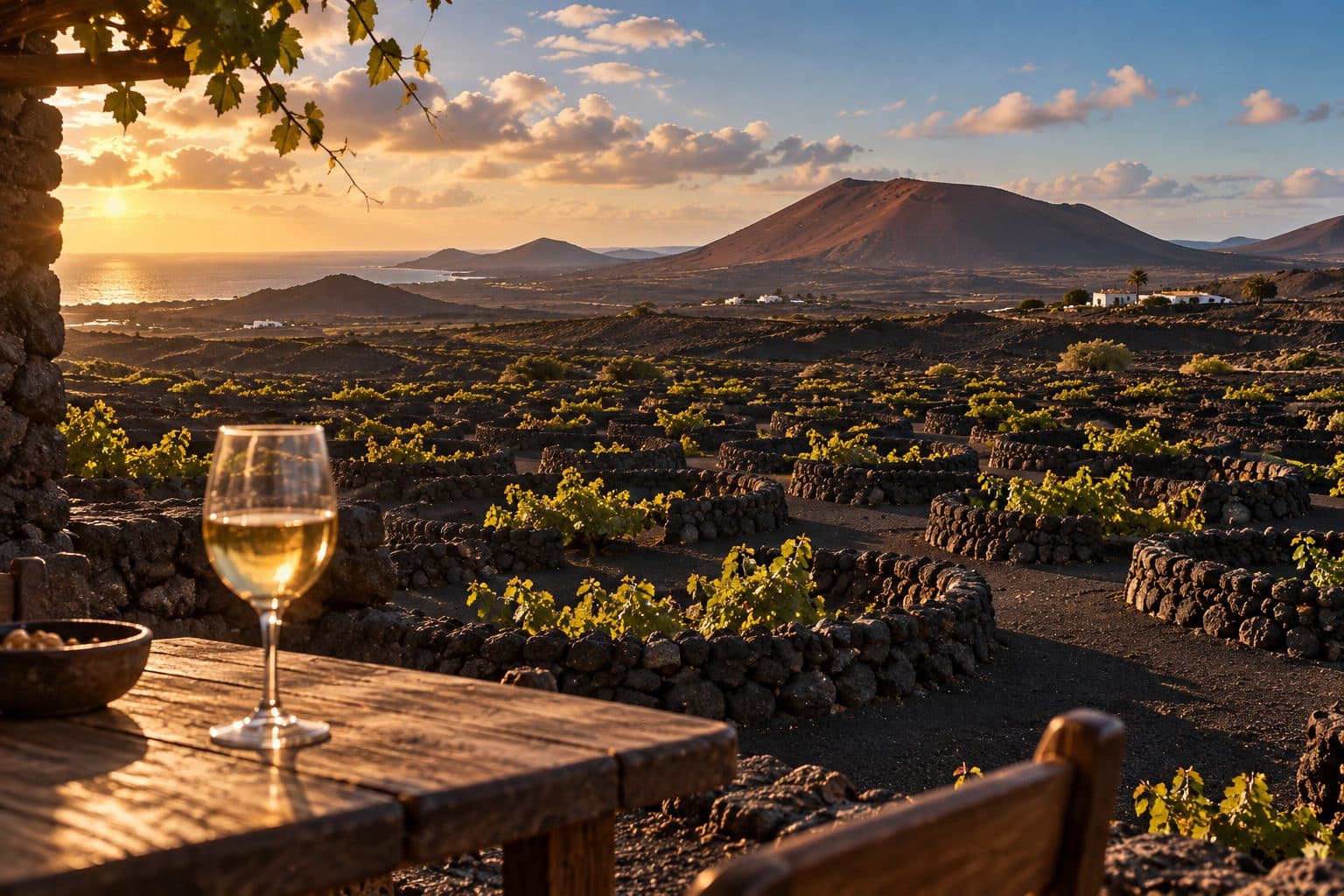
Wine tours in Lanzarote
Discover more →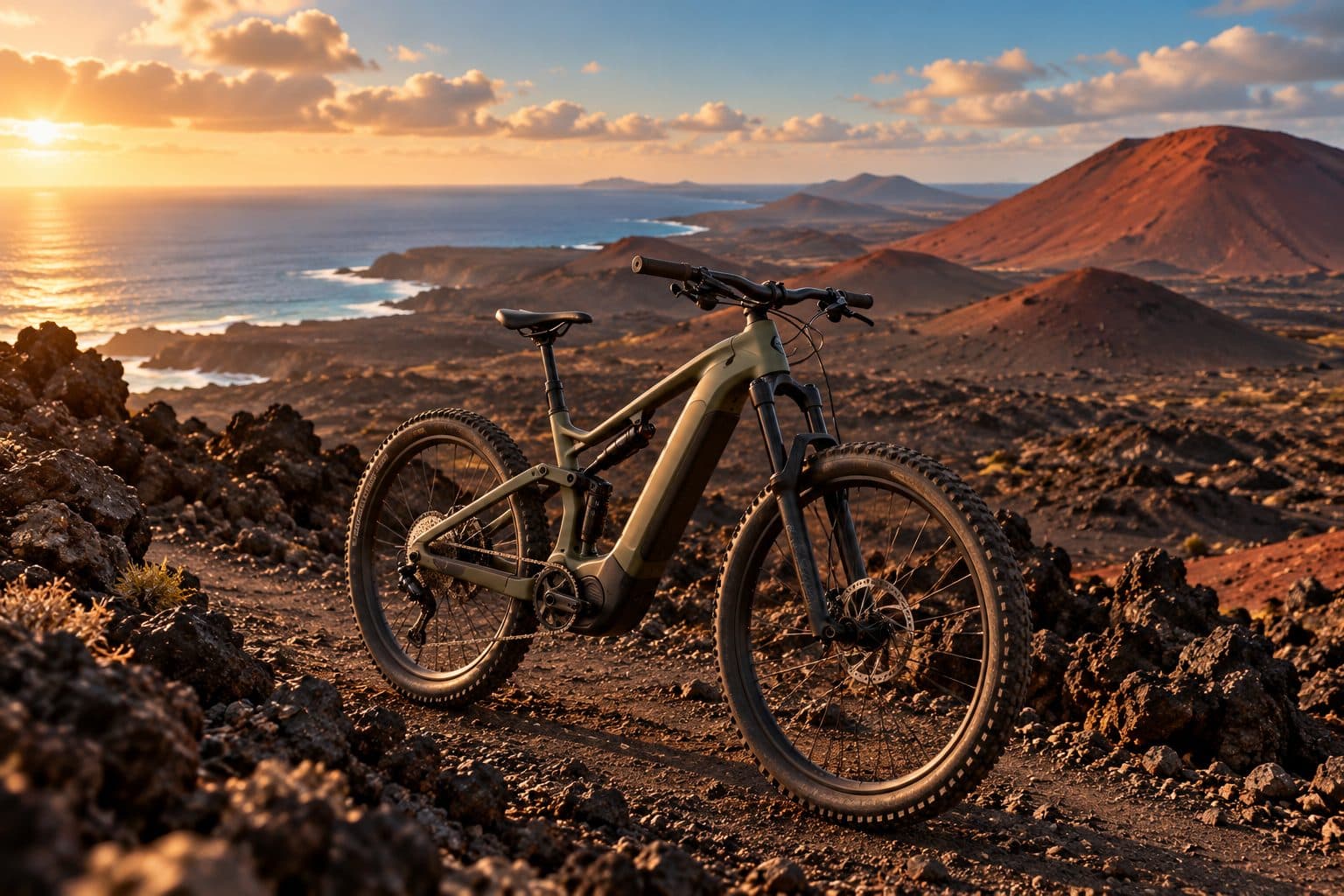
Electric bike hire in Lanzarote
Discover more →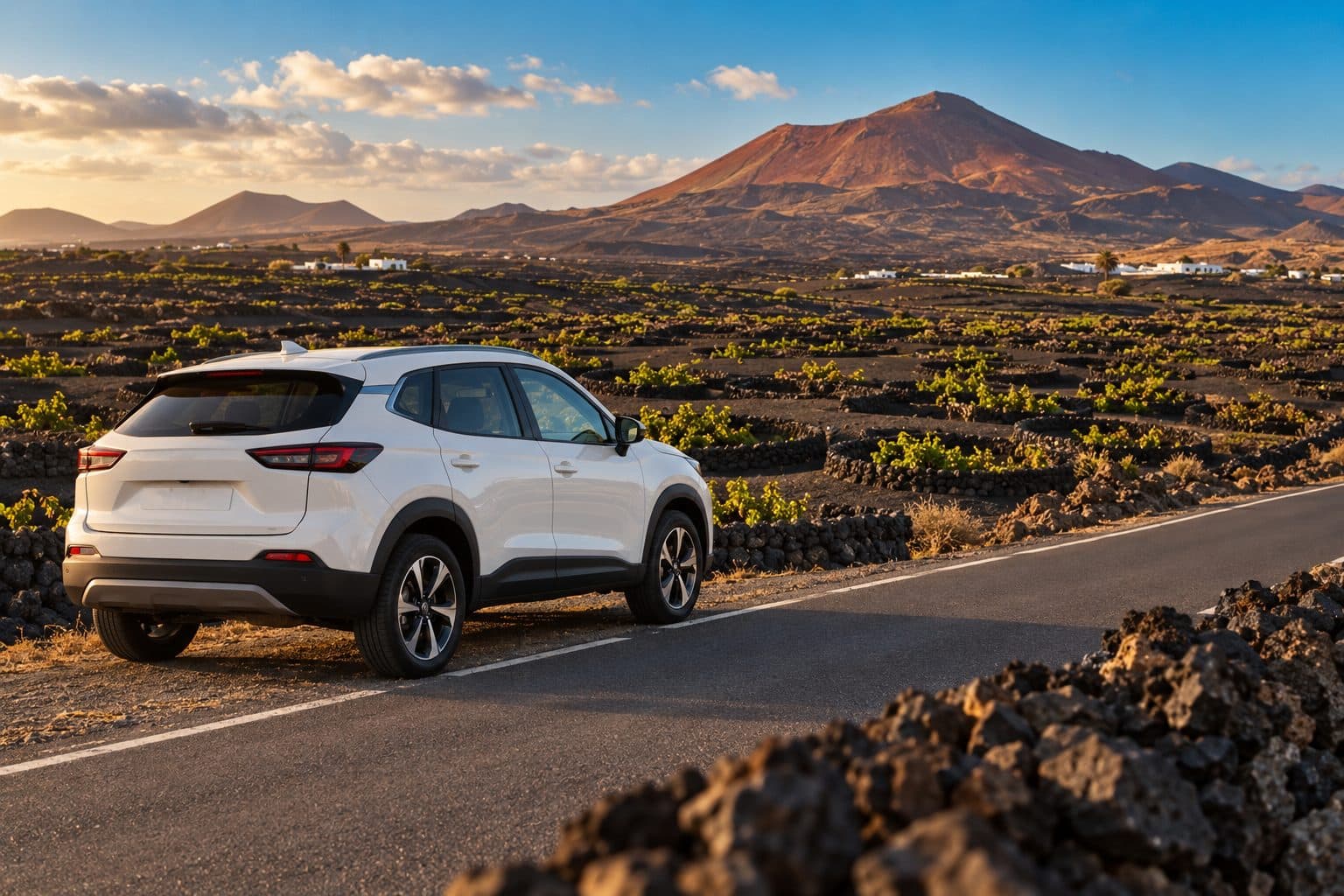
Car hire in Lanzarote
Discover more →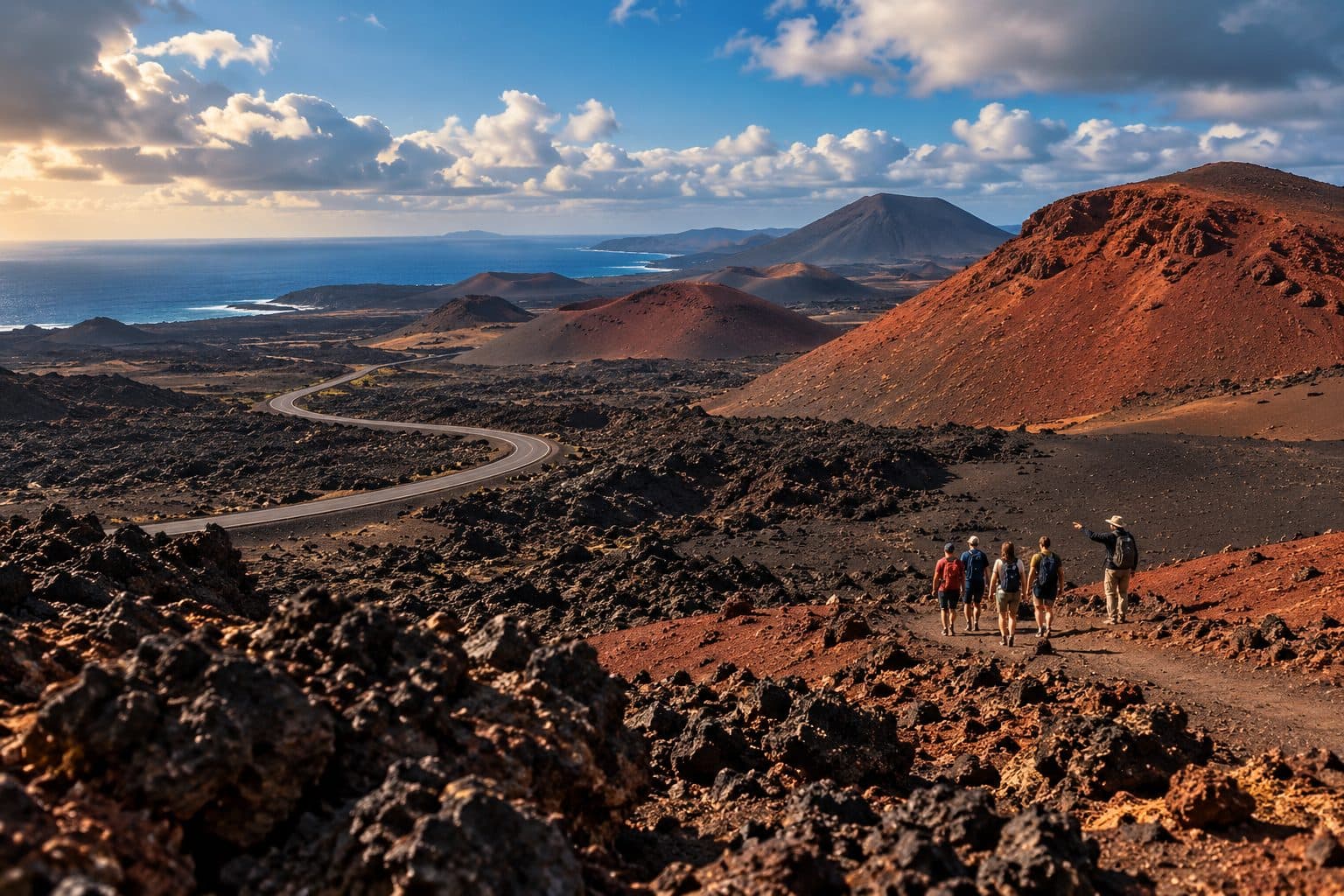
The best excursions in Lanzarote
Discover more →Punta Mujeres: The Fishing Village of Natural Pools
Discover more →San Ginés Festival: Arrecife's Biggest Summer Party
Discover more →Lanzarote Food Guide: Eating Like a Local on a Volcanic Island
Discover more →Puerto del Rosario City Guide: The Real Capital of Fuerteventura
Discover more →Costa Teguise City Guide: Beaches, Wind and the Pueblo Marinero
Discover more →Playa Blanca City Guide: Lanzarote's Sunny Southern Harbour
Discover more →Yaiza and El Golfo: Lanzarote's Green Lagoon and Prettiest Village
Discover more →Puerto del Carmen Neighbourhoods: Centro, Los Pocillos and Matagorda
Discover more →Day Trip from Lanzarote to Corralejo, Fuerteventura
Discover more →Las Palmas de Gran Canaria and the Canary Islands Region
Discover more →Famara and Caleta de Famara: the Wild Side of Lanzarote
Discover more →Arrecife City Guide: the Capital of Lanzarote Beyond the Guidebooks
Discover more →Lanzarote in Autumn: Weather, Beaches and the Best Things to Do
Discover more →Teguise City Guide: the Old Capital and the Sunday Market
Discover more →La Graciosa: How to Visit the Eighth Canary Island
Discover more →Haría and the North of Lanzarote: Valleys, Cliffs and Palm Groves
Discover more →Tinajo and the Volcanic North of Lanzarote
Discover more →Lanzarote in Winter: Weather, Festivals and the Best Things to Do
Discover more →San Bartolomé City Guide: The Agricultural Heart of Lanzarote
Discover more →Lanzarote in Spring: Weather, Beaches and the Best Things to Do
Discover more →Órzola and the Far North: the Fishing Village at the End of the Road
Discover more →Lanzarote in Summer: Long Days, Warm Sea and the Island at Its Best
Discover more →Puerto Calero City Guide: The Marina and the Quiet Side of Lanzarote
Discover more →Maspalomas City Guide: The Dunes and the Sunny South of Gran Canaria
Discover more →Christmas and New Year in Lanzarote: Winter Sun, Fiestas and Local Traditions
Discover more →Betancuria and the Heart of Fuerteventura: the White Town in the Green Valley
Discover more →La Geria and the Volcanic Vineyards of Lanzarote
Discover more →Ironman Lanzarote 2027: the Race, the Route and Race Week
Discover more →Timanfaya National Park: How to Visit the Fire Mountains of Lanzarote
Discover more →The César Manrique Route: The Man Who Built Modern Lanzarote
Discover more →Hiking in Lanzarote: The Best Walks on a Volcanic Island
Discover more →Papagayo Beaches: The Wild Southern Coves of Lanzarote
Discover more →Sea Safety in Lanzarote: How to Read the Water Like a Local
Discover more →Lanzarote Markets: The Complete Weekly Market Guide
Discover more →Carnival in Lanzarote: The Wildest Week on the Island
Discover more →Easter in Lanzarote: Semana Santa and Spring on the Island
Discover more →Day Trip to Jandía and Morro Jable from Lanzarote
Discover more →Romería de los Dolores: Lanzarote's Biggest Pilgrimage
Discover more →El Cotillo and the Wild North-West Coast of Fuerteventura
Discover more →Stargazing in Lanzarote: Dark Skies Over the Volcanoes
Discover more →La Santa: the Surf Village on Lanzarote's Wild West Coast
Discover more →Playa Honda and Matagorda: The Quiet Coast Next to the Airport
Discover more →Fiestas del Carmen: Lanzarote Honours the Sea
Discover more →Tías and the Inland Villages of Southern Lanzarote
Discover more →Guatiza and the Cactus Garden: The Green Jewel of Lanzarote
Discover more →Isla de Lobos: Day Trip to the Secret Island near Lanzarote
Discover more →La Geria and the Volcanic Vineyards of Lanzarote: related services and areas of Lanzarote
🔗 Services in Lanzarote
📍 Areas and towns of Lanzarote

Meet Zack — your adventurous guide in Lanzarote
Founder · adventurer at heart
Elegant on the outside, adventurer at heart. Zack is the one who shows up with a big smile and the perfect plan for your day. Fun, easy-going and always ready for one more adventure, he knows every corner of Lanzarote — and he tailors every experience to your needs. Tell him who you are travelling with and what you love: he takes care of the rest, with the best advice and a joke ready to go.
Your adventure starts with a smile. — Zack
Come and visit us at the shop!
You'll find Zack Bike Lanzarote in Puerto del Carmen — pass by for a coffee, honest advice and the right plan for your days on the island.
🏠 Calle Roque Nublo 10, Puerto del Carmen, Lanzarote, Spain