
Sea Safety in Lanzarote: How to Read the Water Like a Local
The sea around Lanzarote is the reason most people come: that impossible blue, the surf, the boats bobbing in the bays, the feeling of standing at the edge of the Atlantic. It is also a real ocean with real moods, and the difference between a perfect swim and a bad memory is usually knowledge, not luck. I have lived on this rock long enough to know exactly where the water purrs and where it bites. Here is everything I tell my friends before their first dip.
⚡ Quick summary before you plan your days in Lanzarote
- What to know firstThe sea around Lanzarote is the reason most people come: that impossible blue, the surf, the boats bobbing in the bays, the feeling of standing at the edge of the Atlantic.
- Who it is forLanzarote is a small island in a very big ocean.
- Main optionsWhy the Lanzarote Sea Plays by Its Own Rules · Reading the Water Before You Get In · Where the Sea Is Gentle and Where It Is Not · Boats, Water Sports and Smart Adventures
- Duration, prices and detailsIs the sea in Lanzarote safe for swimming? Yes, on the right beach at the right time of day. The sheltered bays of the south are calm and family friendly most mornings, while the open west coast deserves real respect. Read the flags, watch…
- How to bookBook on WhatsApp · +34 603 27 93 06


📷 Gallery
🧭 Zack's 3-click Lanzarote experience planner
💬 Send my plan to Zack on WhatsApp
Because a tour should feel like travelling with a friend: Zack designs the route around your rhythm, your curiosity and your camera roll — and changes it whenever you wish.
Why the Lanzarote Sea Plays by Its Own Rules
Lanzarote is a small island in a very big ocean. There is no mainland nearby to soften the swell, no river deltas, no shallow continental shelf: the bottom drops away fast and the waves that arrive here have usually travelled for days across open water before they touch our coast. That is exactly why the sea looks so alive, and exactly why it deserves a minute of your attention before you run into it.
The second player is the wind. The trade winds are the engine of this island: they blow from the north and the east for much of the year, they pick up as the sun climbs and they often ease again in the evening. Wind shapes everything here, from the surf on the west coast to the flat turquoise water in the sheltered bays of the south. Read the wind and you have already read most of the sea.
Water temperature is the third piece of the puzzle. The Atlantic around Lanzarote is mild by Atlantic standards and wonderfully swimmable in every season, but it is not a tropical bathtub. On a windy February morning it feels brisk, and even in August the deeper water can surprise you. A short wetsuit changes everything if you plan to spend hours in the water, and every serious dive centre on the island will tell you the same thing.
What surprises people most is how fast conditions change. A beach that is glassy at nine in the morning can have a proper shorebreak by lunchtime, simply because the wind arrived on schedule. This is not bad luck, it is the local rhythm. The locals swim early, eat late and let the afternoon wind do its thing. Once you adopt that rhythm, the island treats you very well indeed.
The Trade Winds, the Island's Engine
The alisios are the most reliable thing on Lanzarote: more reliable than the buses, certainly more reliable than my alarm clock. They funnel between the volcanoes and accelerate over the open coast, which is why one bay can be mirror-flat while the beach five hundred metres away is full of white water. When you pick your swimming spot, think about what stands between you and the wind. A headland, a harbour wall or a south-facing beach is worth more than any weather app.
An Ocean, Not a Pool
There are no ropes here, no tiled floor and no lifeguard whistle at the deep end. The bottom is volcanic rock, sand and slippery algae shelves, and depth can change dramatically in a couple of steps. Waves that look like friendly bumps from the car park can push you over in knee-deep water, and the famous Atlantic shorebreak has a talent for dumping people head-first. Enter where the water is calm, walk in slowly, and keep your eyes on the horizon line: it tells you what is coming before your feet do.
Reading the Water Before You Get In
The single best habit I can teach you takes five minutes. Before you put a toe in the water, stop and watch. Look at where the waves break, look for channels of darker water, notice which way the foam drifts and count the sets: how many waves arrive before a pause. The sea gives you all of this information for free, and a swimmer who reads it for five minutes swims ten times better than one who does not.
Colour is the second clue. Deep blue means depth, turquoise means sand and shallow water, dark patches under the surface are rock or seagrass. None of that is dangerous by itself, but it tells you where to put your feet and where not to dive. White water moving sideways along the beach is a sign of a current doing its job: it is not necessarily dangerous, but it is information you want before you commit.
The third clue is the simplest one: other people. If locals are swimming in one corner of the beach and tourists are spread everywhere else, there is a reason. Watch where people enter, where they get out and how much effort it takes them. On the wilder beaches I have seen visitors float happily out with the current and then discover that getting back is a completely different sport.
And then there is the honest answer to almost every sea question on this island: if you are not sure, do not go in deeper than your comfort. The ocean will still be there tomorrow, and nobody has ever regretted a cautious swimmer. When in doubt, ask a lifeguard, ask the beach bar, or message me on WhatsApp before you drive across the island: I would much rather tell you which beach is having a calm day than read about a rescue.
Flags, Signs and What They Really Mean
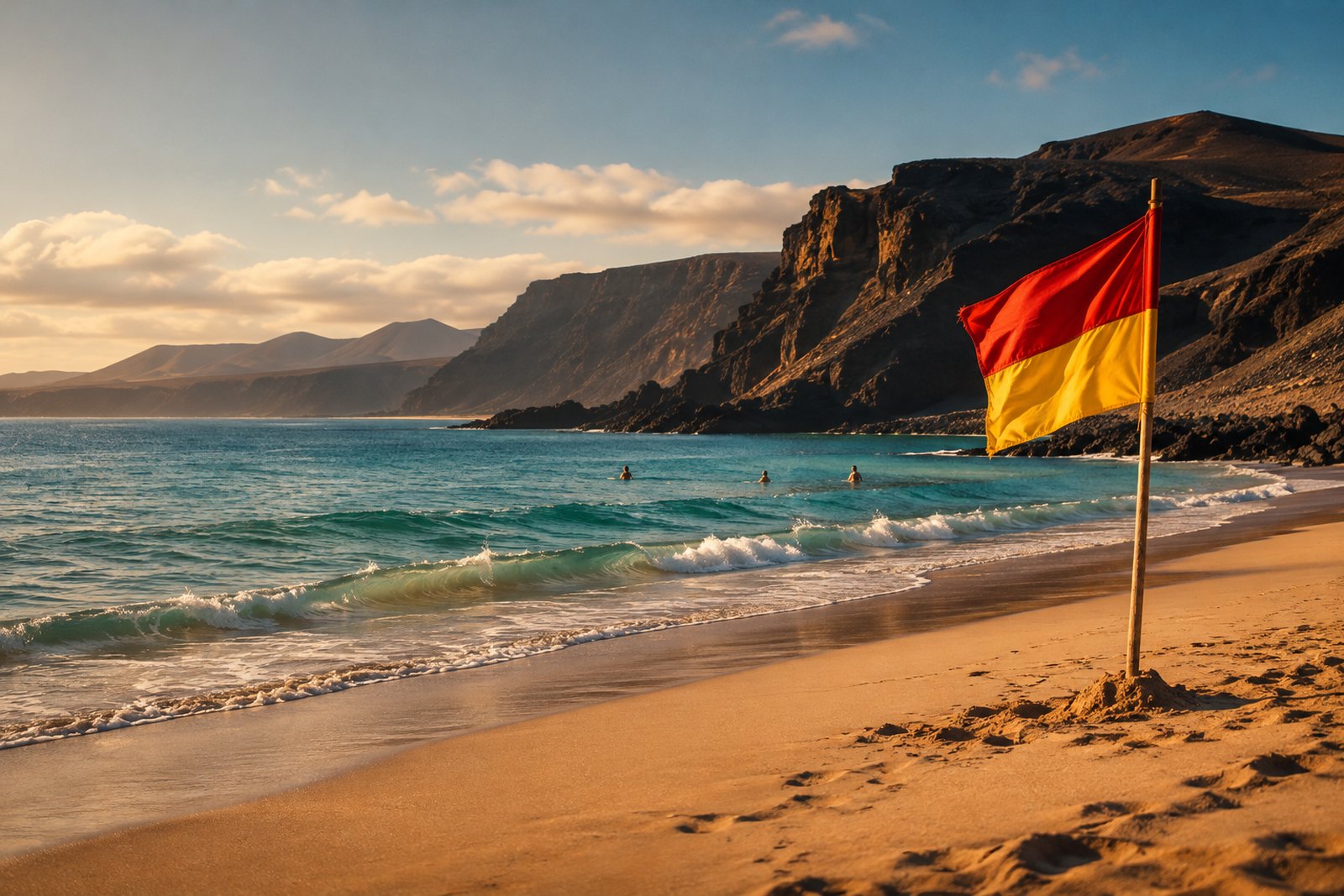
On guarded beaches the flag is law, and it can change while you are eating your sandwich. Green means the water is behaving, yellow means use your head and stay in your depth, red means do not go in, full stop. The red-and-yellow chequered flags mark the zone the lifeguards are actually watching, so swimming between them is always the smartest move. Some beaches have no flags at all: that is not a good sign or a bad sign, it simply means nobody is watching but you.
The Pull You Cannot See
Rip currents are the ocean's conveyor belt: a narrow stream of water returning seaward after the waves push it in. You can spot them as a channel of choppy, discoloured water with fewer breaking waves, often beside a headland or a rock. If you get caught in one, the golden rule is do not fight it. Swimming straight back against a rip is how people get exhausted. Float, breathe, swim parallel to the shore until you are out of the stream, and only then come in. It is a calm, boring, extremely effective technique.
Where the Sea Is Gentle and Where It Is Not
Lanzarote has two moods, and the map tells you which is which. The south and the east coast, sheltered from the prevailing winds, are where the gentle version of the Atlantic lives: sandy bays, clear water, easy entries and a sea that behaves like a swimming pool for most of the morning. The north and the west are the wild chapter: powerful surf, rocky entries, dramatic views and a sea that decides the rules.
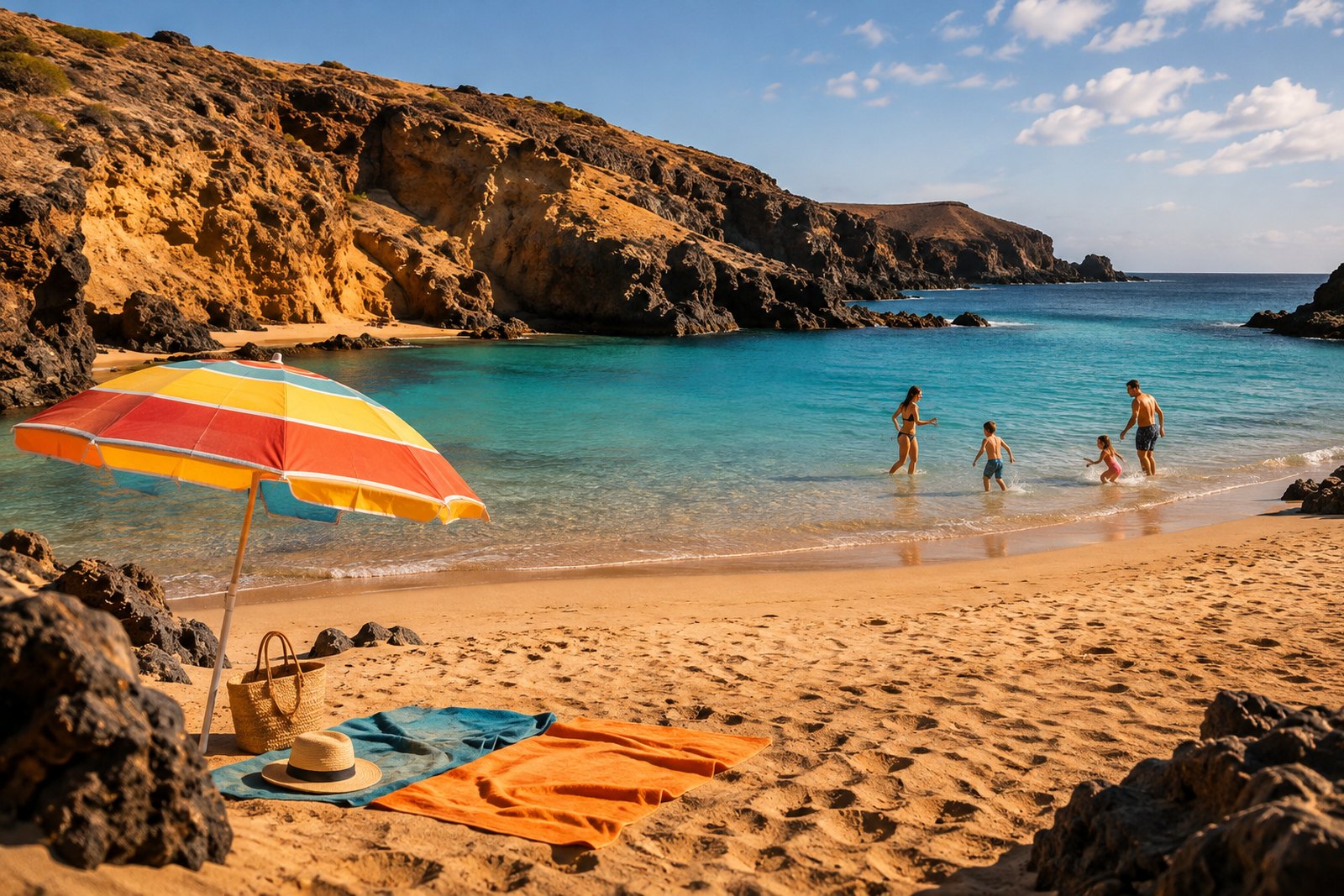
For easy days with children or for a first swim of the holiday, head south. The coves around Papagayo, the bays of Playa Blanca and the calm water by the marinas are exactly what you have in mind when you book a flight to the Canaries. Go early, claim a patch of shade and let the morning do the work. In the afternoon the wind often turns the surface choppy, which is the local signal for lunch, siesta and a late swim.
Puerto del Carmen and the beaches around it are the middle ground: open enough to have real waves and real fun, sheltered enough to swim most days. This is where I live and where my shop is, and I check the sea the way other people check the news. Playa Grande and the harbour end are my usual picks, depending on which way the wind is pointing when I wake up.
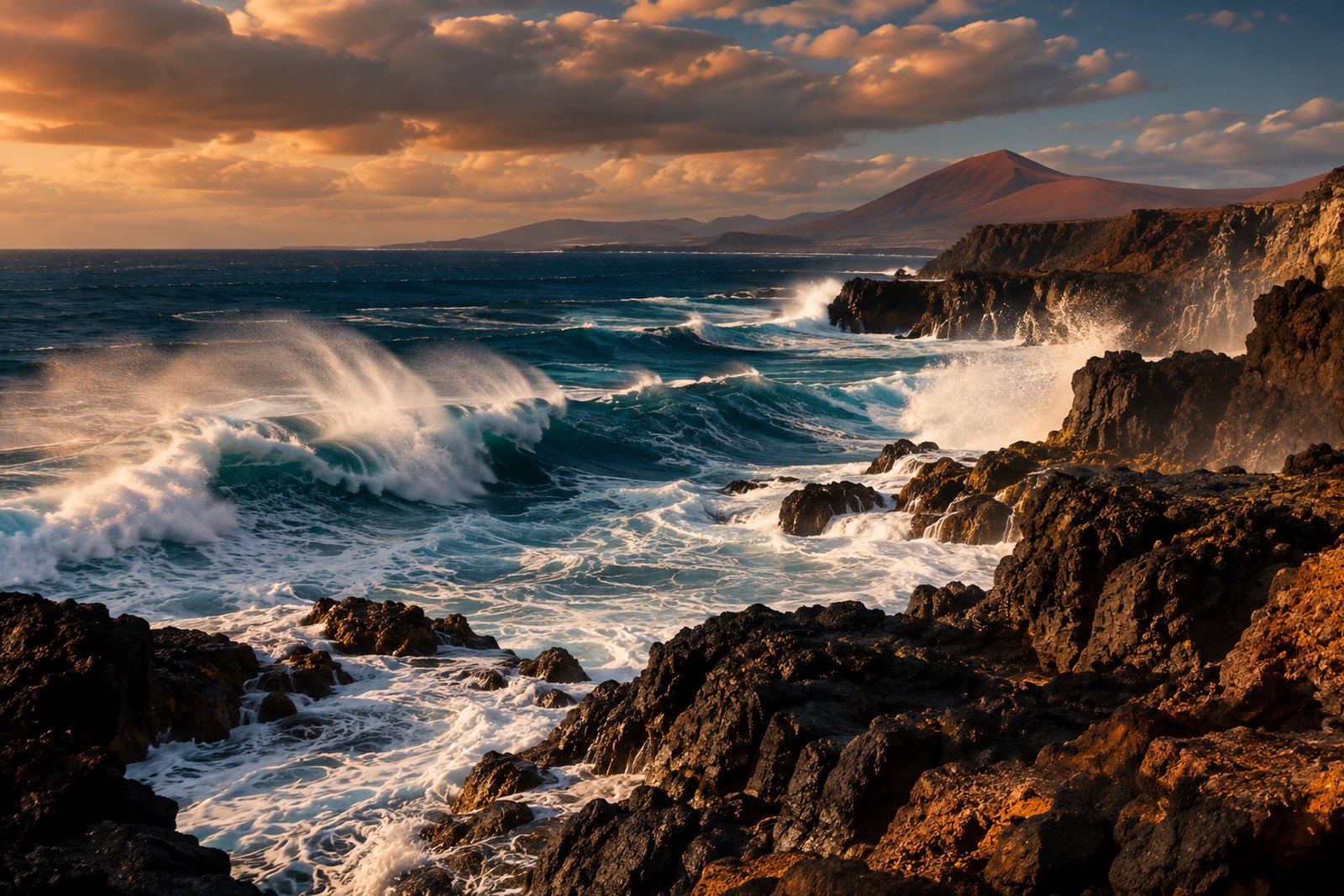
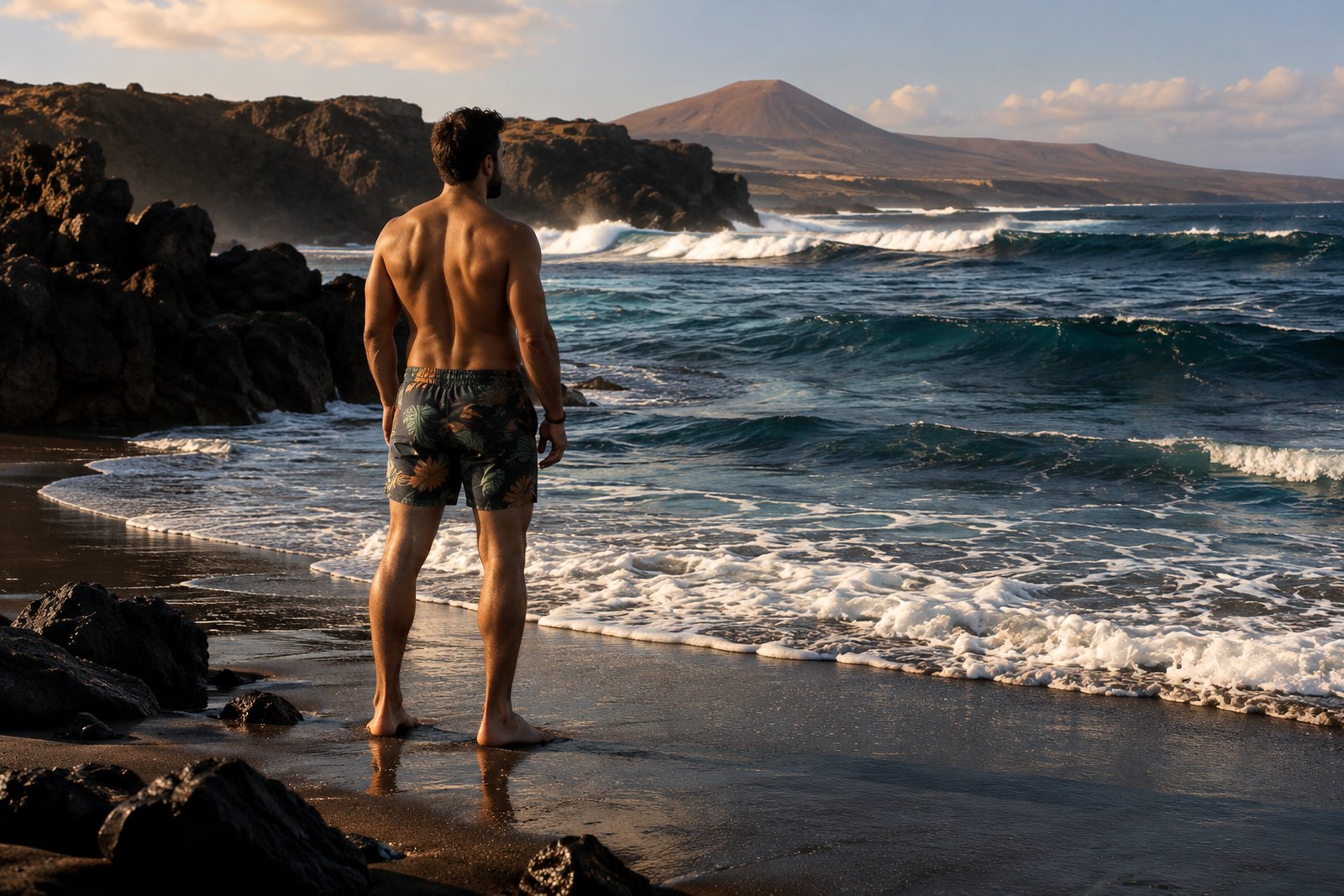
The west coast is a different animal. Famara, El Golfo and the northern coves are breathtaking and occasionally unforgiving: powerful waves, sudden drop-offs and currents that do not care about your holiday plans. They are wonderful for walking, photography and watching surfers do impressive things. Swimming there is for confident, experienced swimmers, on a calm day, with someone on the shore watching your back.
Sheltered Bays for Easy Days
My list of gentle starts with the Papagayo coves: protected, shallow, sandy and so clear that the fish look fake. Next come the bays around Playa Blanca and the small beaches by the marinas, where the water barely moves before noon. These are the spots for families, for nervous swimmers and for anyone whose idea of a perfect holiday includes floating without thinking. A catamaran trip in Lanzarote is the same gentle water seen from the best seat in the house, with a crew that reads the sea for you.
The Wild Side: Famara and the North
Famara is the beach that makes you fall in love with Lanzarote and the one that keeps the rescue crews busy: six kilometres of golden sand under a wall of cliffs, with a shorebreak that stands people up and a current that runs along the beach. Go, walk, take absurd photographs, eat in Caleta. Swim only between the flags, only on a calm day, and never turn your back on the waves. The north coast beyond Haria and Orzola is even wilder: admire it, respect it, and save your swim for a sheltered bay.
Boats, Water Sports and Smart Adventures
The good news is that the fun stuff on this island is run by people who read the sea for a living. Boat skippers, dive instructors and jet ski guides watch the wind and the swell every single day, and they make the calls that keep good days good. Going out with a proper crew is not the boring option: it is how you get to swim in coves you would never find on your own, safely, with someone else worrying about the anchor.
Snorkelling is the easiest way to fall in love with the underwater Lanzarote, and the rocky volcanic seabed is full of life within a few metres of the shore. Pick a sheltered entry, go in the morning and keep one eye on the surface. A snorkelling and diving day in Lanzarote with guides who know the sites is worth every cent, especially if you want to see the big stuff without earning a lecture from the current.
For speed lovers, the same rules apply with better acceleration. A jet ski in Lanzarote is enormous fun on flat morning water and hard work in afternoon chop, which is why the guided tours run early and follow the sheltered coast. Life jacket on, throttle hand steady, and keep a healthy distance from swimmers, turtles and the occasional fisherman who has seen it all before.
The classic sea day combines all of it: a morning on the water, a swim in a hidden cove, lunch on board and back before the wind builds. With boat hire and boat trips in Lanzarote you can set that up in one message, and I will tell you honestly which day of your week deserves the boat and which one deserves the beach. The sea gives the best days to those who plan around it, not against it.
Snorkelling and Diving with a Cool Head
The rules of good snorkelling could fit on a postcard. Never go alone, never go farther than you are happy to swim back from, and wear something bright so boats can see you. Watch the swell: if the water is surging over the rocks you wanted to explore, that is the sea telling you to come back another day. Do not touch anything down there, do not chase the fish and do not take shells home. The reef remembers who treats it well.
Children, Windy Days and the Local Plan B
With kids, the formula is shallow water, full attention and short sessions. Choose a sheltered beach, stay within arm's reach and make the rule that nobody goes deeper than their shoulders without a grown-up beside them. On the windy days, when the sea turns grey and choppy, switch the plan: a bike ride along the coast, a market, a museum, or a long lunch while the ocean has its tantrum. Then swim at sunset, when everything goes calm again and the water is warmer than the air. And when the wind wins, come by the shop: Zack Bike Lanzarote, Calle Roque Nublo 10 in Puerto del Carmen. Kids bikes 10 euros a day, city bikes 15, mountain bikes 20 and electric bikes 30, and the longer you keep them the less you pay per day. Message me on WhatsApp at +34 603 27 93 06 and I will tell you which beach is having the better day.
You might also be interested in: Boat hire & boat trips in Lanzarote · Jet ski in Lanzarote · Snorkeling & diving in Lanzarote · Catamaran trips in Lanzarote · Rentals & adventures in Famara · Boat trips & rentals in Playa Blanca · Lanzarote for families · Lanzarote for couples
Every adventure with Zack follows the same promise: no stress, no surprises, just the right experience at the right moment. Before you even arrive, he is already thinking about the wind, the light, the perfect hour and the little details that turn a holiday into a story you will tell for years. Sea Safety in Lanzarote: How to Read the Water Like a Local is not just a booking: it is the beginning of your Lanzarote story.
How it works: from the first message to your best memory
1. Choose your adventure
Scroll through this page and feel what fits you: Sea Safety in Lanzarote: How to Read the Water Like a Local, or maybe something different? Every traveller is unique, and Zack knows it. Look at the photos, read the tips, and if you are not sure, that is the best moment to write: telling him who you are and what you love is enough, and he will build the perfect day around it.
2. Book in one message
No forms, no call centres: one WhatsApp message and you are in. Zack replies with availability, the honest price and the plan for the day, including what to bring and when to start. The more days or people, the better the price — and if your plans change, you are talking to a real person who adapts.
3. Live the experience
This is where Lanzarote shows off. The island unfolds in colours you did not expect: black lava, red volcanoes, turquoise water and light that makes everything look like a film. With Sea Safety in Lanzarote: How to Read the Water Like a Local you enjoy it your way, with a local team watching over every detail so that your only job is to have the time of your life.
4. Back home, happy
The tan fades, the memories do not. You go home with a phone full of photos, a heart full of stories and that feeling of having discovered a place rather than just visited it. Friends will ask for your itinerary: that is when you know you chose the right adventures.
5. Tell the world
If Zack and his team made your holiday special, the best thank you is a review on Google Maps: sixty seconds that help other travellers find the same magic, and make a local team very proud. Share your story, your photos and your tips — and become part of the Zack Lanzarote family.
Frequently asked questions
Is the sea in Lanzarote safe for swimming?
Yes, on the right beach at the right time of day. The sheltered bays of the south are calm and family friendly most mornings, while the open west coast deserves real respect. Read the flags, watch the water for five minutes before you get in, and swim early while the wind is still asleep.
Which beaches are best for children?
The sandy coves around Papagayo and the sheltered bays near Playa Blanca are the gentlest: shallow water, soft sand and no big waves before the afternoon. Go in the morning, bring shade and water, and keep the little ones within arm's reach. In Puerto del Carmen choose the sheltered end of the beach on windy days.
What should I do if I get caught in a current?
Do not swim straight back against it: that is how people get tired. Float on your back to save energy, breathe slowly, then swim parallel to the shore until you are out of the current stream, and angle in only when the water stops pulling. Wave for help if you need it: being rescued is embarrassing for ten minutes, exhausting to prevent is much worse.
Does the wind change where I should swim?
Completely. The trade winds usually build through the morning and turn a flat bay choppy by lunchtime, so swim early and pick beaches sheltered from the north and east. When it blows hard, the southern coves and the harbour ends stay friendliest. Message me on WhatsApp and I will tell you which beach is having the better day.
You may also like
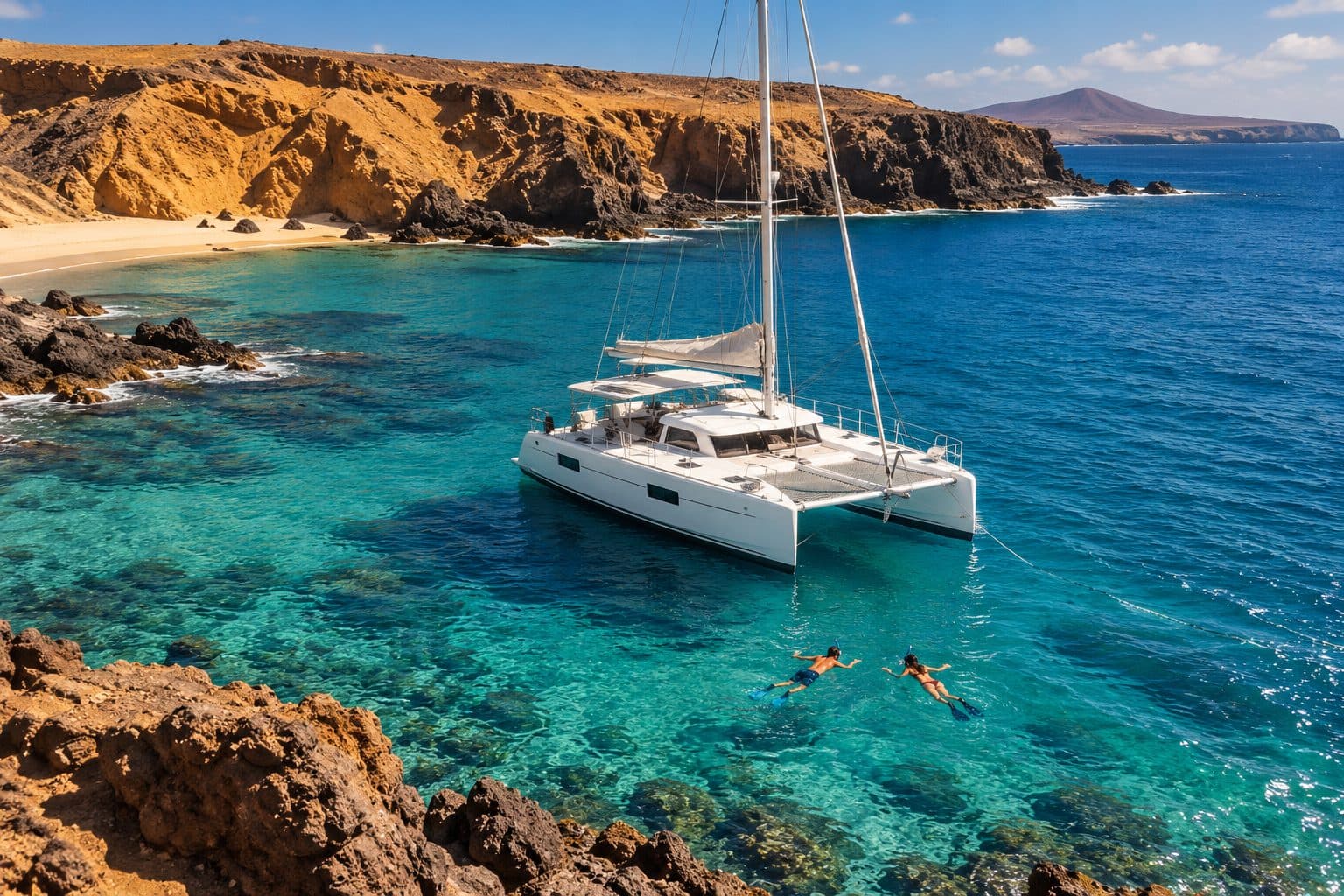
Boat hire & boat trips in Lanzarote
Discover more →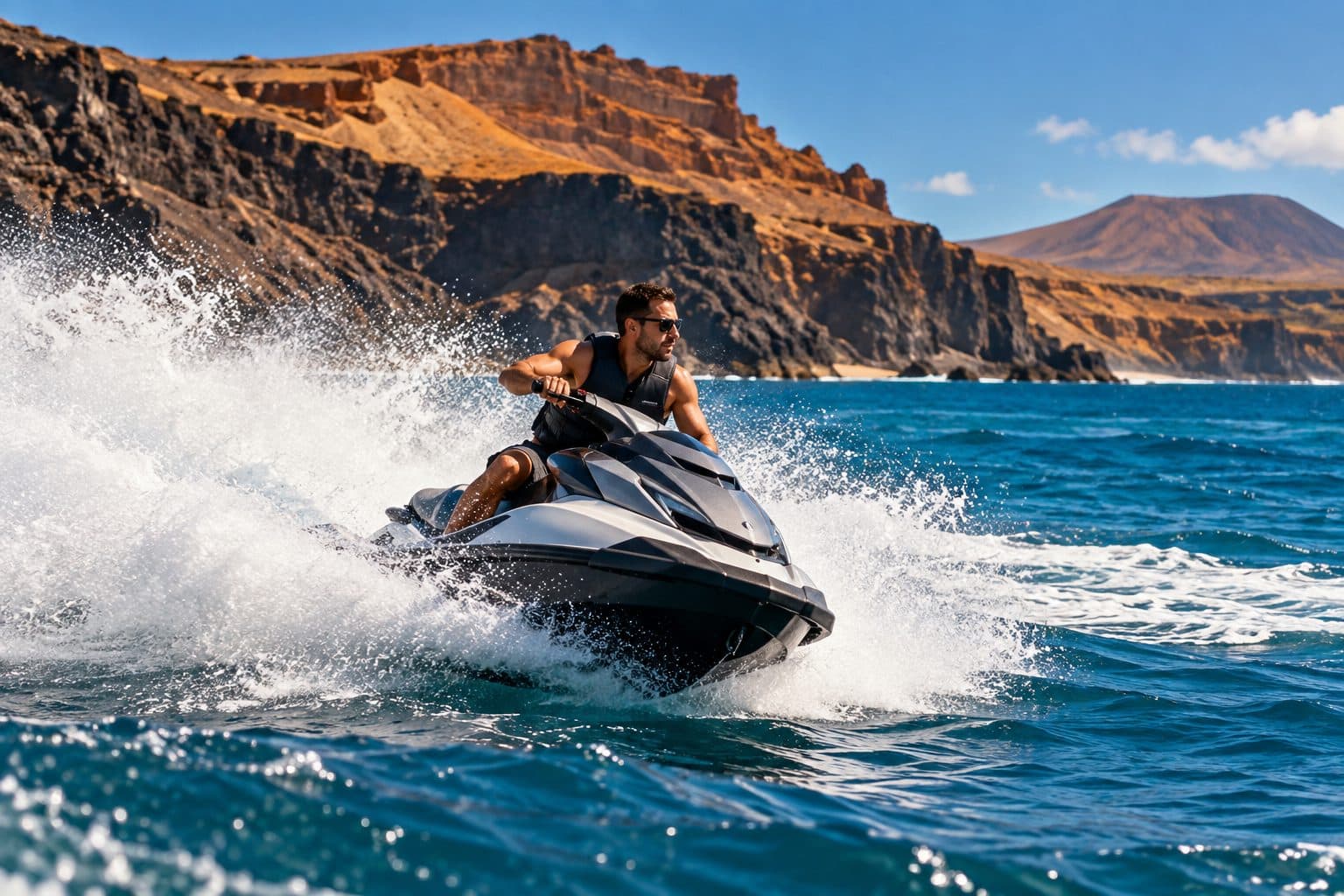
Jet ski in Lanzarote
Discover more →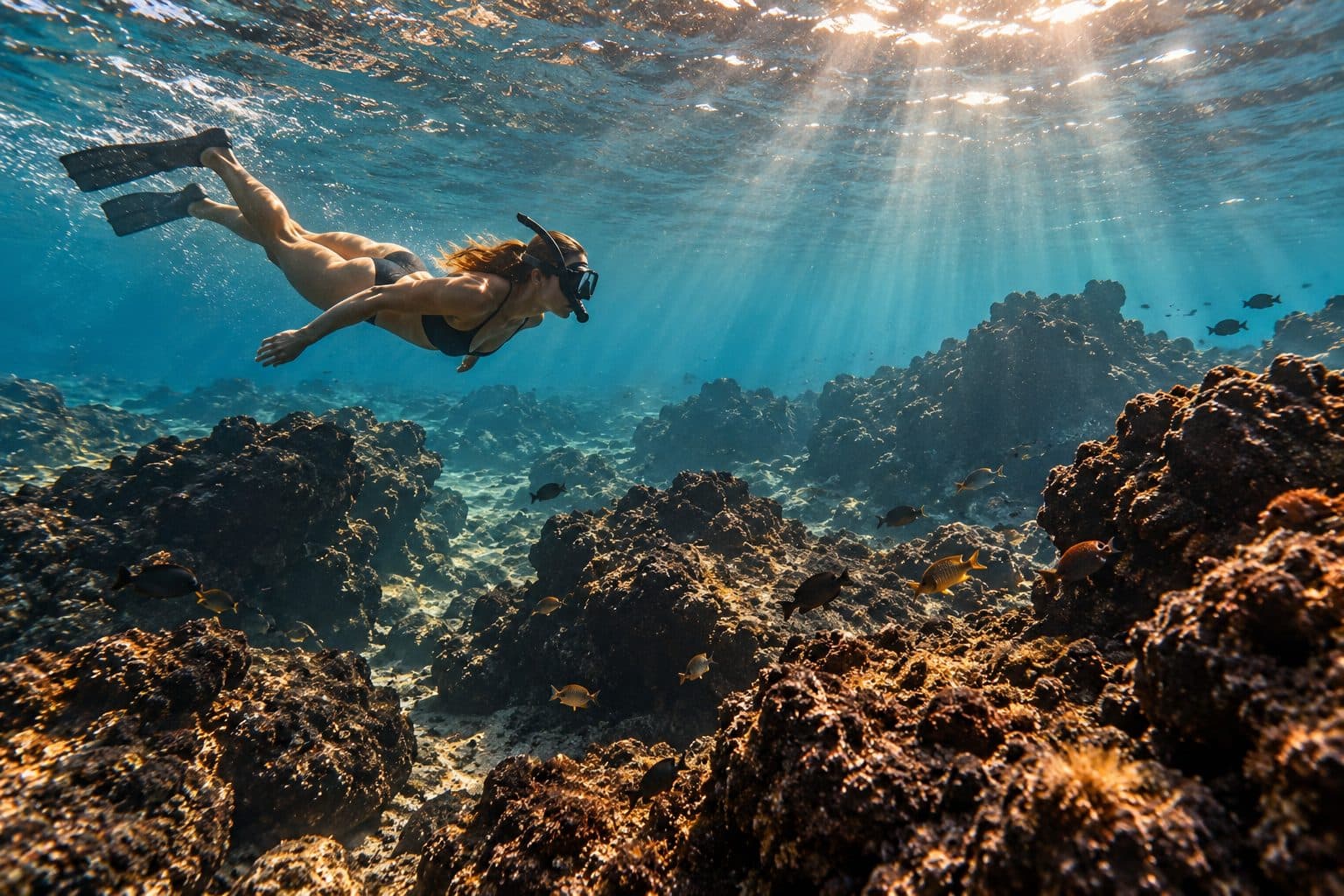
Snorkeling & diving in Lanzarote
Discover more →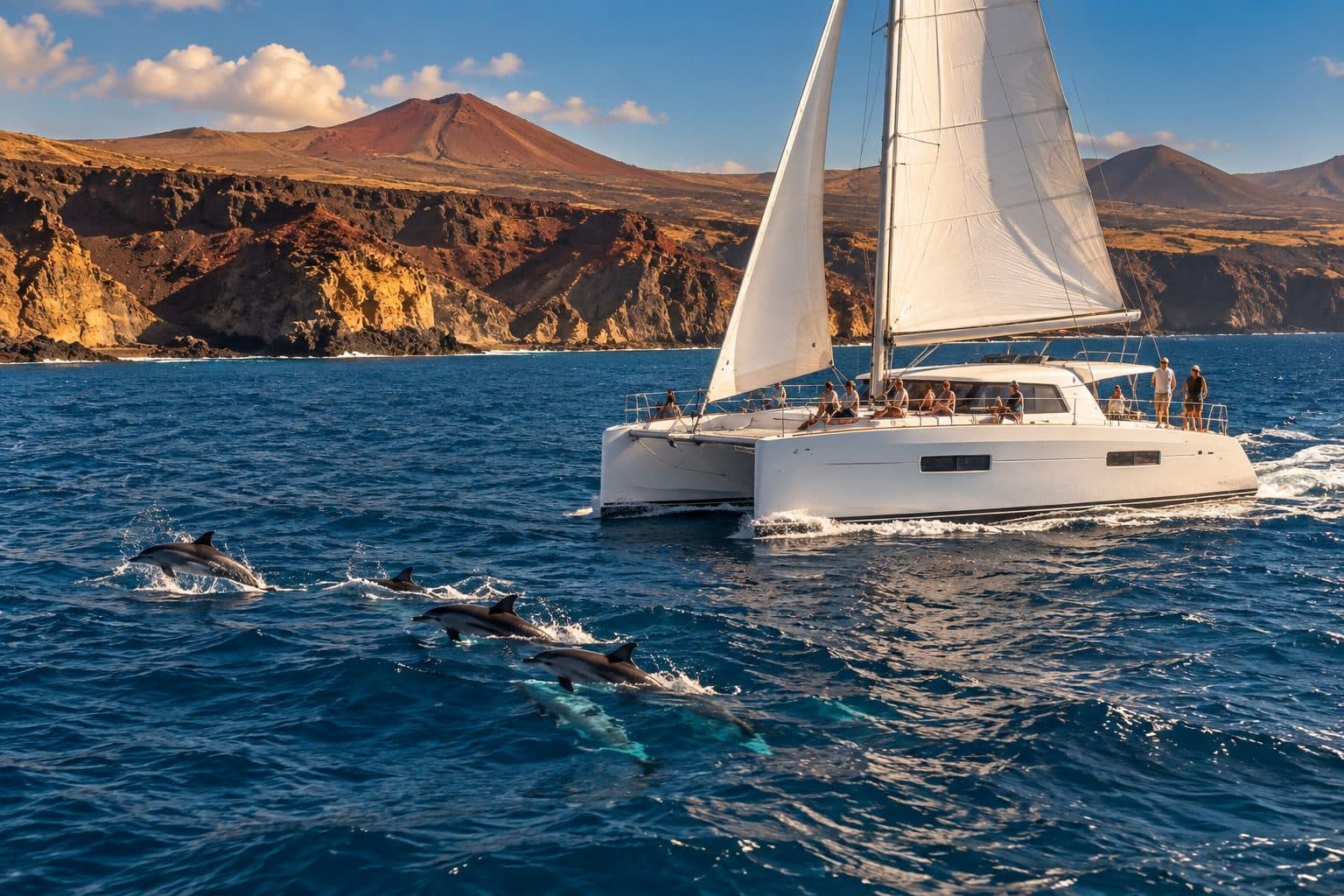
Catamaran trips in Lanzarote
Discover more →Punta Mujeres: The Fishing Village of Natural Pools
Discover more →San Ginés Festival: Arrecife's Biggest Summer Party
Discover more →Lanzarote Food Guide: Eating Like a Local on a Volcanic Island
Discover more →Puerto del Rosario City Guide: The Real Capital of Fuerteventura
Discover more →Costa Teguise City Guide: Beaches, Wind and the Pueblo Marinero
Discover more →Playa Blanca City Guide: Lanzarote's Sunny Southern Harbour
Discover more →Yaiza and El Golfo: Lanzarote's Green Lagoon and Prettiest Village
Discover more →Puerto del Carmen Neighbourhoods: Centro, Los Pocillos and Matagorda
Discover more →Day Trip from Lanzarote to Corralejo, Fuerteventura
Discover more →Las Palmas de Gran Canaria and the Canary Islands Region
Discover more →Famara and Caleta de Famara: the Wild Side of Lanzarote
Discover more →Arrecife City Guide: the Capital of Lanzarote Beyond the Guidebooks
Discover more →Lanzarote in Autumn: Weather, Beaches and the Best Things to Do
Discover more →Teguise City Guide: the Old Capital and the Sunday Market
Discover more →La Graciosa: How to Visit the Eighth Canary Island
Discover more →Haría and the North of Lanzarote: Valleys, Cliffs and Palm Groves
Discover more →Tinajo and the Volcanic North of Lanzarote
Discover more →Lanzarote in Winter: Weather, Festivals and the Best Things to Do
Discover more →San Bartolomé City Guide: The Agricultural Heart of Lanzarote
Discover more →Lanzarote in Spring: Weather, Beaches and the Best Things to Do
Discover more →Órzola and the Far North: the Fishing Village at the End of the Road
Discover more →Lanzarote in Summer: Long Days, Warm Sea and the Island at Its Best
Discover more →Puerto Calero City Guide: The Marina and the Quiet Side of Lanzarote
Discover more →Maspalomas City Guide: The Dunes and the Sunny South of Gran Canaria
Discover more →Christmas and New Year in Lanzarote: Winter Sun, Fiestas and Local Traditions
Discover more →Betancuria and the Heart of Fuerteventura: the White Town in the Green Valley
Discover more →La Geria and the Volcanic Vineyards of Lanzarote
Discover more →Ironman Lanzarote 2027: the Race, the Route and Race Week
Discover more →Timanfaya National Park: How to Visit the Fire Mountains of Lanzarote
Discover more →The César Manrique Route: The Man Who Built Modern Lanzarote
Discover more →Hiking in Lanzarote: The Best Walks on a Volcanic Island
Discover more →Papagayo Beaches: The Wild Southern Coves of Lanzarote
Discover more →Sea Safety in Lanzarote: How to Read the Water Like a Local
Discover more →Lanzarote Markets: The Complete Weekly Market Guide
Discover more →Carnival in Lanzarote: The Wildest Week on the Island
Discover more →Easter in Lanzarote: Semana Santa and Spring on the Island
Discover more →Day Trip to Jandía and Morro Jable from Lanzarote
Discover more →Romería de los Dolores: Lanzarote's Biggest Pilgrimage
Discover more →El Cotillo and the Wild North-West Coast of Fuerteventura
Discover more →Stargazing in Lanzarote: Dark Skies Over the Volcanoes
Discover more →La Santa: the Surf Village on Lanzarote's Wild West Coast
Discover more →Playa Honda and Matagorda: The Quiet Coast Next to the Airport
Discover more →Fiestas del Carmen: Lanzarote Honours the Sea
Discover more →Tías and the Inland Villages of Southern Lanzarote
Discover more →Guatiza and the Cactus Garden: The Green Jewel of Lanzarote
Discover more →Isla de Lobos: Day Trip to the Secret Island near Lanzarote
Discover more →Sea Safety in Lanzarote: How to Read the Water Like a Local: related services and areas of Lanzarote

Meet Zack — your adventurous guide in Lanzarote
Founder · adventurer at heart
Elegant on the outside, adventurer at heart. Zack is the one who shows up with a big smile and the perfect plan for your day. Fun, easy-going and always ready for one more adventure, he knows every corner of Lanzarote — and he tailors every experience to your needs. Tell him who you are travelling with and what you love: he takes care of the rest, with the best advice and a joke ready to go.
Your adventure starts with a smile. — Zack
Come and visit us at the shop!
You'll find Zack Bike Lanzarote in Puerto del Carmen — pass by for a coffee, honest advice and the right plan for your days on the island.
🏠 Calle Roque Nublo 10, Puerto del Carmen, Lanzarote, Spain