
Isla de Lobos: Day Trip to the Secret Island near Lanzarote
Off the northern tip of Fuerteventura sits an island you can walk around in a morning and think about for years. Isla de Lobos is a protected speck of lava, white sand and impossibly clear water, with no cars, no hotels and barely a dozen houses. The boat takes fifteen minutes and suddenly you are somewhere else entirely. This is my own guide to the place: what it is, what to do there, how to get the crossing right and how to build the rest of the day around it.
⚡ Quick summary before you plan your days in Lanzarote
- What to know firstOff the northern tip of Fuerteventura sits an island you can walk around in a morning and think about for years.
- Who it is forIsla de Lobos is a small volcanic island sitting in the strait between Lanzarote and Fuerteventura, a couple of kilometres off the resort of Corralejo.
- Main optionsWhat Isla de Lobos Is and Why It Feels Like Another Planet · The Best Things to Do on Isla de Lobos · How to Get to Isla de Lobos · Planning Your Day: When to Go and What to Bring
- Duration, prices and detailsHow do you get to Isla de Lobos from Lanzarote? The classic route is the ferry from Playa Blanca to Corralejo, about half an hour, then a small boat from Corralejo harbour to Lobos, around fifteen minutes. In summer there are also boat…
- How to bookBook on WhatsApp · +34 603 27 93 06


📷 Gallery
🧭 Zack's 3-click Lanzarote experience planner
💬 Send my plan to Zack on WhatsApp
Because a tour should feel like travelling with a friend: Zack designs the route around your rhythm, your curiosity and your camera roll — and changes it whenever you wish.
What Isla de Lobos Is and Why It Feels Like Another Planet
Isla de Lobos is a small volcanic island sitting in the strait between Lanzarote and Fuerteventura, a couple of kilometres off the resort of Corralejo. It measures less than five square kilometres, it is a protected natural area, and almost nobody lives there. The name comes from the monk seals that once hauled out on its rocks, the sea wolves the Spanish called lobos marinos. The seals are long gone, but the island kept its wildness, and that is exactly why people fall for it.
The landscape is a compressed version of everything great about the Canaries. There is a volcano you can climb, lava fields that crack and glow red in the low sun, dunes of blown sand, salt marshes, and beaches where the water turns that specific turquoise that makes everyone put their phone away too late. The whole island is a nature reserve, so there are no buildings to speak of, no traffic, and a handful of walking paths that link the pieces together. Geologically it is Lanzarote in miniature, and you can read the whole story of the Canaries in one short walk.
What visitors remember most is the silence. The crossing from Corralejo drops you at a small jetty, the boat leaves, and the loudest sound is the wind. Families spread out on the sand, snorkellers drift over the lava shelves and hikers make for the volcano. By mid-afternoon the day trippers thin out and the island feels enormous. Bring your own food and water and you can happily lose six hours here without spending anything at all.
The Volcano, the Lighthouse and the End of the Map
In the middle of the island rises Montaña La Caldera, a volcanic cone of 127 metres that takes about half an hour to climb. The path is rough but easy, and the view from the top is one of the best in the Canaries: the Famara cliffs of Lanzarote on one side, the dunes of Corralejo on the other, and Atlantic in every direction. Just below sits the old Faro de Martiño lighthouse, red and white and completely alone. Walk out to it in the afternoon light and you will take the photograph of your holiday.
El Puertito: The Village That Never Grew
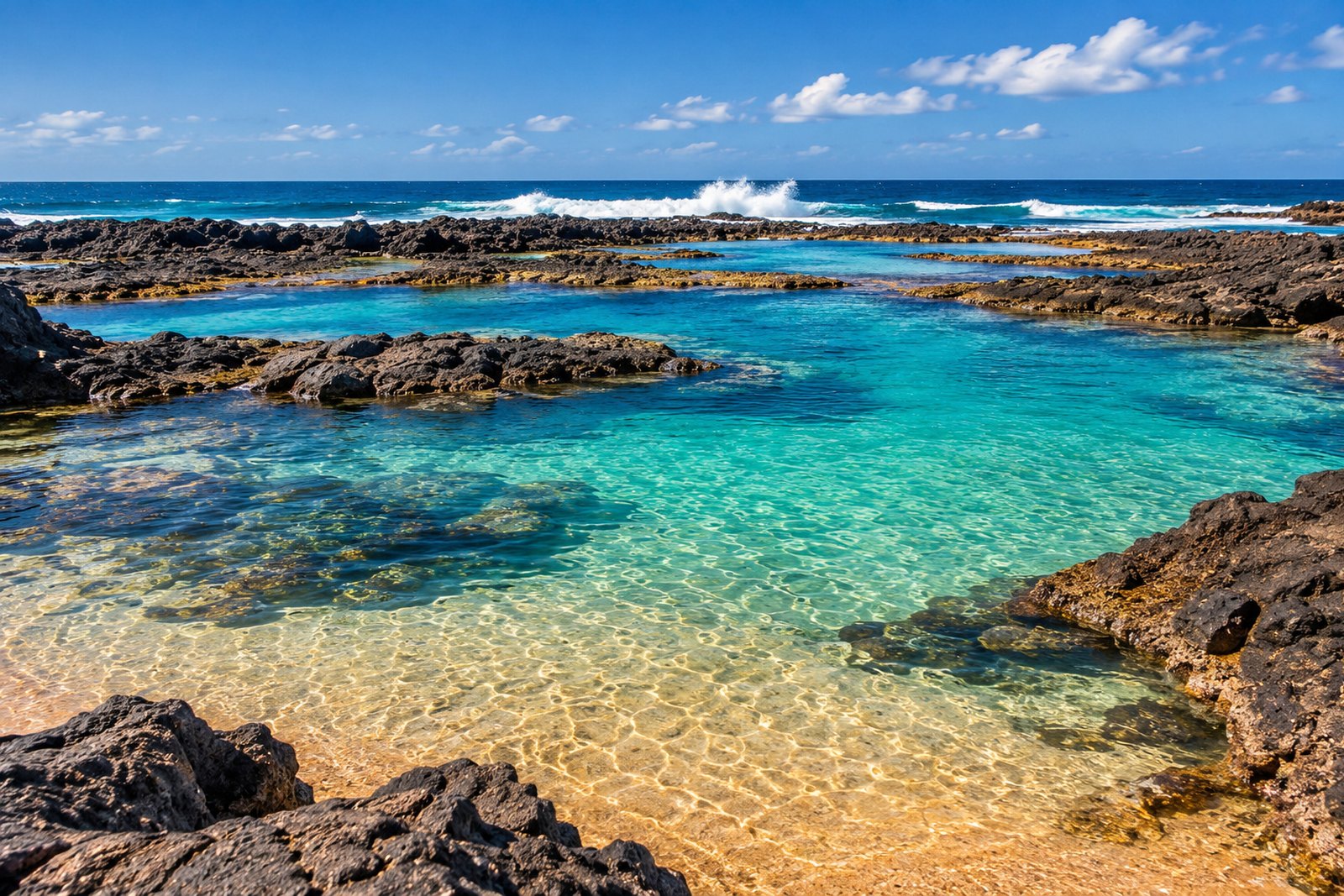
On the sheltered southern shore there is a cluster of low stone houses called El Puertito. In the last century fishermen from Lanzarote stayed here for weeks at a time, salting their catch and living on what the sea gave them. Today a tiny seasonal bar opens beside the natural pool in summer, and the houses watch over the calmest swimming on the island. The pool is a ring of black lava filled with clear, still water: perfect for children, perfect for floating, perfect for doing absolutely nothing.
The Best Things to Do on Isla de Lobos
You do not need a long list of activities on Isla de Lobos, because the island itself is the attraction. That said, three things deserve a place in your day: the climb to the volcano, a swim at Playa de la Concha and a snorkel along the lava. Everything else is a bonus: the lighthouse walk, the dunes on the eastern side, the birdwatching, and the photographs you keep taking even after you told yourself you were done. Pace it slowly and the day stretches in the best possible way.
Bird lovers should keep their eyes open. The island sits on the Atlantic migration routes, so herons, plovers and the odd osprey turn up alongside the resident shags and kestrels. The salt marshes behind the beach are the quietest corner of the island and a lovely place to let children discover something small and fascinating. Binoculars earn their space in the bag, especially in spring and autumn.
Eating is simple: there is the seasonal bar at El Puertito and nothing else. Some days it opens and the fresh fish is wonderful, some days it stays shut. Treat the island as a picnic destination, bring more water than you think you need, and save the long lunch for later. My favourite move is a morning on Lobos and a late lunch back in Corralejo or over at El Cotillo.
Playa de la Concha and the Natural Pools
Playa de la Concha is the main beach: a crescent of pale sand facing Lanzarote, sheltered from the trade winds by the shape of the island itself. The water is shallow, clear and calm, which makes it the natural choice for families and for anyone who wants to swim rather than wrestle the Atlantic. Around the corner the lava has carved natural pools that refill with every tide. Check the swell before you climb in, and never turn your back on the open ocean side. In the afternoon the light turns the sand gold and the whole bay looks painted on.
Snorkelling in Water Like Glass
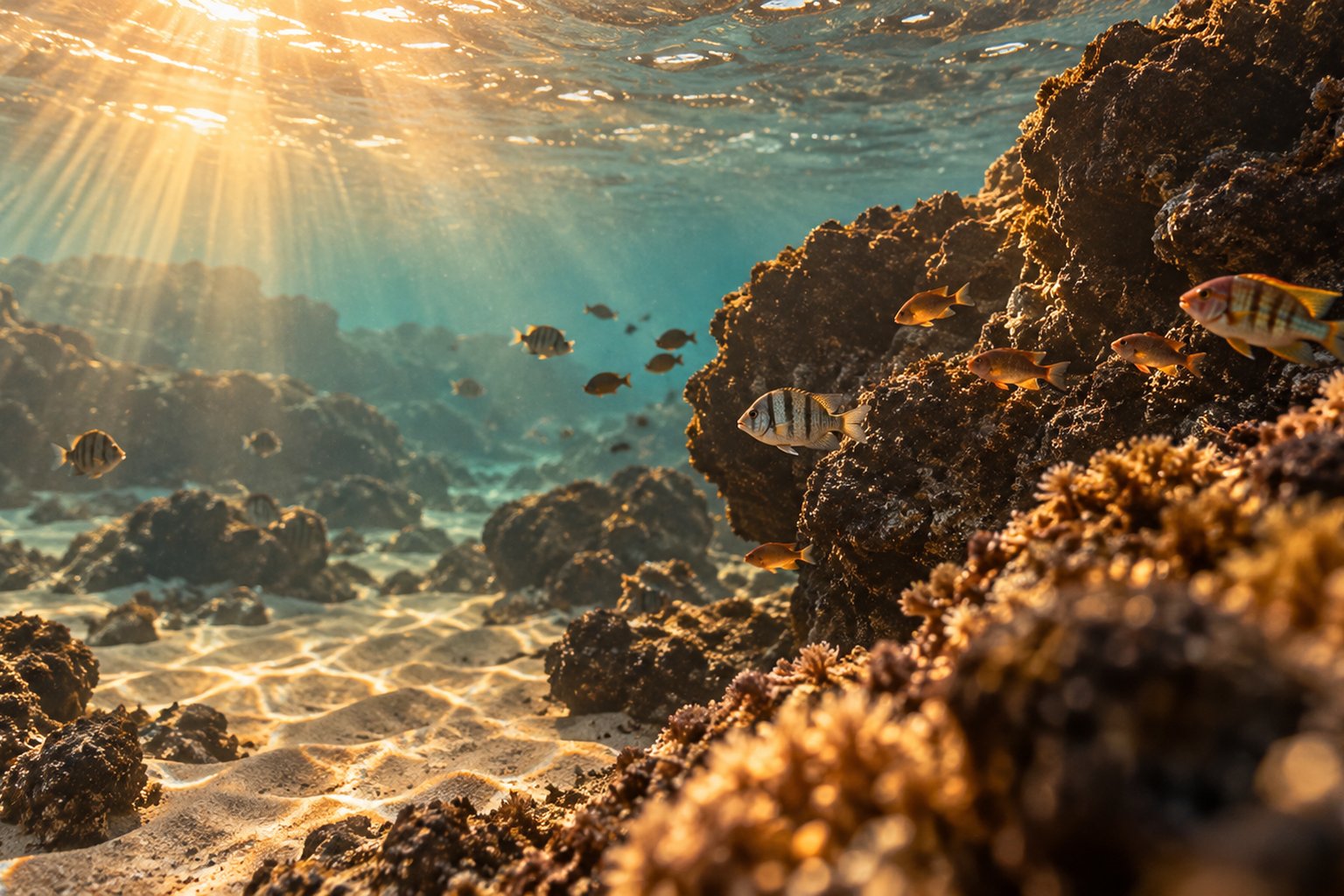
If you do one water activity here, make it a snorkel. The lava shelves around El Puertito and the eastern shore hold shoals of salema, sea bream, damselfish and the occasional octopus, and on a calm day the visibility is good enough to make the bottom look like an aquarium. A mask and a pair of water shoes are all you need. The rock is sharp, the sea urchins are everywhere and the water is colder than it looks, so keep the swim short and sweet.
How to Get to Isla de Lobos
Almost everyone reaches Isla de Lobos from Corralejo, on Fuerteventura. Small licensed boats run from the old harbour to the island jetty in about fifteen minutes, and in high season they shuttle back and forth through the morning and early afternoon. The island's daily visitor numbers are capped by the authorities, so every crossing goes through these official boats, and in busy months it pays to fix your seat the day before. Check the return times before you step off: missing the last boat is an expensive mistake.
Getting to Corralejo from Lanzarote is half the adventure. The fast ferry from Playa Blanca crosses in about half an hour, with sailings most of the day. That is the classic plan: early crossing, morning on Lobos, lunch in Corralejo, an hour on the dunes and the ferry home before dinner. Everything about that southern port lives on my page about Playa Blanca, and if you would rather leave the driving to someone else, my excursions in Lanzarote fold the whole day into one easy trip with a guide who knows which boat to take.
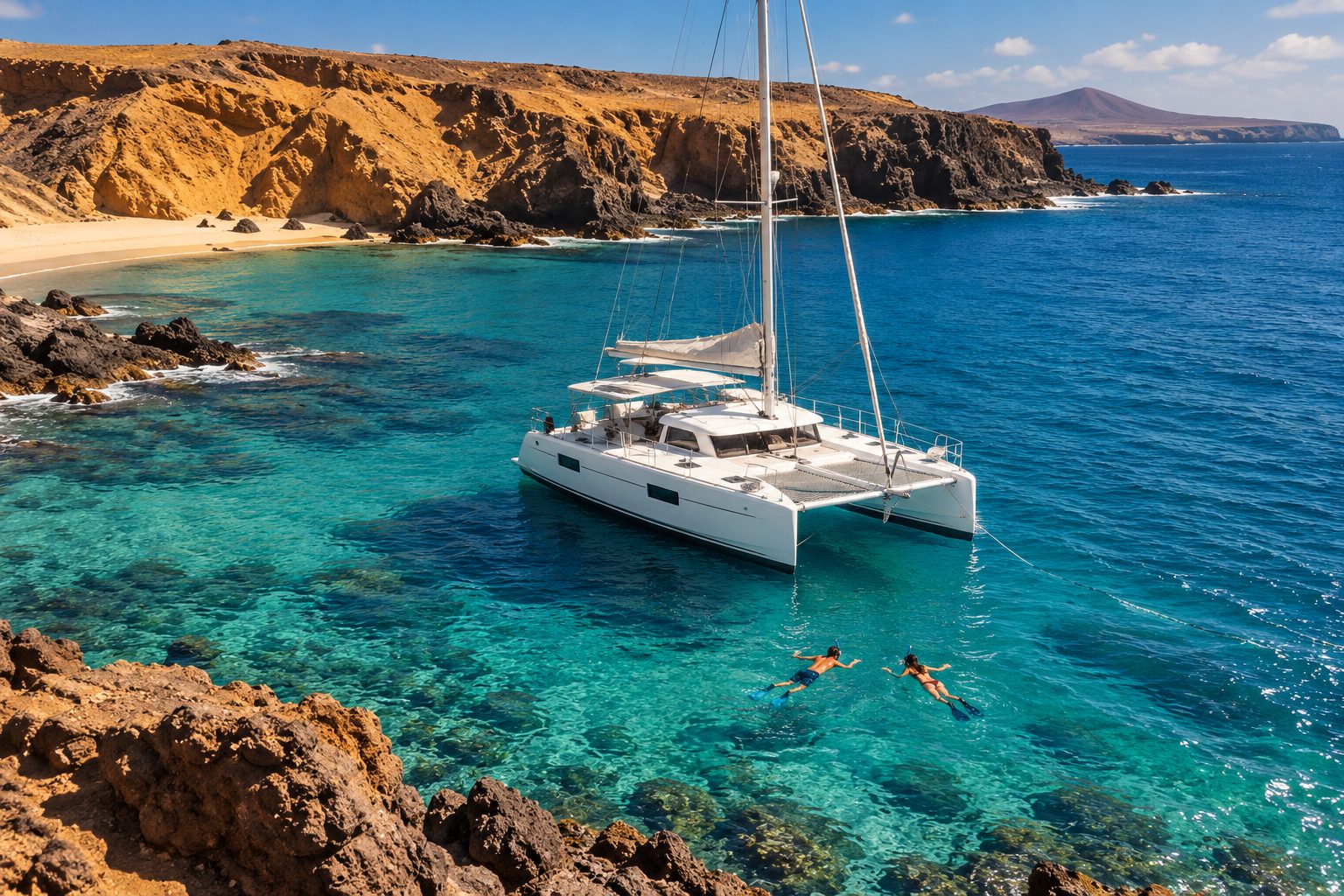
There is another way, and in summer it is the one I like best: go by sea from Lanzarote directly. Boat trips leave from Playa Blanca, Órzola and the southern coast, sail up the strait, stop for swimming and often circle the island before dropping anchor in the lee of the volcano. It costs less planning and gives you the island from the water, which is the view the old seal hunters knew. Ask me about boat trips in Lanzarote and I will match the boat to your group.
Crossing from Corralejo: Timetables and Tickets
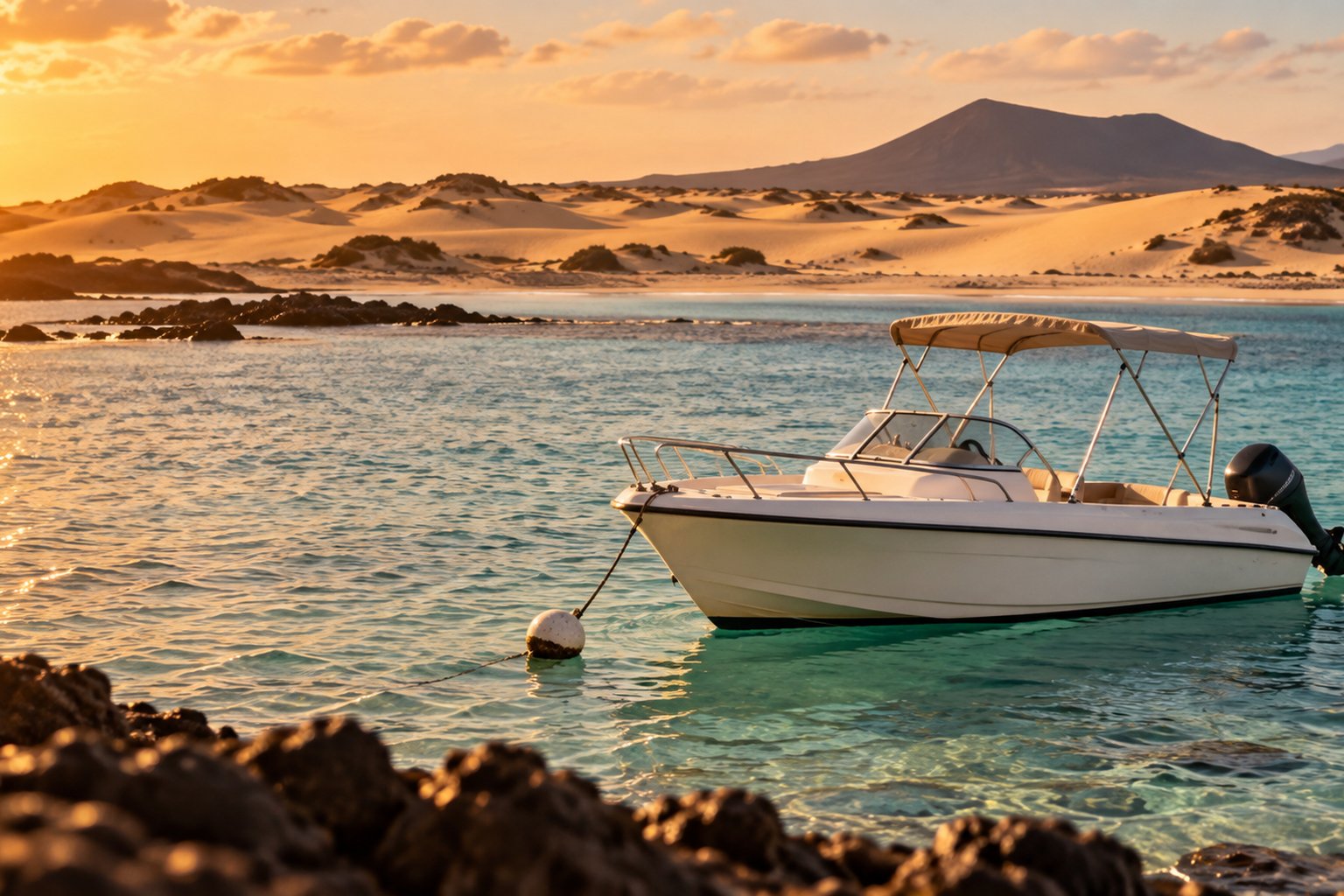
The Corralejo crossing is run by small passenger boats rather than big ferries, so there is no car deck and no need to book days ahead outside August and Easter week. Buy the ticket at the harbour kiosk, keep it for the return leg and watch the clock: the last boats back leave in the late afternoon. Seasickness is rarely a problem on a fifteen-minute crossing, but when the swell is up the ride gets bumpy and the crew will tell you honestly whether to go. If the wind howls, the boats stop: nobody argues with the Atlantic here.
Visiting Independently Without Missing the Point
You can absolutely do Lobos on your own, and many people should. Take one of the first boats, walk at your own pace and come back when the sand runs out of appeal. Two things to respect: the rules and the sun. Stay on the marked paths, carry every scrap of rubbish back to the boat, pick nothing, and remember there is no shade anywhere on the island. If you want to explore the reefs as well, have a look at snorkelling and diving in Lanzarote for gear and the best spots.
Planning Your Day: When to Go and What to Bring
Any month works for Isla de Lobos, but the character of the day changes with the season. From May to September the water is warm, the boats run often and the island feels like a beach holiday inside a nature documentary. In winter the crossing is quieter, the light is better for photographs and the wind can be strong, which keeps the air clean and the beaches empty. Spring and autumn hand you the best of both. If you only have one day on the calendar, choose a weekday between April and June or between September and November.
The packing list is short and important: water, because there is none on the island, sun cream, a hat, food, water shoes for the lava, a snorkel mask and a light jumper for the boat. Sandals are fine on the beach and a bad idea on the paths. Leave glass at home, take your rubbish back with you and give the nesting birds their space. Small courtesies, big difference. A dry bag for the phone and the towels is worth its weight when the boat slaps the waves on the way back.
The last thing I will say is this: do not try to do everything. One island, one swim, one volcano and a good lunch is already a perfect day, and the crossing back at golden hour is the part everybody talks about afterwards. If you want the whole thing sorted before you land, message me on WhatsApp at +34 603 27 93 06 or pass by Zack Bike Lanzarote, Calle Roque Nublo 10 in Puerto del Carmen. Kids' bikes are 10 euros a day, city and trekking bikes 15, mountain bikes 20 and electric bikes 30, and the longer you keep one the less you pay per day. Cars, boats and tours on request.
When to Go: Seasons, Wind and Crowds
The trade winds blow hardest from June to September, which is good news for the crossing and even better news for anyone who hates heat. Mornings are calmer than afternoons all year round, so aim for one of the first boats and the pools are yours. Weekends in August fill up with Canarian families, which is a lovely thing to see and a hard day to find a quiet patch of sand. Midweek, out of season, is when the island really whispers.
What to Bring and What to Leave at Home
There are no shops, no cash machines and no lifeguards on Isla de Lobos, so everything for the day travels in your bag. Two litres of water per person is the right starting point, plus food, sun protection and something warm for the boat. Leave the glass bottles at home, carry your rubbish back to the mainland and skip the single-use plastics. The island gives you a perfect day for free, so the least we can do is hand it back exactly as we found it.
You might also be interested in: Boat hire & boat trips in Lanzarote · Snorkeling & diving in Lanzarote · Catamaran trips in Lanzarote · The best excursions in Lanzarote · Boat trips & rentals in Playa Blanca · Rentals & excursions in Puerto del Carmen · Lanzarote for families · Lanzarote for couples
Every adventure with Zack follows the same promise: no stress, no surprises, just the right experience at the right moment. Before you even arrive, he is already thinking about the wind, the light, the perfect hour and the little details that turn a holiday into a story you will tell for years. Isla de Lobos: Day Trip to the Secret Island near Lanzarote is not just a booking: it is the beginning of your Lanzarote story.
How it works: from the first message to your best memory
1. Choose your adventure
Scroll through this page and feel what fits you: Isla de Lobos: Day Trip to the Secret Island near Lanzarote, or maybe something different? Every traveller is unique, and Zack knows it. Look at the photos, read the tips, and if you are not sure, that is the best moment to write: telling him who you are and what you love is enough, and he will build the perfect day around it.
2. Book in one message
No forms, no call centres: one WhatsApp message and you are in. Zack replies with availability, the honest price and the plan for the day, including what to bring and when to start. The more days or people, the better the price — and if your plans change, you are talking to a real person who adapts.
3. Live the experience
This is where Lanzarote shows off. The island unfolds in colours you did not expect: black lava, red volcanoes, turquoise water and light that makes everything look like a film. With Isla de Lobos: Day Trip to the Secret Island near Lanzarote you enjoy it your way, with a local team watching over every detail so that your only job is to have the time of your life.
4. Back home, happy
The tan fades, the memories do not. You go home with a phone full of photos, a heart full of stories and that feeling of having discovered a place rather than just visited it. Friends will ask for your itinerary: that is when you know you chose the right adventures.
5. Tell the world
If Zack and his team made your holiday special, the best thank you is a review on Google Maps: sixty seconds that help other travellers find the same magic, and make a local team very proud. Share your story, your photos and your tips — and become part of the Zack Lanzarote family.
Frequently asked questions
How do you get to Isla de Lobos from Lanzarote?
The classic route is the ferry from Playa Blanca to Corralejo, about half an hour, then a small boat from Corralejo harbour to Lobos, around fifteen minutes. In summer there are also boat trips from Lanzarote that sail direct. I can arrange either, just write me on WhatsApp at +34 603 27 93 06.
Can you swim on Isla de Lobos?
Yes, and the water is the clearest in the whole area. Playa de la Concha is shallow and sheltered, perfect for children, and the natural pools around El Puertito are calm and made for floating. Watch the swell on the open coast, wear water shoes on the lava and never turn your back on the Atlantic.
How much time do you need on Isla de Lobos?
Four to six hours is ideal: enough for the volcano walk, a swim, a snorkel and a lazy picnic. Take one of the first boats over and one of the last back. On an organised trip from Lanzarote the day usually includes the crossing and a proper swim stop.
What should I bring to Isla de Lobos?
Water, food, sun cream, a hat, water shoes and a snorkel mask. There are no shops and almost no shade, so come prepared and take your rubbish back with you. In winter add a light jumper for the boat. And if you need bikes, cars or boats for the rest of the week, everything is on request.
You may also like
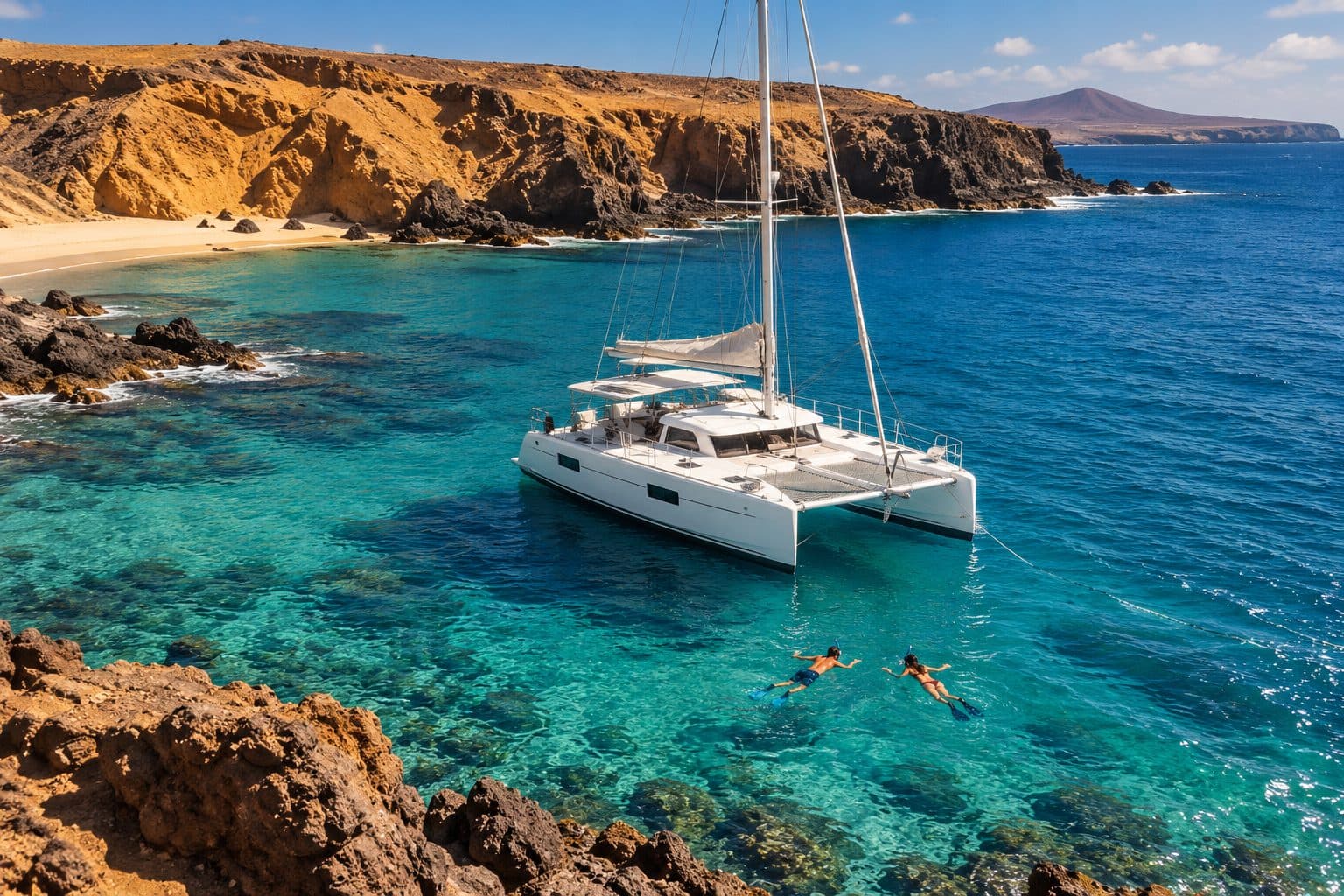
Boat hire & boat trips in Lanzarote
Discover more →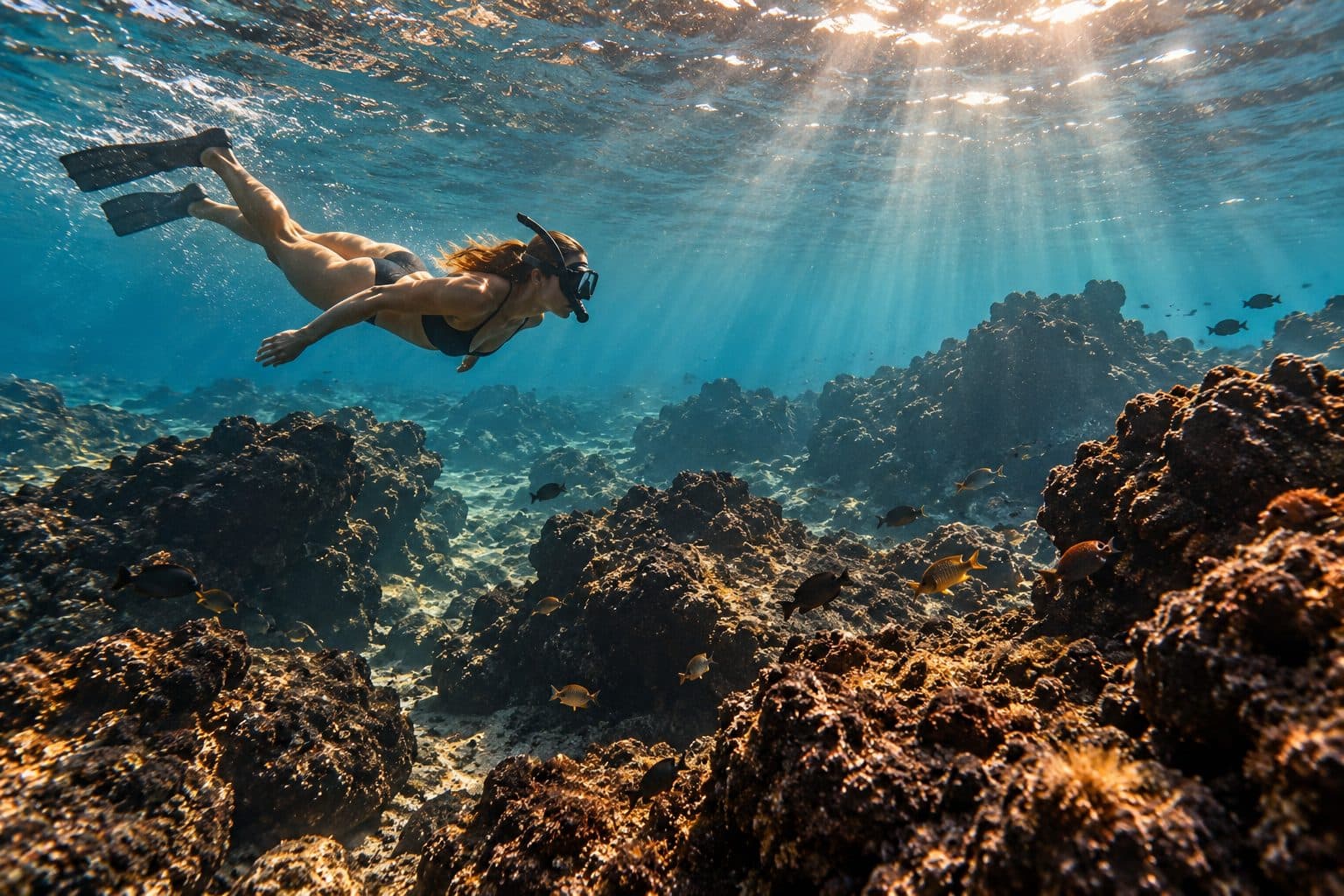
Snorkeling & diving in Lanzarote
Discover more →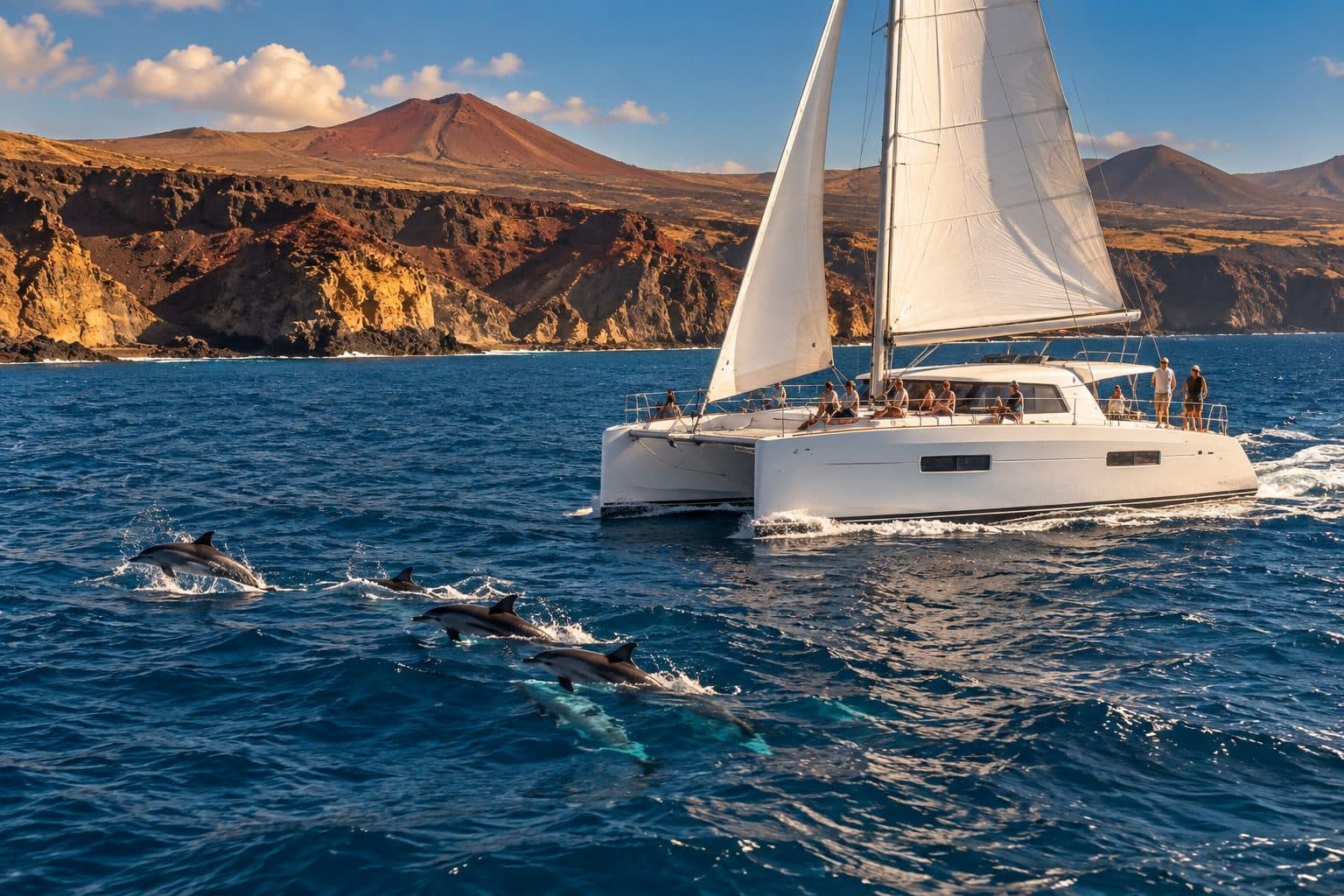
Catamaran trips in Lanzarote
Discover more →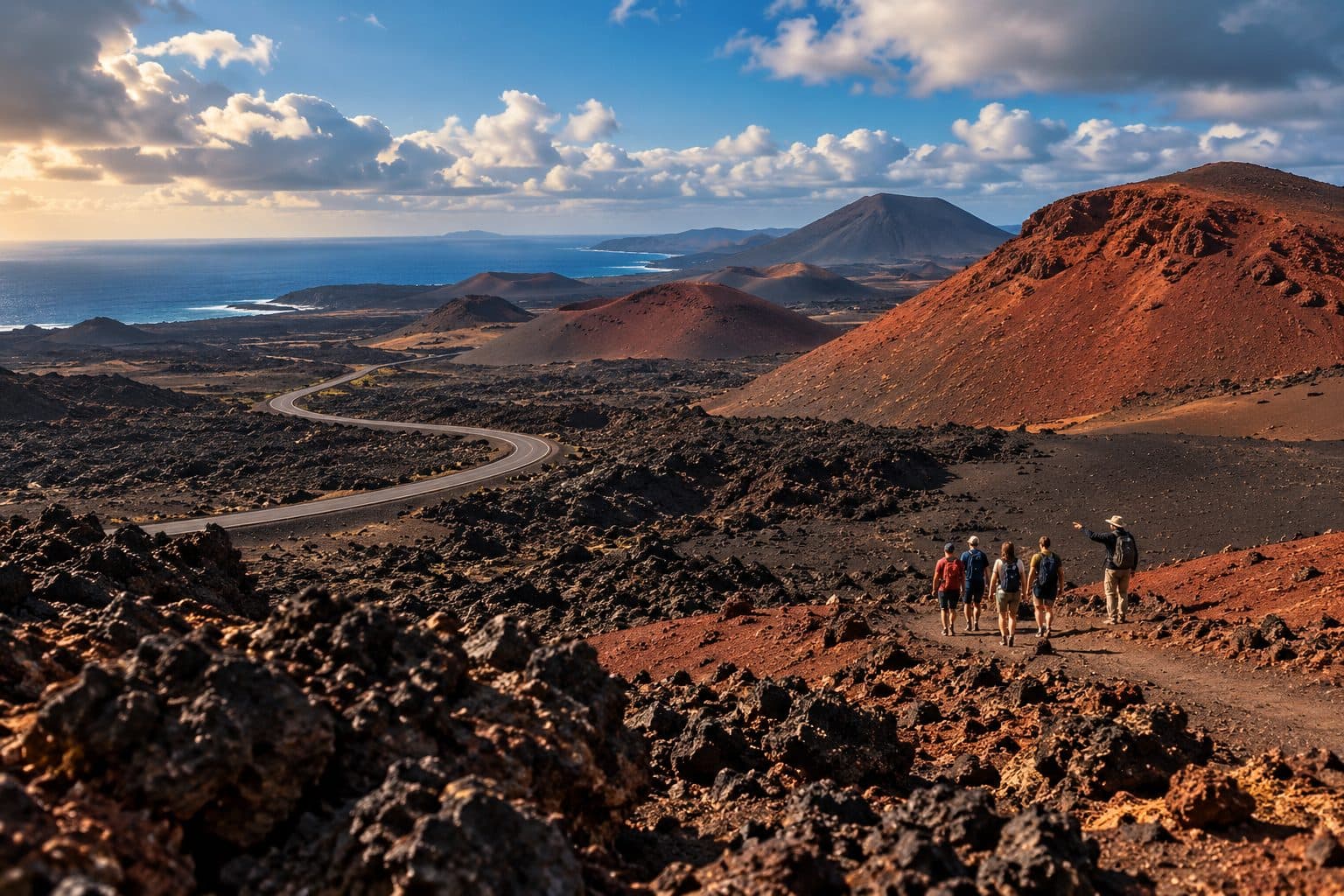
The best excursions in Lanzarote
Discover more →Punta Mujeres: The Fishing Village of Natural Pools
Discover more →San Ginés Festival: Arrecife's Biggest Summer Party
Discover more →Lanzarote Food Guide: Eating Like a Local on a Volcanic Island
Discover more →Puerto del Rosario City Guide: The Real Capital of Fuerteventura
Discover more →Costa Teguise City Guide: Beaches, Wind and the Pueblo Marinero
Discover more →Playa Blanca City Guide: Lanzarote's Sunny Southern Harbour
Discover more →Yaiza and El Golfo: Lanzarote's Green Lagoon and Prettiest Village
Discover more →Puerto del Carmen Neighbourhoods: Centro, Los Pocillos and Matagorda
Discover more →Day Trip from Lanzarote to Corralejo, Fuerteventura
Discover more →Las Palmas de Gran Canaria and the Canary Islands Region
Discover more →Famara and Caleta de Famara: the Wild Side of Lanzarote
Discover more →Arrecife City Guide: the Capital of Lanzarote Beyond the Guidebooks
Discover more →Lanzarote in Autumn: Weather, Beaches and the Best Things to Do
Discover more →Teguise City Guide: the Old Capital and the Sunday Market
Discover more →La Graciosa: How to Visit the Eighth Canary Island
Discover more →Haría and the North of Lanzarote: Valleys, Cliffs and Palm Groves
Discover more →Tinajo and the Volcanic North of Lanzarote
Discover more →Lanzarote in Winter: Weather, Festivals and the Best Things to Do
Discover more →San Bartolomé City Guide: The Agricultural Heart of Lanzarote
Discover more →Lanzarote in Spring: Weather, Beaches and the Best Things to Do
Discover more →Órzola and the Far North: the Fishing Village at the End of the Road
Discover more →Lanzarote in Summer: Long Days, Warm Sea and the Island at Its Best
Discover more →Puerto Calero City Guide: The Marina and the Quiet Side of Lanzarote
Discover more →Maspalomas City Guide: The Dunes and the Sunny South of Gran Canaria
Discover more →Christmas and New Year in Lanzarote: Winter Sun, Fiestas and Local Traditions
Discover more →Betancuria and the Heart of Fuerteventura: the White Town in the Green Valley
Discover more →La Geria and the Volcanic Vineyards of Lanzarote
Discover more →Ironman Lanzarote 2027: the Race, the Route and Race Week
Discover more →Timanfaya National Park: How to Visit the Fire Mountains of Lanzarote
Discover more →The César Manrique Route: The Man Who Built Modern Lanzarote
Discover more →Hiking in Lanzarote: The Best Walks on a Volcanic Island
Discover more →Papagayo Beaches: The Wild Southern Coves of Lanzarote
Discover more →Sea Safety in Lanzarote: How to Read the Water Like a Local
Discover more →Lanzarote Markets: The Complete Weekly Market Guide
Discover more →Carnival in Lanzarote: The Wildest Week on the Island
Discover more →Easter in Lanzarote: Semana Santa and Spring on the Island
Discover more →Day Trip to Jandía and Morro Jable from Lanzarote
Discover more →Romería de los Dolores: Lanzarote's Biggest Pilgrimage
Discover more →El Cotillo and the Wild North-West Coast of Fuerteventura
Discover more →Stargazing in Lanzarote: Dark Skies Over the Volcanoes
Discover more →La Santa: the Surf Village on Lanzarote's Wild West Coast
Discover more →Playa Honda and Matagorda: The Quiet Coast Next to the Airport
Discover more →Fiestas del Carmen: Lanzarote Honours the Sea
Discover more →Tías and the Inland Villages of Southern Lanzarote
Discover more →Guatiza and the Cactus Garden: The Green Jewel of Lanzarote
Discover more →Isla de Lobos: Day Trip to the Secret Island near Lanzarote
Discover more →Isla de Lobos: Day Trip to the Secret Island near Lanzarote: related services and areas of Lanzarote

Meet Zack — your adventurous guide in Lanzarote
Founder · adventurer at heart
Elegant on the outside, adventurer at heart. Zack is the one who shows up with a big smile and the perfect plan for your day. Fun, easy-going and always ready for one more adventure, he knows every corner of Lanzarote — and he tailors every experience to your needs. Tell him who you are travelling with and what you love: he takes care of the rest, with the best advice and a joke ready to go.
Your adventure starts with a smile. — Zack
Come and visit us at the shop!
You'll find Zack Bike Lanzarote in Puerto del Carmen — pass by for a coffee, honest advice and the right plan for your days on the island.
🏠 Calle Roque Nublo 10, Puerto del Carmen, Lanzarote, Spain