
Stargazing in Lanzarote: Dark Skies Over the Volcanoes
Everybody asks me what to do in Lanzarote after dark, and my answer is always the same: look up. Half an hour from the resort lights this little volcanic island turns into one of the best stargazing spots in Europe, and most people on holiday never see it. This is where I go when the sun goes down, what the sky does along the year, and how to plan a real night under the stars without freezing or falling asleep at the wheel.
⚡ Quick summary before you plan your days in Lanzarote
- What to know firstEverybody asks me what to do in Lanzarote after dark, and my answer is always the same: look up.
- Who it is forThere is no secret observatory behind this and no big science to it.
- Main optionsWhy Lanzarote is one of the best islands for stargazing · The best places to watch the stars · What you can see: the seasons of the night sky · How to plan your night like a local
- Duration, prices and detailsWhere is the best place to see the stars in Lanzarote? Peñas del Chache, the highest point of the island above Famara, is the classic answer and the one the official Canary Islands tourism guides recommend. For silence and space I prefer…
- How to bookBook on WhatsApp · +34 603 27 93 06


📷 Gallery
🧭 Zack's 3-click Lanzarote experience planner
💬 Send my plan to Zack on WhatsApp
Because a tour should feel like travelling with a friend: Zack designs the route around your rhythm, your curiosity and your camera roll — and changes it whenever you wish.
Why Lanzarote is one of the best islands for stargazing
There is no secret observatory behind this and no big science to it. Lanzarote is small, dry and swept by the trade winds, and the air that comes across the Atlantic is clean and transparent. Add a handful of towns, a lot of empty lava fields and very little industry, and the result is a sky that stays dark for kilometres in every direction. On a good night the stars go all the way down to the horizon and the Milky Way casts a faint shadow on the ground.
The other gift is the climate. Winter nights sit around fifteen degrees, the rain is rare, and you can watch the sky in a t-shirt in February while half of Europe is under cloud. That is why I tell people to save one evening of their holiday for this. The beaches will still be there tomorrow; the sky only shows off like this on the nights you decide to stay up. And unlike a boat trip or a tour of the volcanoes, this one costs nothing at all: the ticket is a warm jacket, a full tank and somebody willing to drive.
A small island with very few lights
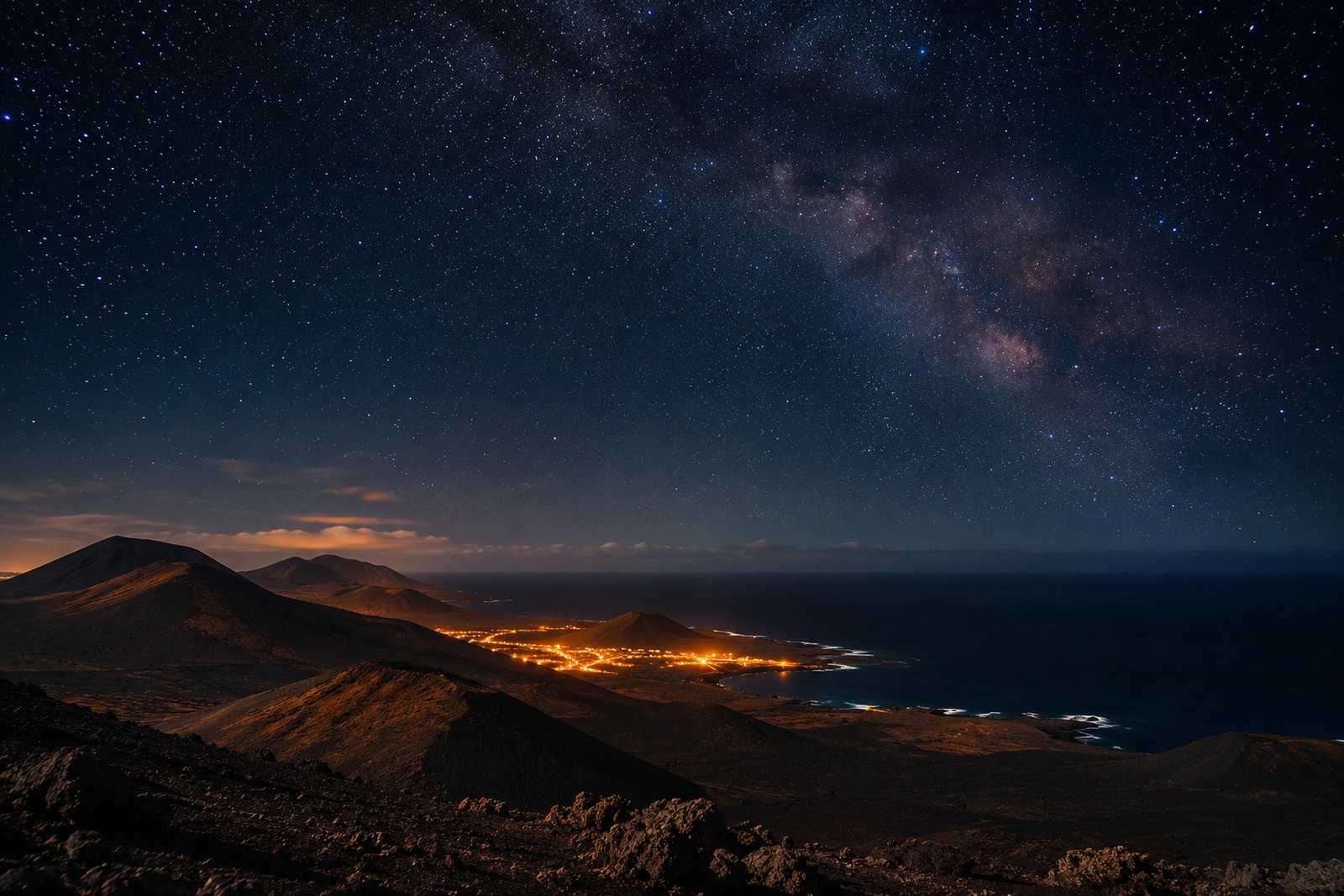
Light pollution is the enemy of every night sky, and Lanzarote is winning the fight almost by accident. The tourist strip is a thin line along the coast, and once you move inland or north the villages are small, the roads are dark and the street lighting is sparse. Drive fifteen minutes from Puerto del Carmen and you are already in proper darkness. On moonless nights I have stood in the middle of the road near Tinajo and seen my own shadow cast by starlight alone. That is the kind of dark this island still has.
The sky above the volcanoes
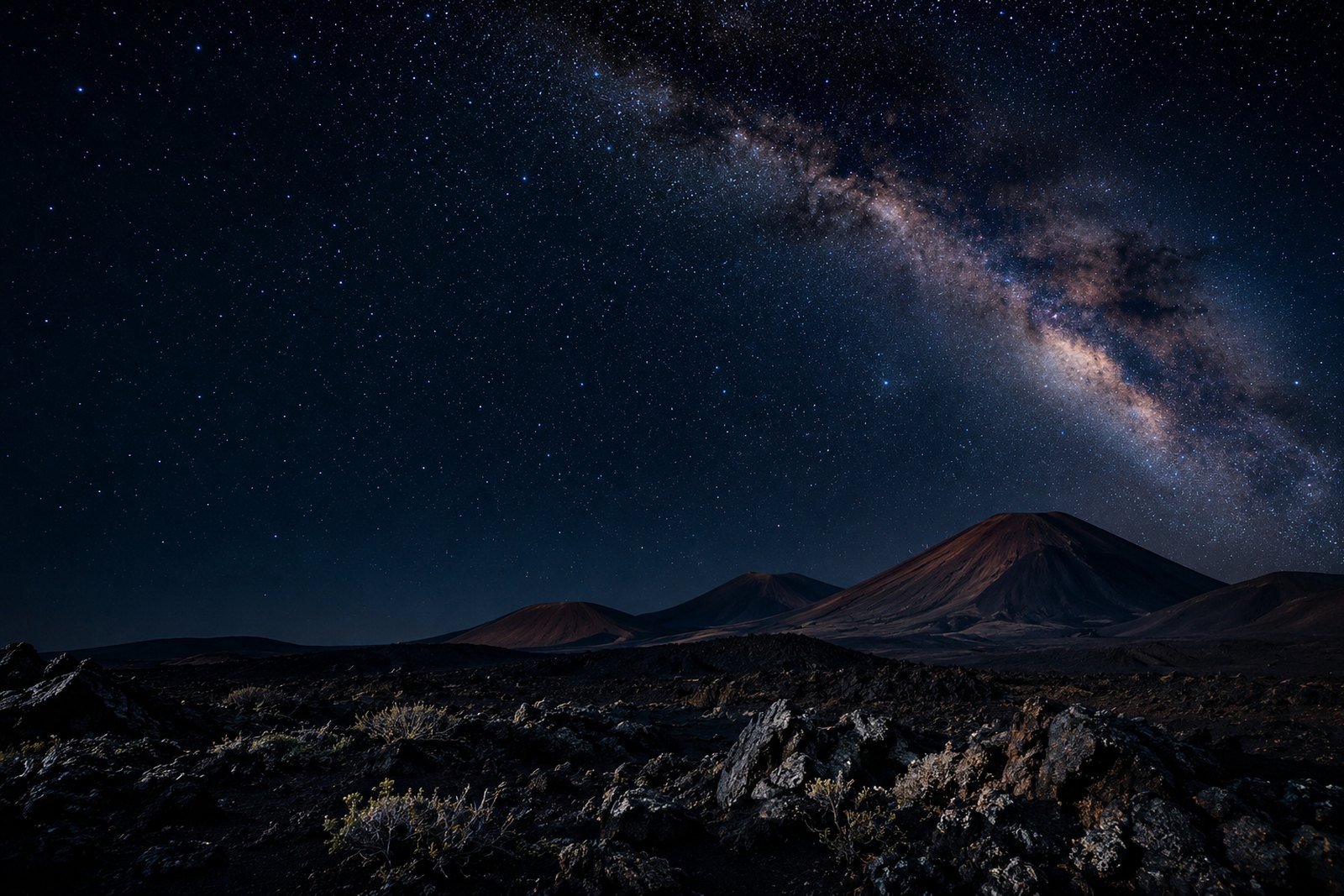
There is something about watching stars over a volcano that changes the whole experience. The black cones of Timanfaya and Los Volcanes cut a clean line against the glow of the Milky Way, and the lava fields in the foreground hold the last of the day's heat. I like to arrive while there is still a little colour in the west and stay until the whole dome of the sky is turning above the craters. Lanzarote does not hold a starlight certificate like Fuerteventura next door, but standing there you will not miss it for a second.
The best places to watch the stars
Where you stand matters more than what you bring. The resorts are bright, so the plan is always the same: get away from the coast, get away from the sodium glow of the main road, and give your eyes twenty minutes without a phone screen. The good news is that nothing on this island is far. In three quarters of an hour you can be standing in the middle of absolute darkness with the whole sky open above you. I have my favourite corners, and they are all below.
A car is the key to all of this, because the best spots sit down quiet roads where no bus runs at ten at night. If you have not sorted one yet, my car hire in Lanzarote is the easy answer, and I will mark the good roads on the map when you pick it up. Fill the tank in the afternoon and check the tyres, because there is no petrol station open in the middle of the volcanoes. My excursions in Lanzarote cover the island by day, so the nights stay free for this.
Two small things about the etiquette of darkness. Park where you do not block a gate or a farm track, keep the noise down near the villages, and never leave anything behind: the people who live out there are the reason these places are still dark. And keep an eye on the wind. A calm night on the coast can be a proper gale up at Famara, and there is always another corner of the island where the air is still.
Peñas del Chache and the Famara cliffs
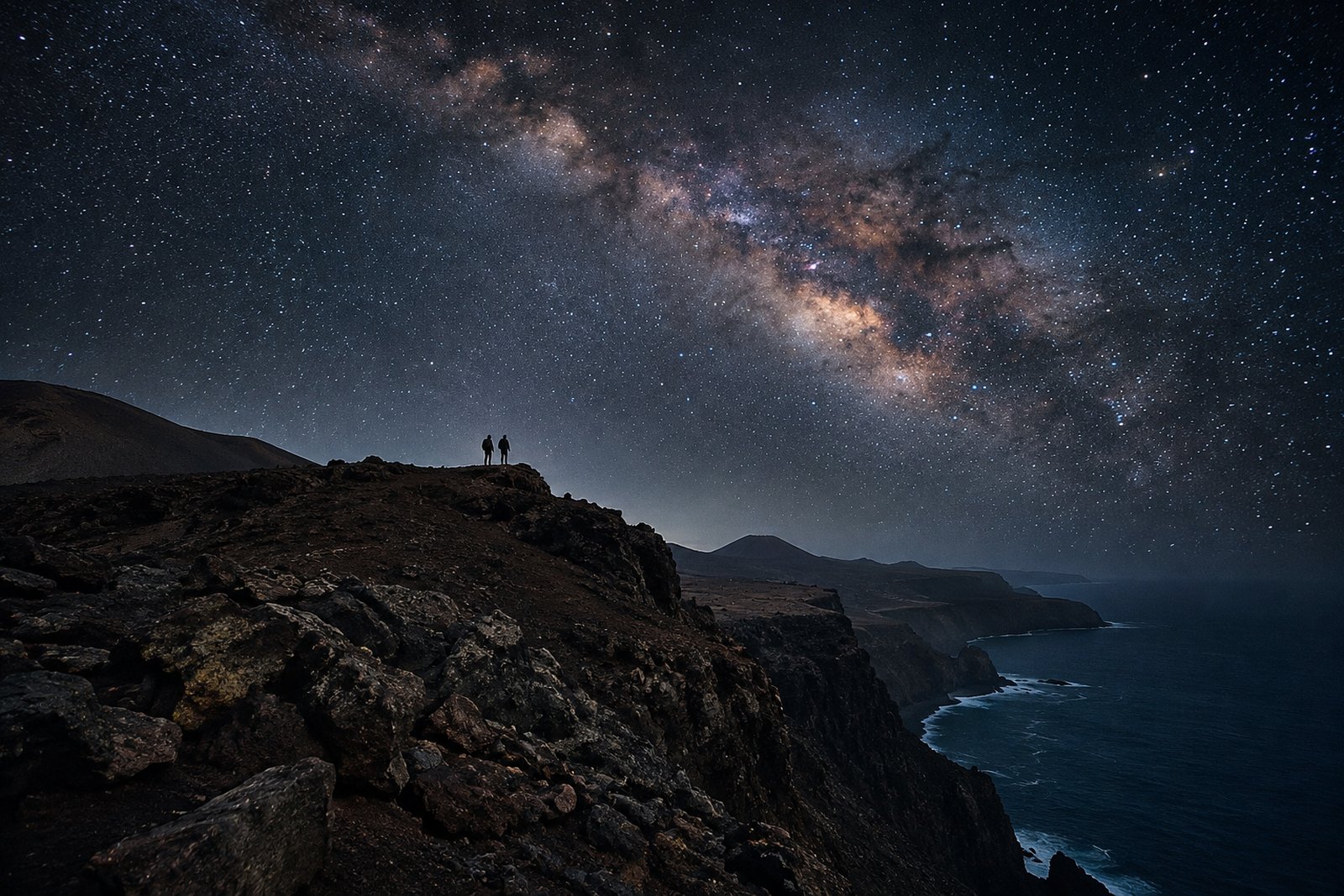
If you only do one night, do it here. Peñas del Chache is the highest point of the island, at 671 metres above the Famara massif, and the official Canary Islands tourism guides list it among the great stargazing viewpoints of the archipelago. The road up is narrow and the wind can be brutal, so go slow and park considerately, but the reward is a 360-degree sky with the Atlantic far below and the island lights behind you. Famara and the cliffs beneath it are the wildest corner of the north.
The dark south: Tinajo, La Geria and Los Volcanes
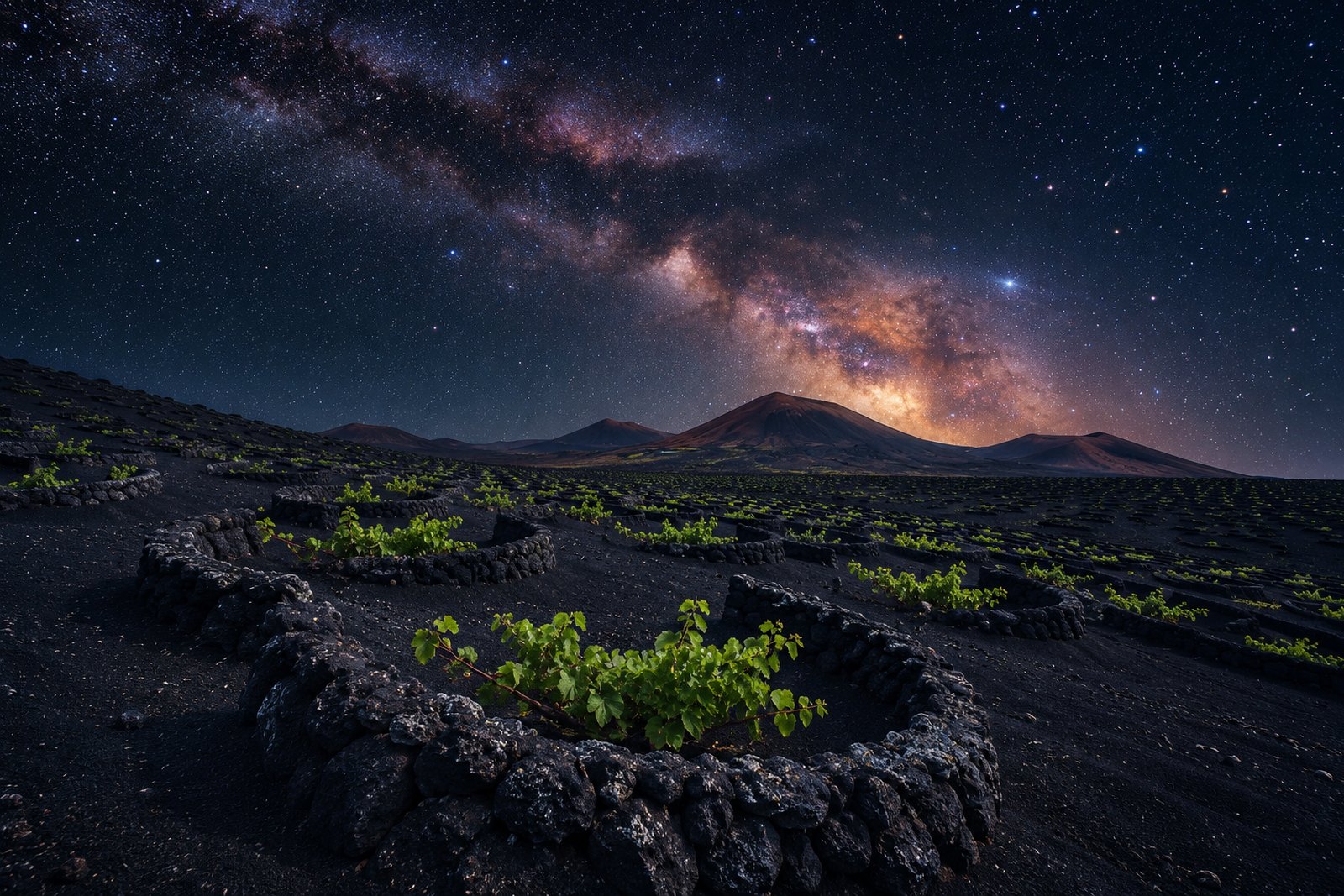
The south is my personal favourite for one reason: silence. Around Tinajo and Mancha Blanca the roads thread between cones and lava flows, the vineyards of La Geria sit in their little black half-moons, and there is nothing above you but sky. Park legally on a wide shoulder, well away from the entrance of the national park, and switch everything off. On a moonless summer night the core of the Milky Way rises over the fire mountains, and the show is so bright it takes a while to believe it is real.
Stars over the ocean: watching from the coast
You do not always need to drive inland. The harbour wall at Puerto del Carmen, the pier at Órzola and the dark stretches south of Matagorda all give you the open Atlantic in front and the stars above, with the bonus of the sound of the water. A sunset boat trip in Lanzarote is the perfect prologue: you get the last light from the water, you are back on land before full dark, and then you simply stay outside while the sky switches on. It is the cheapest double bill on the island.
What you can see: the seasons of the night sky
The sky is not the same sky all year, and half the trick of a good stargazing night is picking the right week. The two things that matter are the moon and the season. A full moon washes out everything except the brightest stars, while a new moon gives you the deep, dusty river of the Milky Way. The seasons decide which corner of the galaxy you are looking at, and what else is passing through. Below is the honest calendar, the one I use with friends who ask me when to come.
Spring and autumn are the quiet heroes. The nights are mild, the sky goes dark early enough that you do not have to ruin your sleep, and the big constellations change hands between the seasons. Winter brings the Orion crowd and long, crisp nights, while summer is warm enough to lie on the ground for hours without shivering. Whenever you come, check a moon calendar before you book anything: it is the single most useful page on the internet for this kind of holiday. Give me your dates and I will tell you what the sky is doing that week.
You do not need any equipment to enjoy this. The naked eye sees the most important things — the big structures of the night, the meteors, the satellites, the slow wheel of the constellations — and binoculars are the only upgrade I really recommend. What you do need is darkness and patience. The sky reveals itself in layers: first the bright names, then the faint wash of the galaxy, and finally the deep texture that takes half an hour to fully arrive.
The Milky Way season
From roughly April to October the bright core of our galaxy rises over the southern horizon, and on a moonless Lanzarote night it is unmistakable: a pale, dusty band full of dark lanes, arcing from one side of the sky to the other. In the summer months the constellations of Scorpius and Sagittarius sit right in the thick of it, and they are the signposts for finding the densest part. Give your eyes twenty dark minutes and the structure starts to appear: knots of light, black rivers of dust, and the sense of something genuinely enormous.
The Perseids and other meteor showers
Around the twelfth and thirteenth of August the sky puts on its most famous show of the year: the Perseids, the tears of San Lorenzo as the islanders call them. Dozens of shooting stars an hour cross the sky from the constellation of Perseus, and the August warmth makes Lanzarote one of the best places in Europe to watch them. The Geminids in mid-December are just as good and far colder, and in between there are smaller showers and the simple, underrated pleasure of the occasional stray meteor on any dark night.
How to plan your night like a local
The plan is simple and it works every time. Eat early, check the moon, leave the resort about forty minutes after sunset and drive somewhere dark. Then the hard part: do nothing. No phone, no torch, no headlights. Your eyes need about twenty minutes to open fully, and every glance at a screen resets the clock. When the sky finally comes in properly, people go quiet. That silence is as much the experience as the stars. I have seen hardened adventurers stand on a lava field with their mouths open, useless for a full minute.
Getting home needs a bit of respect. The roads are dark, rabbits and goats cross without warning and the mountain lanes have no barriers, so drive slowly and let the passenger watch the verge. Then comes the best part of the ritual: a warm drink at the end of the road, a blanket on the bonnet of the car and one last look before bed. If you want a hand with the route, the timing or anything else on the island, pass by the shop — Zack Bike Lanzarote, Calle Roque Nublo 10 in Puerto del Carmen — or message me on WhatsApp at +34 603 27 93 06.
Moon phases, timing and the drive back
The moon is the boss of the night sky. Around the new moon you get the darkest conditions and the full Milky Way; near the full moon the landscape turns silver and the stars step back to the brightest names only. Both are beautiful, but if you are coming for the deep sky, plan for the dark half of the month. Leave late enough for full darkness, arrive early enough to settle, and always keep the drive home gentle: an hour of stargazing is not worth a scrape with a wall on a black road. Slow in, slow out, and the night stays perfect.
What to bring and how to stay warm
People always underestimate how cold a volcanic island gets after midnight. The heat leaves the lava fast, the trade wind picks up and fifteen degrees feels like five within the hour. Bring a real jacket, a hat, a blanket to sit on and a thermos of something hot. A red torch, or a phone with the screen dimmed right down, saves your night vision, and a folding chair beats lying on sharp picón every time. Binoculars turn a good sky into a great one, and hot coffee turns a cold hour into the best memory of the holiday.
You might also be interested in: Car hire in Lanzarote · The best excursions in Lanzarote · Boat hire & boat trips in Lanzarote · Catamaran trips in Lanzarote · Rentals & adventures in Famara · Volcano tours & rentals in Tinajo · Lanzarote for families · Lanzarote for couples
Every adventure with Zack follows the same promise: no stress, no surprises, just the right experience at the right moment. Before you even arrive, he is already thinking about the wind, the light, the perfect hour and the little details that turn a holiday into a story you will tell for years. Stargazing in Lanzarote: Dark Skies Over the Volcanoes is not just a booking: it is the beginning of your Lanzarote story.
How it works: from the first message to your best memory
1. Choose your adventure
Scroll through this page and feel what fits you: Stargazing in Lanzarote: Dark Skies Over the Volcanoes, or maybe something different? Every traveller is unique, and Zack knows it. Look at the photos, read the tips, and if you are not sure, that is the best moment to write: telling him who you are and what you love is enough, and he will build the perfect day around it.
2. Book in one message
No forms, no call centres: one WhatsApp message and you are in. Zack replies with availability, the honest price and the plan for the day, including what to bring and when to start. The more days or people, the better the price — and if your plans change, you are talking to a real person who adapts.
3. Live the experience
This is where Lanzarote shows off. The island unfolds in colours you did not expect: black lava, red volcanoes, turquoise water and light that makes everything look like a film. With Stargazing in Lanzarote: Dark Skies Over the Volcanoes you enjoy it your way, with a local team watching over every detail so that your only job is to have the time of your life.
4. Back home, happy
The tan fades, the memories do not. You go home with a phone full of photos, a heart full of stories and that feeling of having discovered a place rather than just visited it. Friends will ask for your itinerary: that is when you know you chose the right adventures.
5. Tell the world
If Zack and his team made your holiday special, the best thank you is a review on Google Maps: sixty seconds that help other travellers find the same magic, and make a local team very proud. Share your story, your photos and your tips — and become part of the Zack Lanzarote family.
Frequently asked questions
Where is the best place to see the stars in Lanzarote?
Peñas del Chache, the highest point of the island above Famara, is the classic answer and the one the official Canary Islands tourism guides recommend. For silence and space I prefer the dark roads around Tinajo, La Geria and Los Volcanes in the south. Wherever you go, get away from the resort lights and give your eyes twenty minutes to adjust.
When is the best time for stargazing in Lanzarote?
Pick moonless nights: the week around the new moon is ideal all year round. The Milky Way season runs roughly from April to October, the Perseids peak around 12 and 13 August, and the Geminids arrive in mid-December. Winter nights are long and crisp, summer nights are warm. Check a moon calendar before you travel and you cannot go wrong.
Can you see the Milky Way from Lanzarote?
Yes, and on a moonless summer night it is spectacular. From about April to October the bright core of the galaxy rises over the southern horizon, with Scorpius and Sagittarius in the middle of the band. Give your eyes twenty dark minutes away from any light and the dust lanes become clearly visible, even without a telescope.
How do I plan a stargazing night in Lanzarote?
Get hold of a car for the dark roads, eat early, check the moon and head inland or north after sunset. Bring warm clothes and a hot drink, park legally and quietly, and drive home slowly. For the routes, the timing and everything else on the island, message me on WhatsApp at +34 603 27 93 06 or come by my shop, Zack Bike Lanzarote on Calle Roque Nublo 10 in Puerto del Carmen.
You may also like
Car hire in Lanzarote
Discover more →
The best excursions in Lanzarote
Discover more →
Boat hire & boat trips in Lanzarote
Discover more →
Catamaran trips in Lanzarote
Discover more →Punta Mujeres: The Fishing Village of Natural Pools
Discover more →San Ginés Festival: Arrecife's Biggest Summer Party
Discover more →Lanzarote Food Guide: Eating Like a Local on a Volcanic Island
Discover more →Puerto del Rosario City Guide: The Real Capital of Fuerteventura
Discover more →Costa Teguise City Guide: Beaches, Wind and the Pueblo Marinero
Discover more →Playa Blanca City Guide: Lanzarote's Sunny Southern Harbour
Discover more →Yaiza and El Golfo: Lanzarote's Green Lagoon and Prettiest Village
Discover more →Puerto del Carmen Neighbourhoods: Centro, Los Pocillos and Matagorda
Discover more →Day Trip from Lanzarote to Corralejo, Fuerteventura
Discover more →Las Palmas de Gran Canaria and the Canary Islands Region
Discover more →Famara and Caleta de Famara: the Wild Side of Lanzarote
Discover more →Arrecife City Guide: the Capital of Lanzarote Beyond the Guidebooks
Discover more →Lanzarote in Autumn: Weather, Beaches and the Best Things to Do
Discover more →Teguise City Guide: the Old Capital and the Sunday Market
Discover more →La Graciosa: How to Visit the Eighth Canary Island
Discover more →Haría and the North of Lanzarote: Valleys, Cliffs and Palm Groves
Discover more →Tinajo and the Volcanic North of Lanzarote
Discover more →Lanzarote in Winter: Weather, Festivals and the Best Things to Do
Discover more →San Bartolomé City Guide: The Agricultural Heart of Lanzarote
Discover more →Lanzarote in Spring: Weather, Beaches and the Best Things to Do
Discover more →Órzola and the Far North: the Fishing Village at the End of the Road
Discover more →Lanzarote in Summer: Long Days, Warm Sea and the Island at Its Best
Discover more →Puerto Calero City Guide: The Marina and the Quiet Side of Lanzarote
Discover more →Maspalomas City Guide: The Dunes and the Sunny South of Gran Canaria
Discover more →Christmas and New Year in Lanzarote: Winter Sun, Fiestas and Local Traditions
Discover more →Betancuria and the Heart of Fuerteventura: the White Town in the Green Valley
Discover more →La Geria and the Volcanic Vineyards of Lanzarote
Discover more →Ironman Lanzarote 2027: the Race, the Route and Race Week
Discover more →Timanfaya National Park: How to Visit the Fire Mountains of Lanzarote
Discover more →The César Manrique Route: The Man Who Built Modern Lanzarote
Discover more →Hiking in Lanzarote: The Best Walks on a Volcanic Island
Discover more →Papagayo Beaches: The Wild Southern Coves of Lanzarote
Discover more →Sea Safety in Lanzarote: How to Read the Water Like a Local
Discover more →Lanzarote Markets: The Complete Weekly Market Guide
Discover more →Carnival in Lanzarote: The Wildest Week on the Island
Discover more →Easter in Lanzarote: Semana Santa and Spring on the Island
Discover more →Day Trip to Jandía and Morro Jable from Lanzarote
Discover more →Romería de los Dolores: Lanzarote's Biggest Pilgrimage
Discover more →El Cotillo and the Wild North-West Coast of Fuerteventura
Discover more →Stargazing in Lanzarote: Dark Skies Over the Volcanoes
Discover more →La Santa: the Surf Village on Lanzarote's Wild West Coast
Discover more →Playa Honda and Matagorda: The Quiet Coast Next to the Airport
Discover more →Fiestas del Carmen: Lanzarote Honours the Sea
Discover more →Tías and the Inland Villages of Southern Lanzarote
Discover more →Guatiza and the Cactus Garden: The Green Jewel of Lanzarote
Discover more →Isla de Lobos: Day Trip to the Secret Island near Lanzarote
Discover more →Stargazing in Lanzarote: Dark Skies Over the Volcanoes: related services and areas of Lanzarote
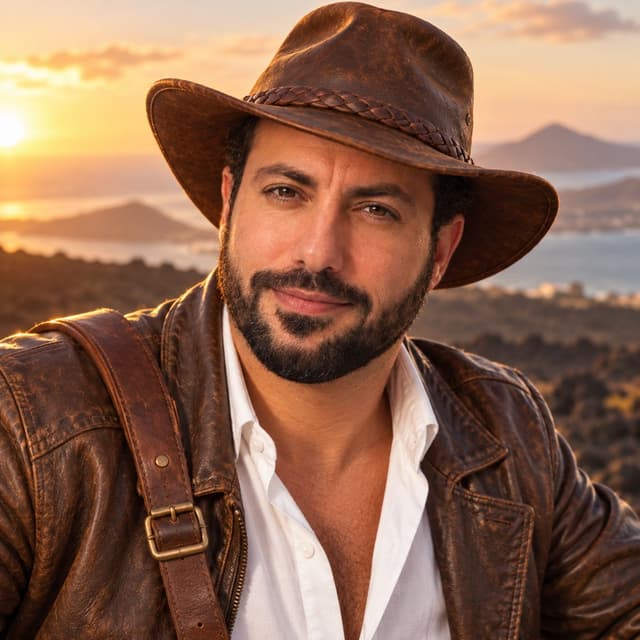
Meet Zack — your adventurous guide in Lanzarote
Founder · adventurer at heart
Elegant on the outside, adventurer at heart. Zack is the one who shows up with a big smile and the perfect plan for your day. Fun, easy-going and always ready for one more adventure, he knows every corner of Lanzarote — and he tailors every experience to your needs. Tell him who you are travelling with and what you love: he takes care of the rest, with the best advice and a joke ready to go.
Your adventure starts with a smile. — Zack
Come and visit us at the shop!
You'll find Zack Bike Lanzarote in Puerto del Carmen — pass by for a coffee, honest advice and the right plan for your days on the island.
🏠 Calle Roque Nublo 10, Puerto del Carmen, Lanzarote, Spain